Buying a home just got more expensive.
The 30-year fixed rate mortgage ticked up to 6.49% this week, according to Freddie Mac. After peaking at around 7.8% in late 2023, the primary mortgage rate had been drifting lower in recent years, in fits and starts. It dropped just below 6% in February of this year, the first time it was below that level since 2022.
Since then, the borrowing rate has been rising again. While the Federal Reserve sets very short-term interest rates, mortgage rates tend to follow the yield on the 10-year Treasury. That yield has been rising all year and jumped dramatically in July as ongoing fighting in the Persian Gulf threatens to send oil prices higher again, and inflation with them.
That's bad news for both homebuyers and homebuilders, as it makes homes even less affordable. Home prices hit an all-time high last month, up 1.8% in June from a year earlier, to a median price of $440,600.
As a result, the stocks of major homebuilders, including Lennar (LEN -6.73%), D.R. Horton (DHI -1.31%), PulteGroup (PHM -1.51%), and NVR (NVR -0.39%), are all down over the past week.

NYSE: LEN
Key Data Points
There's a huge shortage of available homes
The question for investors is: When will they get a break?
Probably not soon. The housing industry has struggled since the 2008 financial crisis, as not enough homes have been built over nearly two decades to meet demand. Late last year, Goldman Sachs estimated that at least 3 million to 4 million new homes need to be built, beyond normal construction, to address the housing supply shortage and boost affordability.
The industry has been in an even worse slump since 2022, when mortgage rates began to climb as the pandemic receded. For more than a decade before the pandemic, mortgage rates remained below 5%, and many homeowners were able to lock in low rates by refinancing their home loans. Now, many of those homeowners are more reluctant to move because they would have to take on greater interest expenses on new loans.
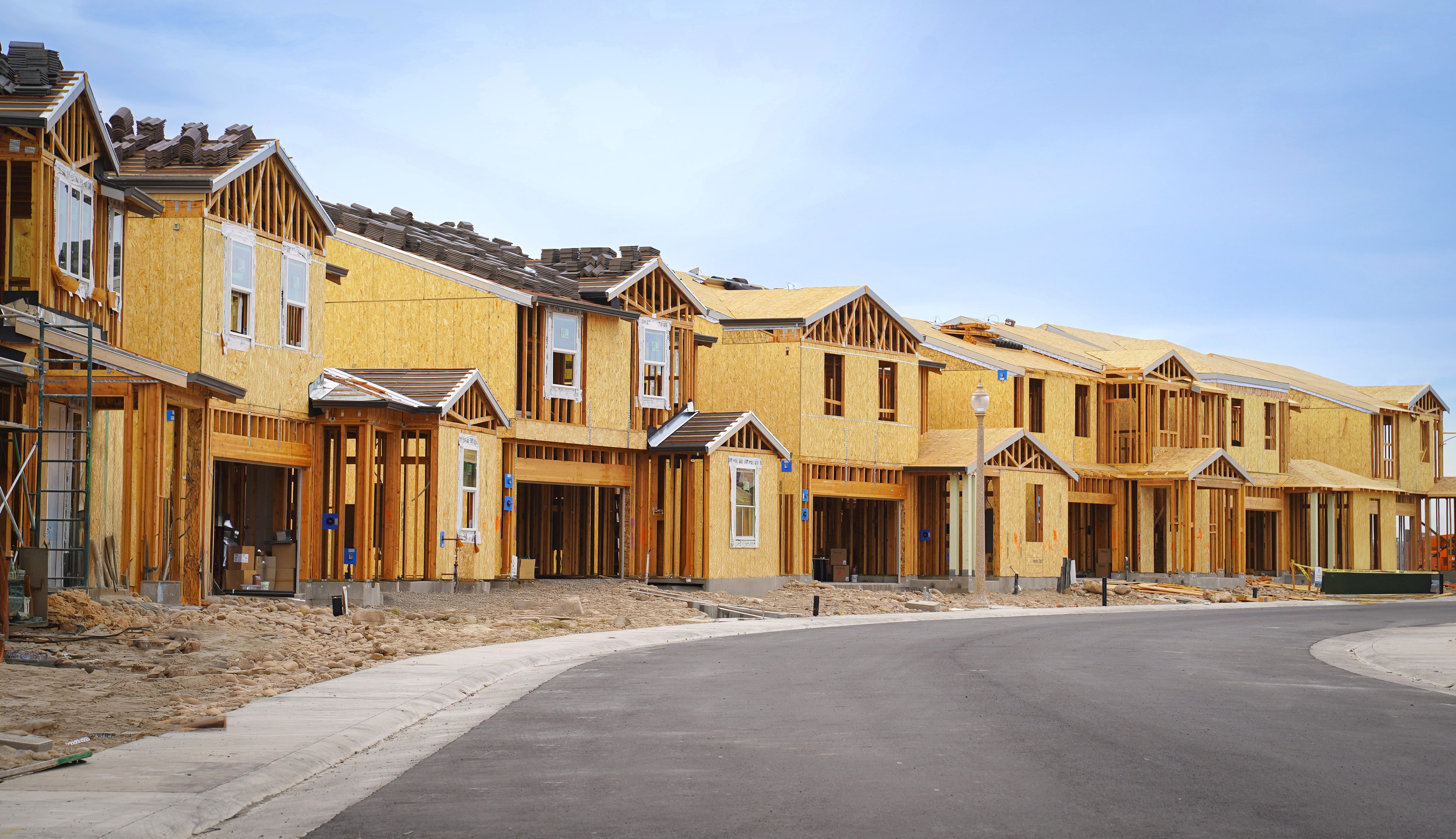
Image source: Getty Images.
Goldman Sachs says land-use restrictions are the biggest constraint on housing supply growth. Congress just passed bipartisan legislation that became law this week to make it easier to build houses. It includes several provisions to make more land available for homebuilding.
That will likely help the ailing housing industry, at least a bit. But until mortgage rates come back down -- which probably can't happen until the war in the Persian Gulf ends and inflation falls back to near the Federal Reserve's 2% target -- I don't see homebuyers or homebuilders getting much relief. Right now, investing in homebuilder stocks is very risky.