The Federal Reserve's benchmark rate has sat in a range of 3.5% to 3.75% since the December 2025 meeting. It's remained there for more than six months and, if indications from new chair Kevin Warsh come to pass, it's not going lower than that for the foreseeable future. The next meeting happens on July 29.
In recent testimony to the House Financial Services Committee, Warsh essentially said that inflation control was the FOMC's first priority right now: "The members of our committee have no tolerance for persistently elevated inflation, and we share a resolute commitment to ensure price stability."
That would seem to ensure that the Fed won't be cutting rates anytime soon and may choose to hike them before the year is done. As of July 17, the federal funds futures market puts the odds of a rate increase before year-end at roughly 80%.
Assuming rates do go up as currently forecasted, this would have a varied impact on bond ETFs.
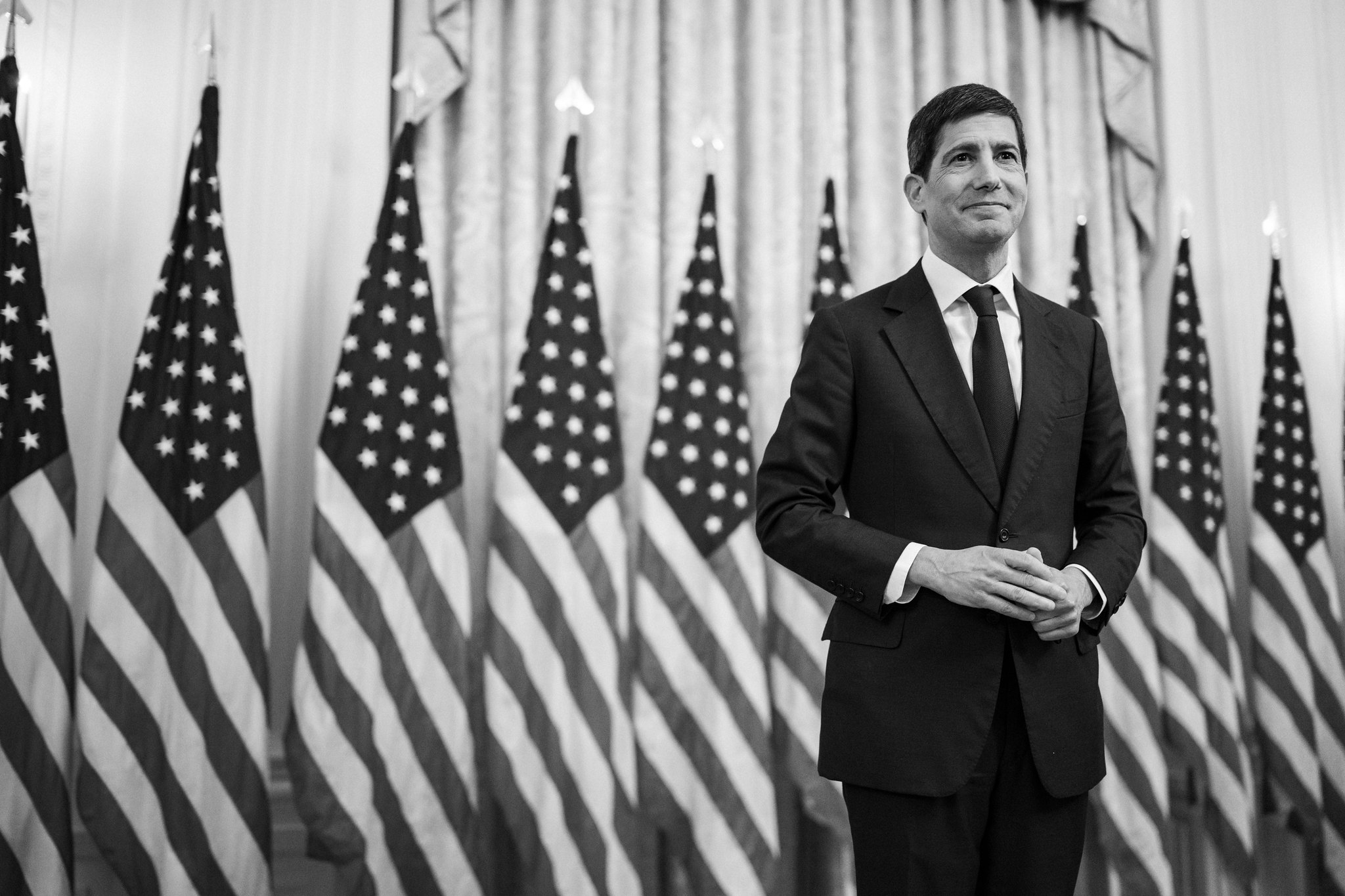
Image source: Official White House Photo by Daniel Torok.
Treasury bills would see higher yields
The yields on ultra-short-term Treasury bills follow almost in lock-step with Fed policy rates. If the Fed hikes rates, T-bill yields will very likely rise as well. Because they have almost no duration risk, Treasury bill ETF prices would see little, if any, change. For investors seeking absolute safety in a rising-rate environment, Treasury bills would be the way to go.
Corporate bond prices could feel some pressure
This is where the pain might be felt the most, since longer-term corporate bond ETFs face both interest rate risk and credit risk. Changes to the federal funds rate don't directly affect long-term interest rates, but there's likely to be at least some pressure across the bond market. Plus, the notion of higher borrowing costs for corporations might give the impression that some issuers' financial health is deteriorating. Those factors could send bond ETF prices lower, but there are a lot of factors at play.
Treasuries could rally in a flight to safety
The behavior of long-term Treasuries is likely to be more affected by economic conditions than by anything else. Treasury yields may rise alongside the federal funds rate, or they may rise due to higher inflation. But if economic conditions become challenging enough, it could have the reverse effect.
In tough economic times, we often see a "flight to safety" trade. People will buy government bonds because of their perceived safety in tough times. If the Fed raises rates but long-term Treasury yields fall, it's usually a signal that investors are getting nervous.
A portfolio leaning heavily on long-term Treasury or corporate bond ETFs will carry price risk if the Fed hikes interest rates later this year. Short-duration Treasury ETFs should see yields rise relatively quickly following a rate hike. Where one chooses to sit on the curve will depend heavily on risk tolerance and income needs.