Here's the setup heading into Wednesday's Fed meeting: Economists polled by FactSet expect the central bank to hold its benchmark rate steady at 3.5% to 3.75% for a fifth consecutive meeting.
The futures market isn't so sure. As of Tuesday, it puts the odds of a rate hike this week at around 30%.
Based on current evidence and commentary, anybody hoping for a rate cut at some point in 2026 is probably going to be disappointed. The focus instead has become when the first rate hike is coming. It could be as early as this week, although some market watchers don't see it.
The biggest reason for the lack of consensus is a lack of visibility into the Fed's thinking. New Federal Reserve Chair Kevin Warsh himself has told market watchers and lawmakers to expect less guidance going forward. He declined to provide his own economic projection that would have been included in the dot plot report. That makes this the most uncertain outcome to a Fed meeting in recent memory.
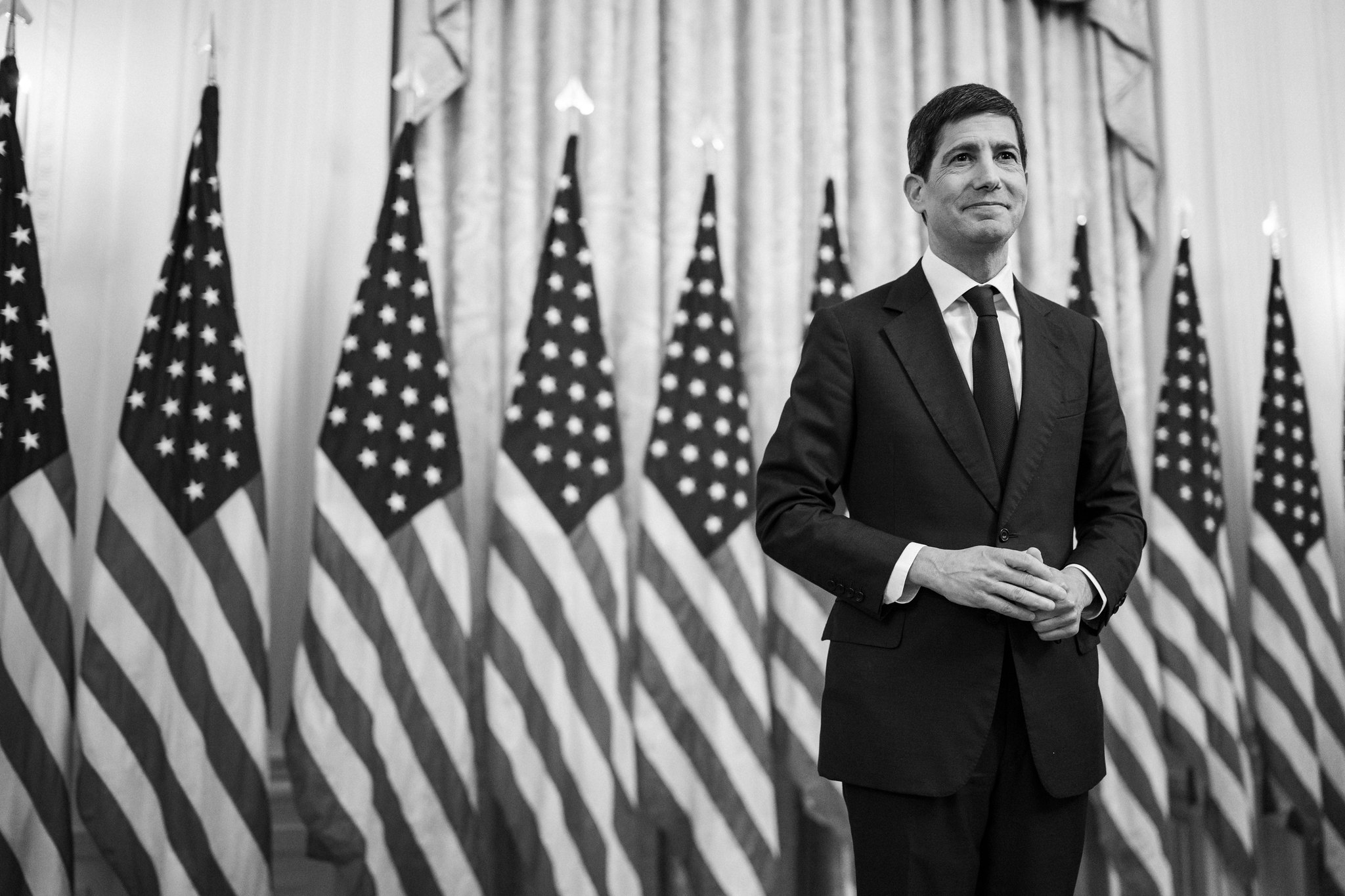
Federal Reserve Chair Kevin Warsh. Official White House Photo by Daniel Torok.
Inflation control is Warsh's top priority
In his recent testimony before Congress, Warsh made it clear that inflation is his current top priority. According to the latest dot plot, about half of committee voting members expect a hike before year-end. That suggests more of a hawkish lean by the FOMC currently, but there may not yet be enough support for a hike to occur at this meeting. Members may choose to wait for more clarity on oil prices and the inflation picture before pulling the trigger.
But whether the Fed decides to hike rates at this meeting, at a later meeting, or not at all, there's virtually no support for a rate cut right now or for the foreseeable future. Anybody holding a variable-rate loan, credit card debt, or hoping to get a mortgage at a lower rate is probably out of luck for a while. And those investing in the S&P 500 might need to adjust their expectations if they were hoping for a rate-driven tailwind.
Core inflation is still too high
For those who want to argue that falling oil prices due to a resolution in Iran could put a rate cut back on the table, it's possible. But keep in mind that the current core inflation rate in the United States, which strips out food and energy prices, is still at 2.6% annualized. And it hasn't been below 2.5% since 2021. That's still above the Fed's target.
Given Warsh's near singular focus on inflation, it seems unlikely he'll push for lower rates until that number at least gets closer to 2%.
The safer assumption at this point is that today's rates stick around for a while and the next move by the Fed is higher, not lower.