Chevron (CVX -0.20%) is an integrated energy company. That's important for investors to remember, since it not only produces oil and natural gas, but it also transports the vital fuels and processes them. The power of the integrated business model was on full display in July, when Chevron reached an accord with Iraq on major energy investments in the country. Here's why it could change both Chevron and the energy sector as a whole.
What does Chevron do?
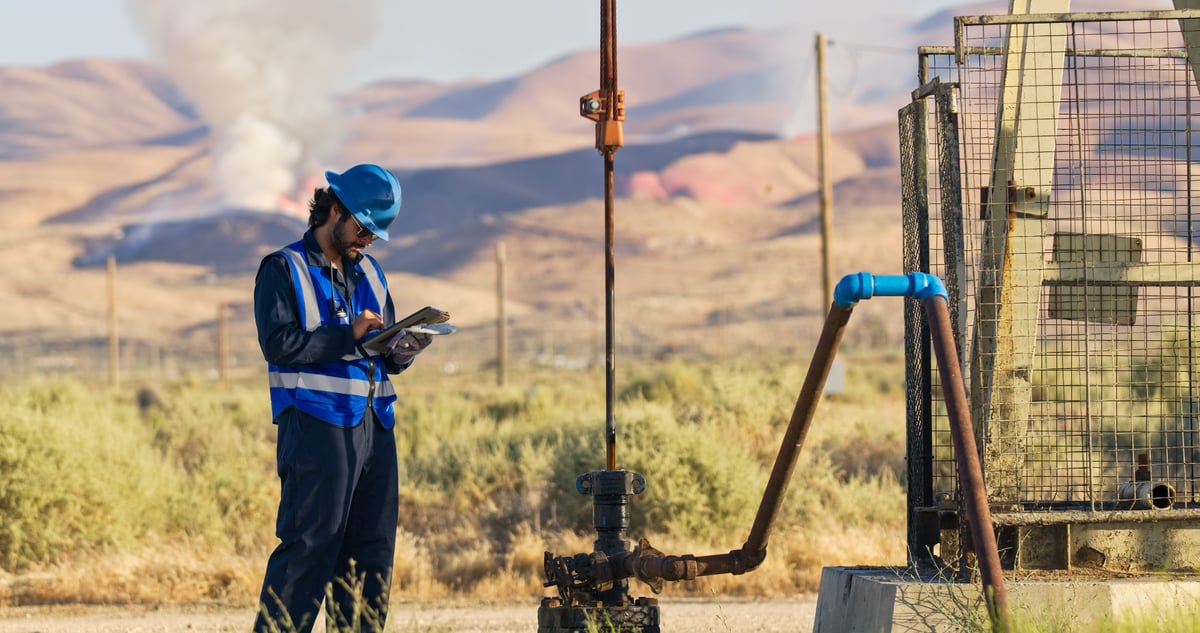
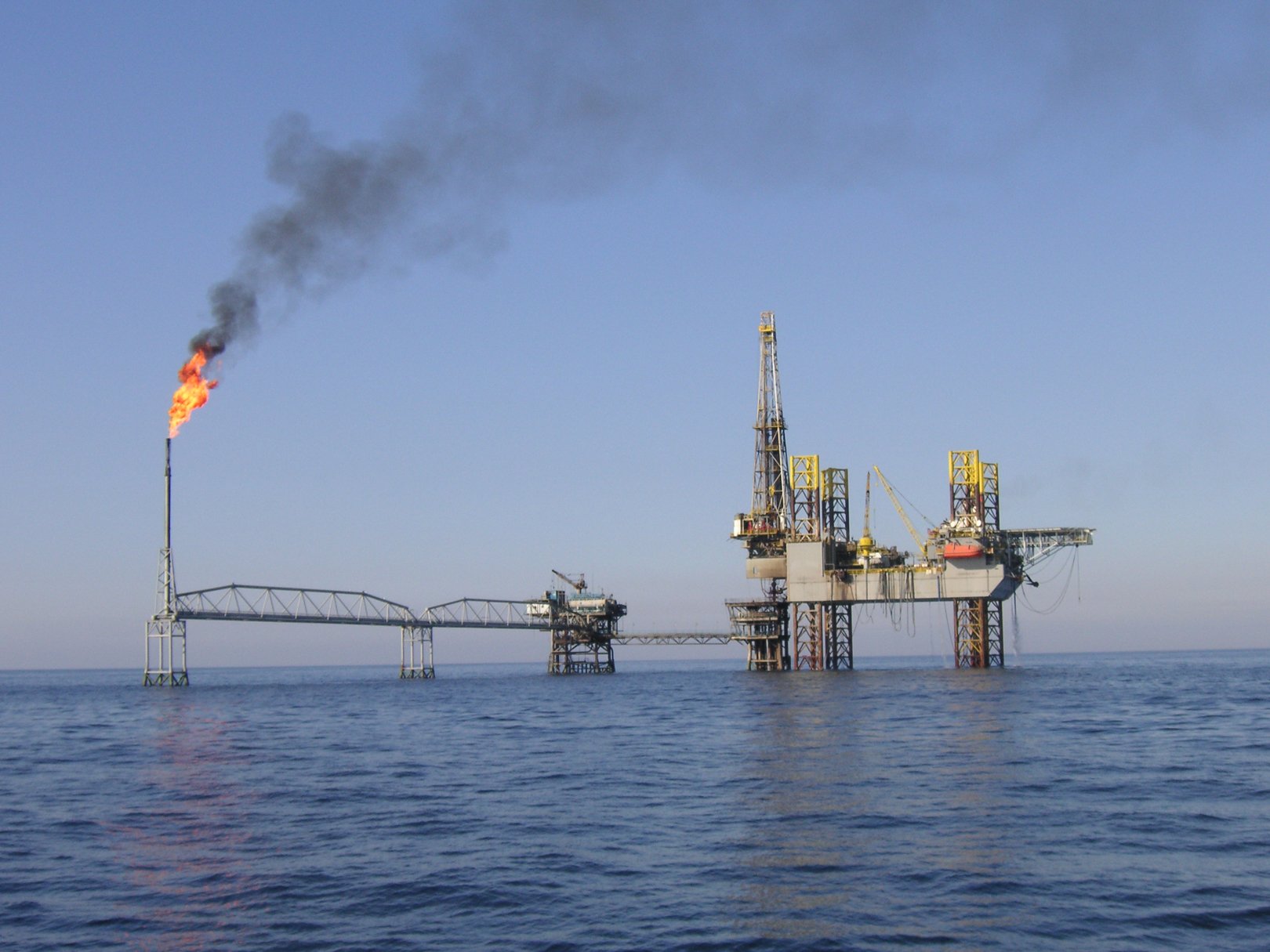
Chevron is one of the world's largest energy companies. It has a globally diversified portfolio of energy assets, ranging from the upstream (production) all the way to downstream (chemicals and refining). One big benefit of this model is that Chevron can invest its capital where it believes it will produce the most economic benefit. That's not just a statement about production; it also involves investments in the midstream (pipeline) and downstream segments of its business.
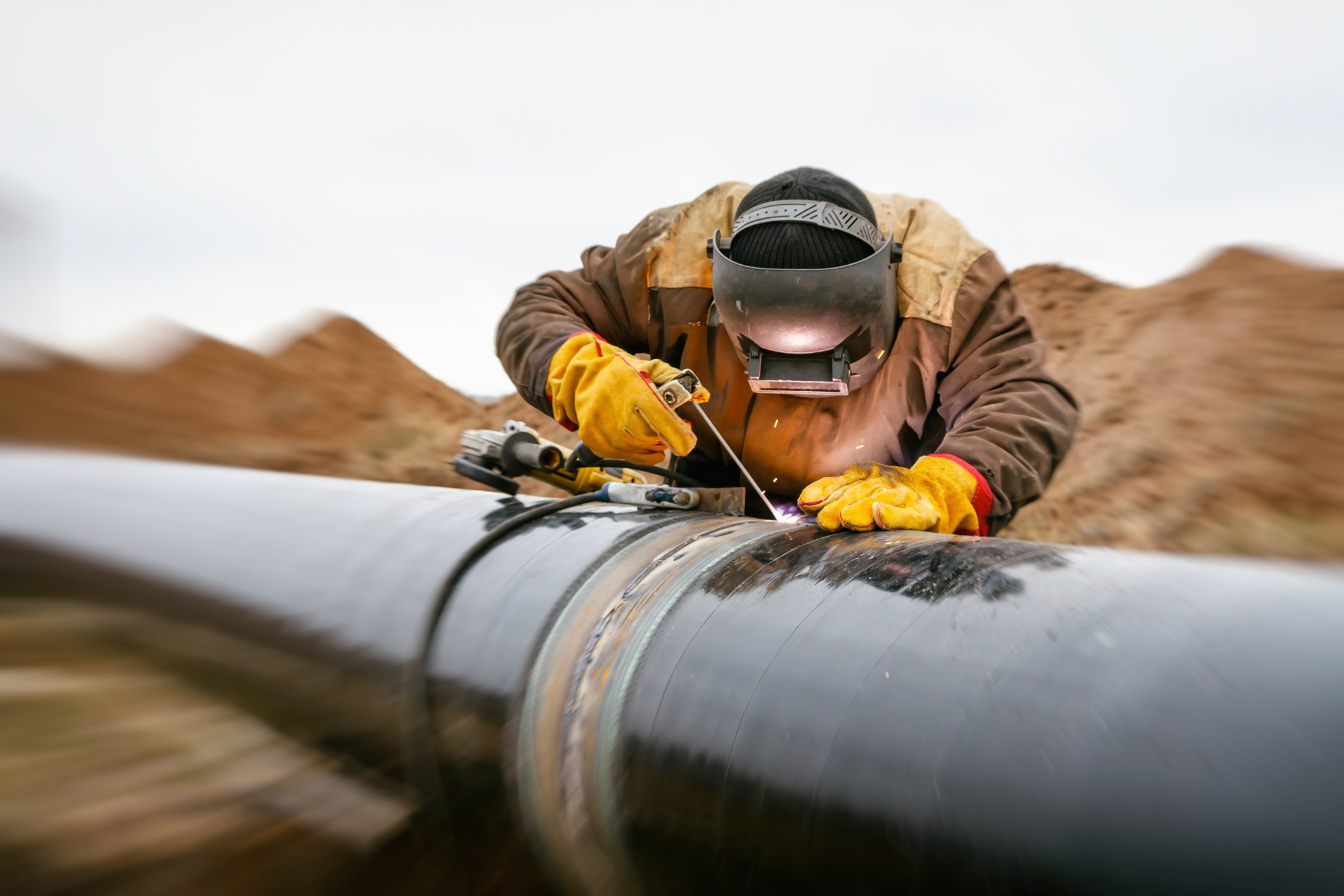
Image source: Getty Images.
On the production front, Chevron reached an accord with Iraq in July about making investments in two of the country's oil fields. That's a big deal because it supports Chevron's production. Since oil is a depleting asset, the company is always on the lookout for new production to replace older fields where production is declining.
That alone isn't enough to reshape Chevron's business or change much about the broader energy industry. The big piece is that the accord highlights the importance of Chevron joining a consortium to build a pipeline that will allow Iraq's oil to bypass the Strait of Hormuz. The pipeline would run through Syria, reaching all the way to the Mediterranean coast.

NYSE: CVX
Key Data Points
This could be the game changer, given that the big problem arising from the geopolitical conflict in the Middle East is the effective closure of the Strait of Hormuz. If energy companies find a way around that problem, energy security will improve materially. It will also make investing in the Middle East's energy industry far more attractive for companies like Chevron. Simply put, the investments Chevron is discussing making in Iraq will work out better if the pipeline is built. And that could lead to even more investment in the future.
It takes time to develop big energy projects
There's a caveat here. Chevron's accord isn't a binding agreement. It still has to ink a final investment deal. And even then, it takes time to get energy fields up and running, and to build massive oil pipelines. This isn't a decision that moves the needle right now. But it could help to reshape Chevron and the entire oil industry over the next decade. For investors who think long term, you'll want to pay close attention to Chevron's moves in Iraq today.