Intuitive Surgical (ISRG +1.42%) can be hard to own because the stock is prone to deep drawdowns. It is in a drawdown right now, with the stock down roughly 40% from its early 2025 high. Even after that drop, the price-to-earnings ratio remains lofty at 42x. This is not a stock for the faint of heart.
However, if you are a growth-oriented investor, you shouldn't give up on Intuitive Surgical. Historically, the stock has recovered from deep drawdowns and gone on to reach higher highs. There's a difference this time around due to increasing competition from medical device peers such as Medtronic (MDT +0.97%) and Johnson & Johnson (JNJ +0.20%). But that probably shouldn't stop more aggressive investors. Here's why.

Image source: Getty Images.
Intuitive Surgical isn't alone anymore
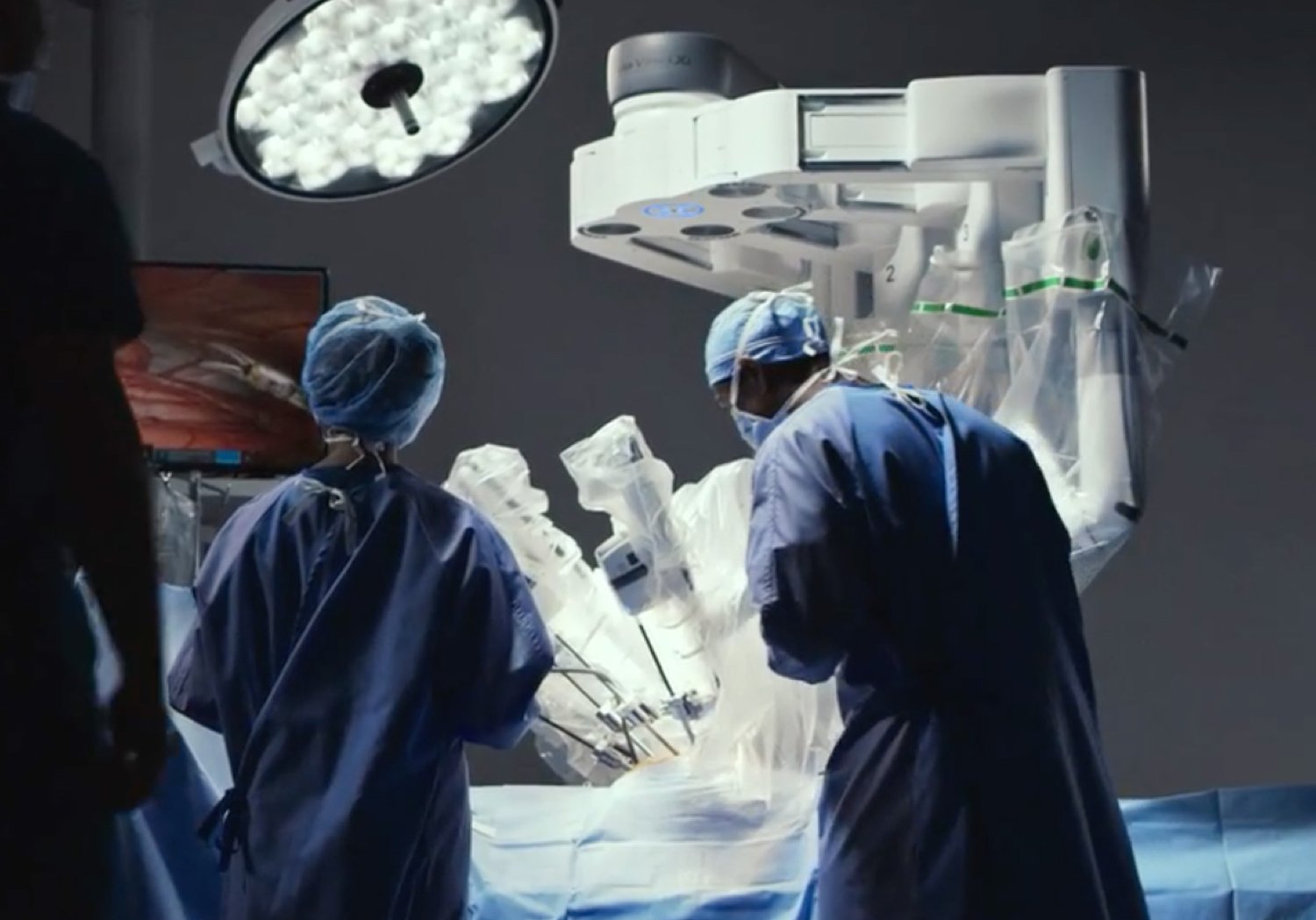
Intuitive Surgical was an early leader in the surgical robotics space. The company's da Vinci system basically helped create the industry niche. So, early on, the question was about medical providers being willing to adopt a new technology. Surgical robotics is now a far more mature and well-accepted technology, generally enabling less invasive surgeries with better outcomes.
In late 2025, Medtronic received approval for its Hugo surgical robotic system in the United States. In mid-2026, J&J received approval for its OTTAVA surgical robot system. Both Medtronic and J&J are well-established competitors with strong industry connections. There is no doubt that they will be fierce competitors to Intuitive Surgical.

NASDAQ: ISRG
Key Data Points
That said, surgical robotic systems don't receive blanket approvals. They are approved to perform select types of surgery. The competition is, in some ways, limited to specific niches for now until they get further approvals. So the immediate impact of the new competition on Intuitive Surgical's da Vinci sales probably won't be huge. Notably, in the second quarter of 2026, the company sold 468 systems, up from 395 in the same quarter of 2025.
Intuitive Surgical's real flywheel isn't selling robots
The total number of da Vinci systems in use worldwide is now 11,710. That's up 12% year over year. However, the number of surgeries performed with a da Vinci robot grew 16% year over year in the second quarter. That's important to note because it shows the demand for surgeries performed with a surgical robot. But it also highlights another key factor.
Intuitive Surgical generates only about 25% of its revenue from the sale of da Vinci systems. The other 75% comes from services (about 15% of sales) and Instruments and accessories (roughly 60%). It is important for the company to continue selling new da Vinci systems, but the real strength of the business lies in its parts and services business.

NYSE: JNJ
Key Data Points
The income from parts and services is annuity-like. The more da Vinci systems in place and the more they get used, the larger the company's recurring cash flow grows. And that money will keep rolling in so long as the da Vinci robots in place are being used. Intuitive Surgical's large lead over the competition gives it a strong business foundation that isn't going to go away. And that gives it the wherewithal to take on diversified healthcare giants like Medtronic and J&J as they enter the surgical robotics space.
There's room for more than one surgical robot
At the end of the day, the healthcare sector is very large. There is likely to be room for more than one surgical robot system. And given Intuitive Surgical's strong industry position and recurring income streams, it has an important head start. While the stock is probably most appropriate for more aggressive growth-oriented investors, it is worth noting that the lofty 42x P/E ratio is actually well below the five-year average of 68x. Which means, historically speaking, the stock looks cheap right now.