Ten years ago this week, Advanced Micro Devices (AMD +6.50%) closed at $6.73 a share. A $10,000 investment made that day would be worth about $724,000 as of this writing, with the stock near $487. That's a gain of more than 7,000%, or about 53% compounded annually for a decade. The same $10,000 in an S&P 500 index fund, with dividends reinvested, grew to about $42,000.
That is arguably one of the best 10-year runs any large company has ever delivered. What it took to earn it is the useful part.
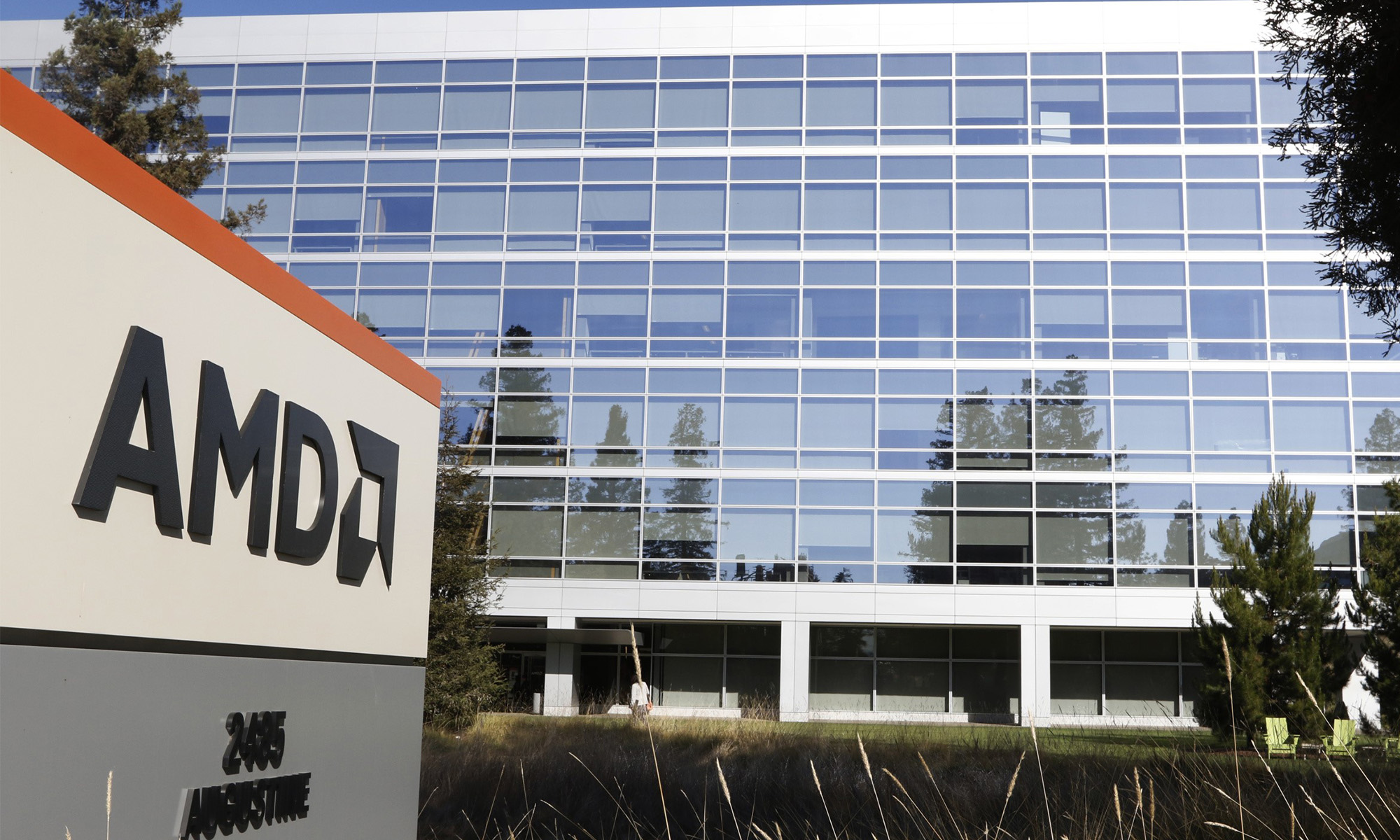
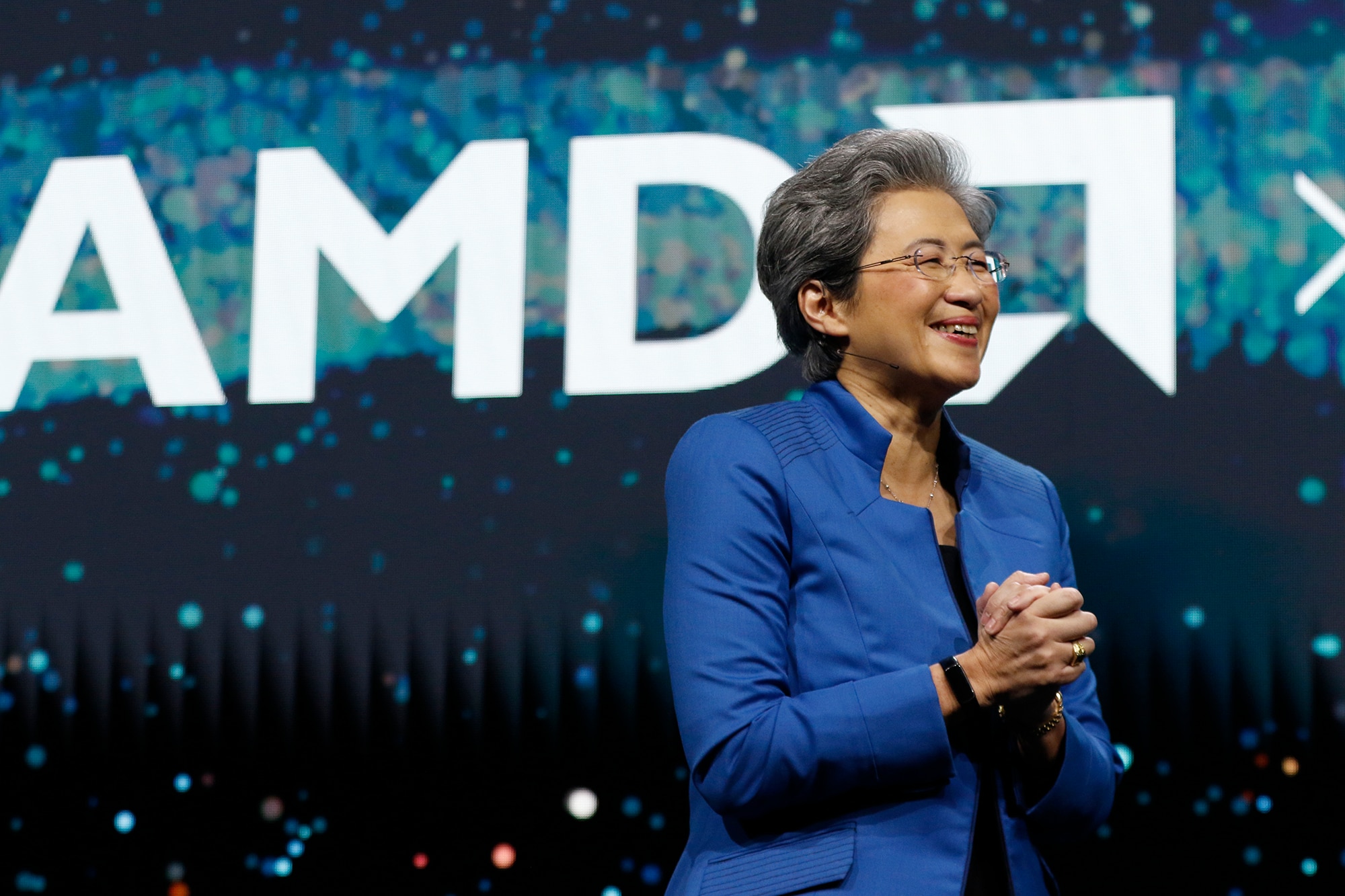
Image source: AMD.
From $4 billion to $41 billion
In August 2016, AMD was a struggling also-ran in processors. Revenue that year totaled $4.3 billion, the company was losing money, and the stock had traded below $2 within the previous 12 months.
Nearly everything about the business has changed since. Revenue reached $34.6 billion in 2025 and $41.3 billion over the past 12 months -- about 10 times the 2016 level, and still accelerating.
The company makes money now, too. Diluted earnings per share from continuing operations over the past 12 months came to $3.92, and in its most recent quarter, revenue rose 50% year over year to a record $11.5 billion.
The engine is its data center business. In the second quarter of 2026, AMD's data center revenue more than doubled year over year to $6.7 billion and made up 58% of company revenue.
So a tenfold revenue gain explains only part of a 72-fold stock gain. The rest came from the swing from losses to profits, and from the premium the market now pays for those profits. Shares trade at about 124 times earnings today.

NASDAQ: AMD
Key Data Points
Of course, the ride was anything but smooth. AMD entered 2022 above $150 a share and ended that year below $65, a 55% drop in a single calendar year. Anyone who held from 2016 sat through that stretch on the way to the full return -- though even from the 2022 low, shares have since climbed more than eight times.
The math at $800 billion
Repeating a 72-fold gain from AMD's current market value of nearly $800 billion would require the company to become worth about $58 trillion. The last decade's return came from a cheap, doubted company becoming an expensive, believed one. That trip only happens once.
AMD's business may be stronger than it has ever been, and demand for artificial intelligence (AI) computing is still expanding. But the next decade's return will have to come from earnings growth. At about 124 times earnings, shares already price in years of exceptional execution.