Dutch Bros (BROS -2.00%) has been remarkably consistent in a tough consumer spending environment, but its premium price tag creates volatility.
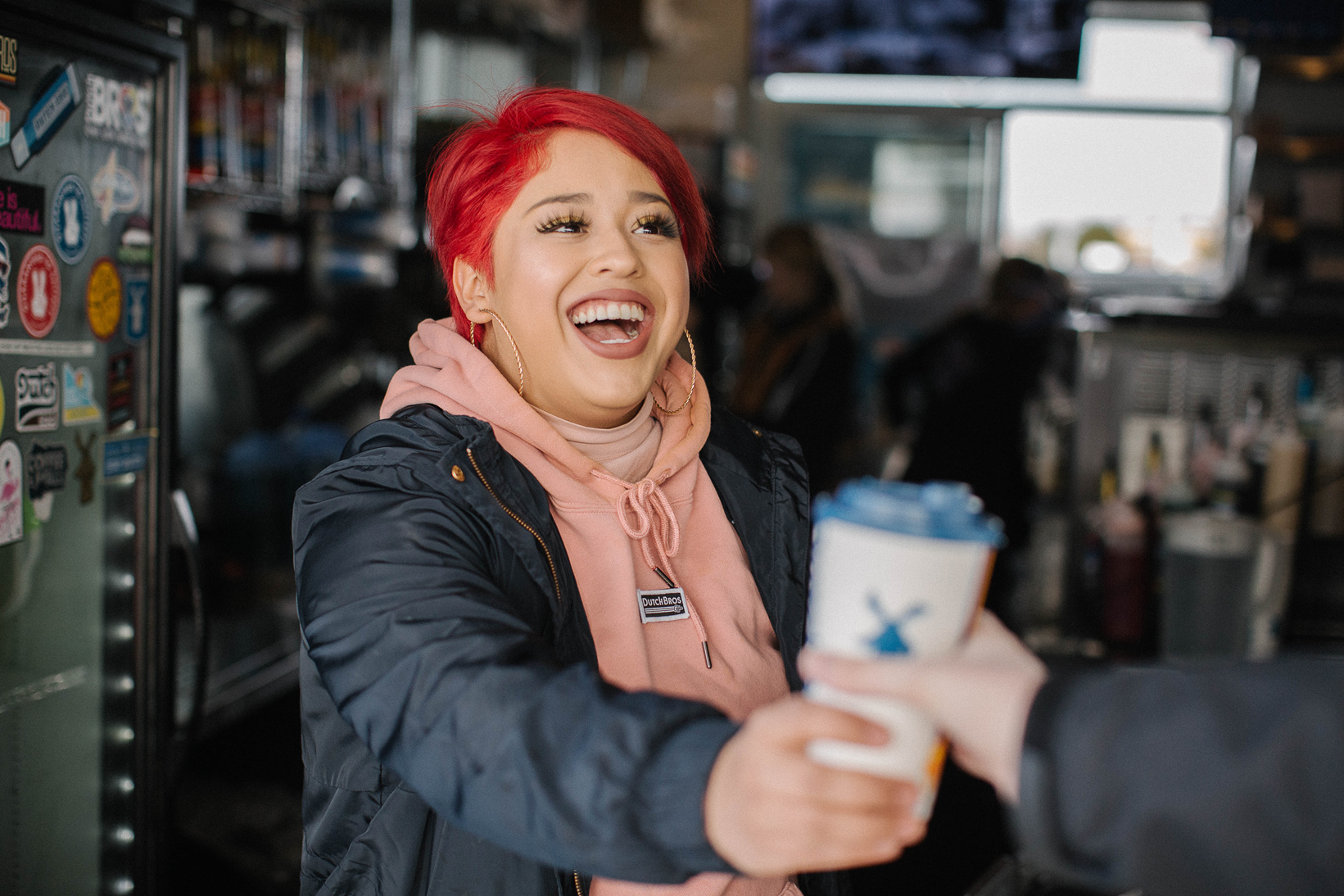
On Aug. 5, the Oregon-based coffee chain reported strong second-quarter results, including 8.3% same-store sales growth for company-owned stores. Loyal Dutch Rewards customers continue to drive results, with the rewards program now accounting for 74% of transactions.
Yet Dutch Bros stock fell 18% the next day and recently was down about 22%, despite beating expectations and raising guidance for the year. A reaction like that typically says more about the stock's valuation than the health of the business.
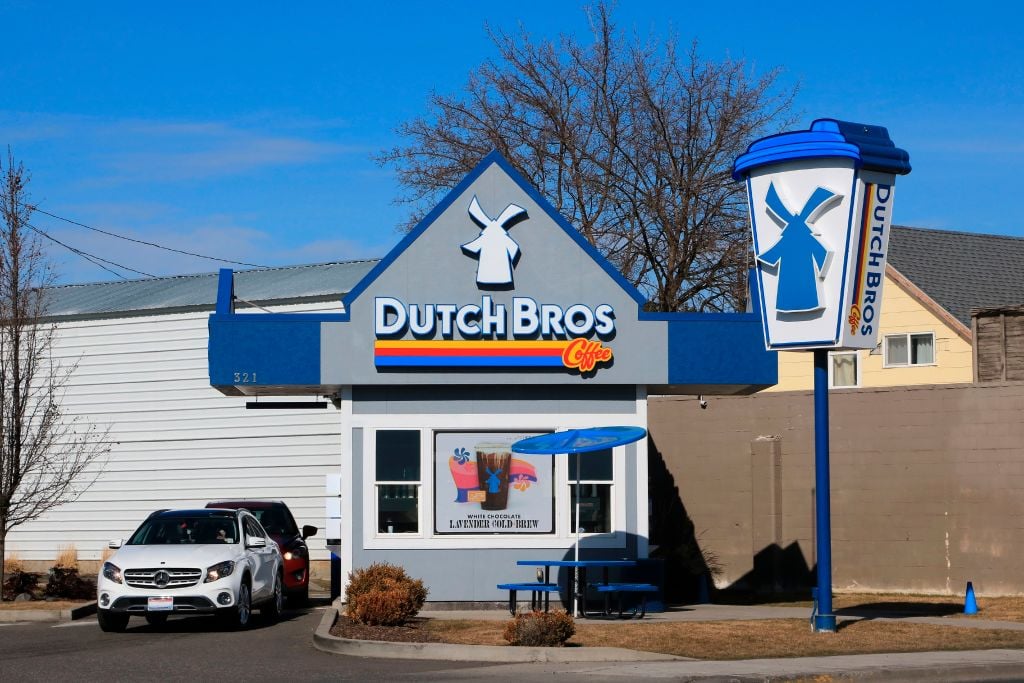
Image source: The Motley Fool.
Loyal customers drive consistent results
The company was lapping a challenging comparison after increasing same-store sales by 7.8% in Q2 2025. Building on those results, company-owned stores grew roughly 16% on a two-year stacked basis.
This was the company's 13th consecutive quarter of positive same-store sales and its eighth straight quarter of transaction growth. That traffic, up 3.4% this quarter, makes Dutch Bros stand out in a restaurant industry where many chains are struggling with declining visits.
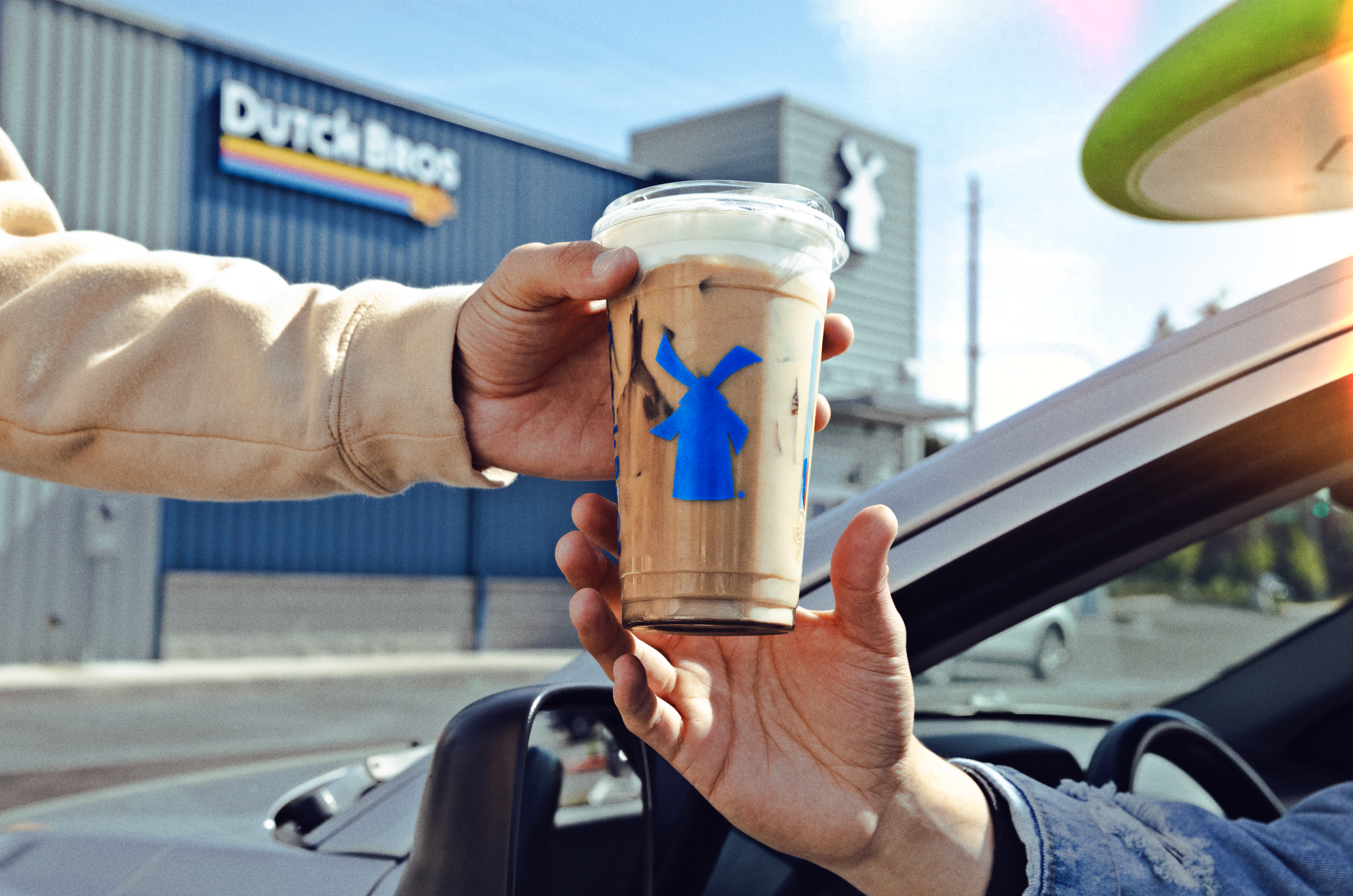
The drive-thru specialist continues to benefit from rising demand for convenient, customized caffeinated beverages. Starbucks launched its blended energy refreshers last month to compete for that same afternoon crowd.
Is the valuation still stretched?
Before earnings, the stock traded at around 66 times forward earnings estimates. After the drop, the multiple compressed to a more reasonable, but still premium, 46 times. Conservative guidance for third-quarter same-store sales of 4% to 5%, a step down from recent results, may have contributed to the sell-off.

NYSE: BROS
Key Data Points
Higher costs continued this quarter, as expected, weighing on profit margins. Food costs rose to 26.1% of company-operated revenue, up 80 basis points year over year, driven by higher coffee costs and the rollout of its new food offerings. Occupancy costs also climbed 50 basis points as the company shifted toward build-to-suit leases.
Despite rising costs, earnings are still expected to grow by 70% in fiscal 2026 to $0.92 per share.
The simplicity of the drive-thru model is part of the appeal, but the addressable market is what makes the investment case compelling. The cold beverage chain has 1,225 shops today and management says it could reach 3,500 locations just by expanding in its current markets.
Management's aspirational goal is to reach up to 7,000 domestic shops, offering investors a rare long-term growth story in the restaurant industry. The recent pullback provides an opportunity to add shares, though the stock's still not cheap, warranting a disciplined approach.