Nvidia (NVDA -0.52%) is often considered the linchpin of the AI market. It's the world's largest producer of high-end data center GPUs used to train AI algorithms. Most of the top cloud and AI companies rely on Nvidia's GPUs to power their newest AI applications, and Nvidia locks in those customers with its proprietary software and services.
However, there's one company that matters even more than Nvidia. Without this company, Nvidia's GPUs -- as well as other advanced AI chips -- wouldn't even exist. That company is ASML (ASML +0.60%), the world's largest producer of lithography systems.

Image source: Getty Images.
Why does ASML matter more to the AI market than Nvidia?
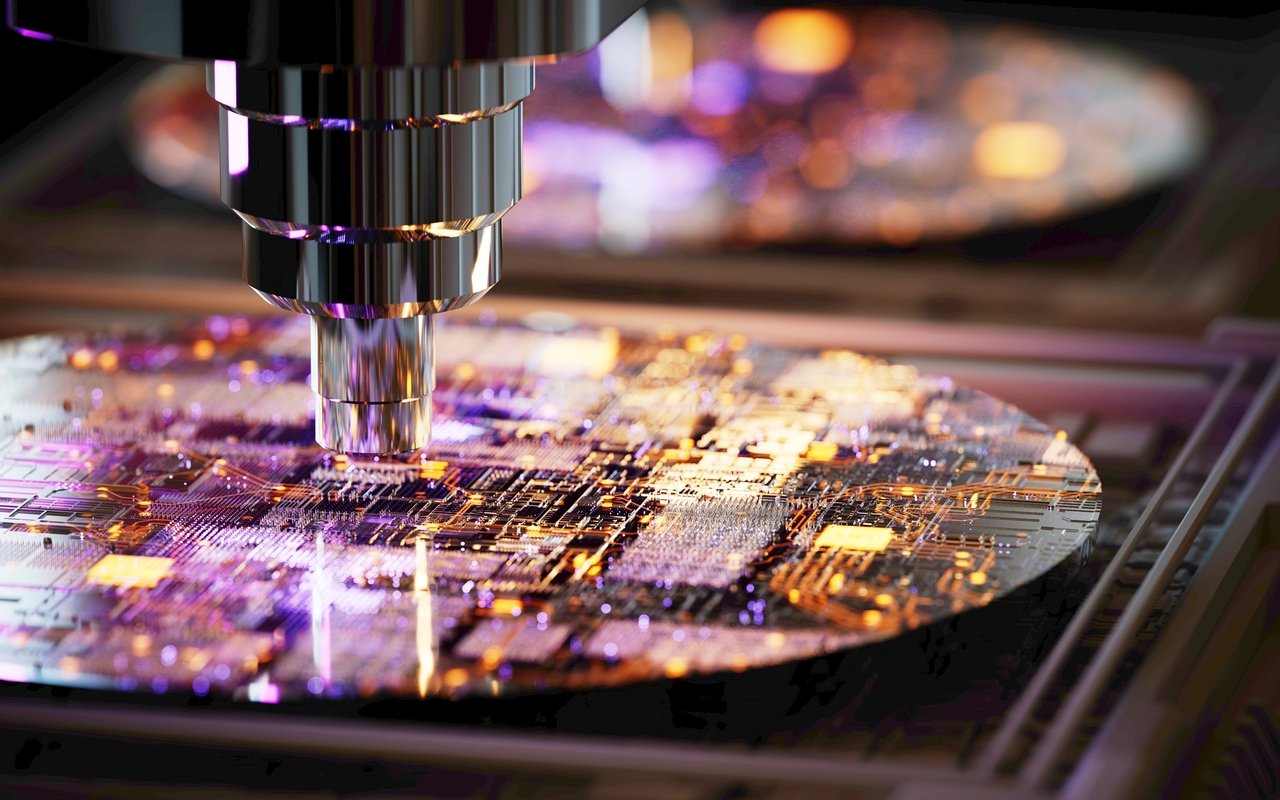
Lithography systems are massive machines that optically etch circuit patterns onto silicon wafers. ASML, which is based in the Netherlands, is the only producer of extreme ultraviolet (EUV) lithography systems for manufacturing the world's smallest and densest chips.
All of the world's leading foundries -- including TSMC, Samsung, and Intel -- use ASML's EUV systems to produce their most advanced chips. Those chips include the latest AI chips from Nvidia, AMD, and Broadcom, as well as the latest mobile, PC, and server chips. These systems cost $200 million to $400 million and are shipped in pieces with multiple planes.

NASDAQ: ASML
Key Data Points
ASML is also the leading producer of deep ultraviolet (DUV) systems, which are used to produce older and larger chips. Those chips don't attract as much attention as Nvidia's latest GPUs, but many of them serve essential roles in data centers. DUV systems cost between $10 million and $90 million, and they're roughly the size of a small van.
Without ASML's machines, the world's top foundries would grind to a halt. That's why I believe ASML matters more to the expansion of the AI market than individual chipmakers like Nvidia.
How much bigger could ASML grow?
ASML's monopolistic position in the EUV market grants it significant pricing power and room to grow as the semiconductor market expands. It's barred from selling its EUV systems and higher-end DUV systems in China, but its growth in other markets is easily filling that void.
From 2025 to 2028, analysts expect ASML's revenue and EPS to grow at CAGRs of 26% and 39%, respectively. Its stock has already rallied nearly 130% over the past 12 months, but it still looks reasonably valued at 29 times next year's earnings. If you're looking for a reliable, high-growth AI stock with a wide moat, ASML checks all the right boxes.