Microsoft (MSFT +1.48%) CEO Satya Nadella has enjoyed a tremendous increase in his total compensation over the past decade, with his pay rising from just $18 million in 2015 to $96.5 million at the end of fiscal 2025. That has made him one of the world's highest-paid CEOs.
The massive jump was the result of more than 95% of Nadella's pay being directly tied to performance stock units linked to Microsoft's shares. The better Microsoft stock performs, the higher Nadella's compensation becomes.
With Microsoft's stock surging 942% since 2015, it's no wonder Nadella's pay has accelerated. And as impressive as his pay is, the two reasons for Microsoft's growth over the past decade or so have been equally as remarkable.
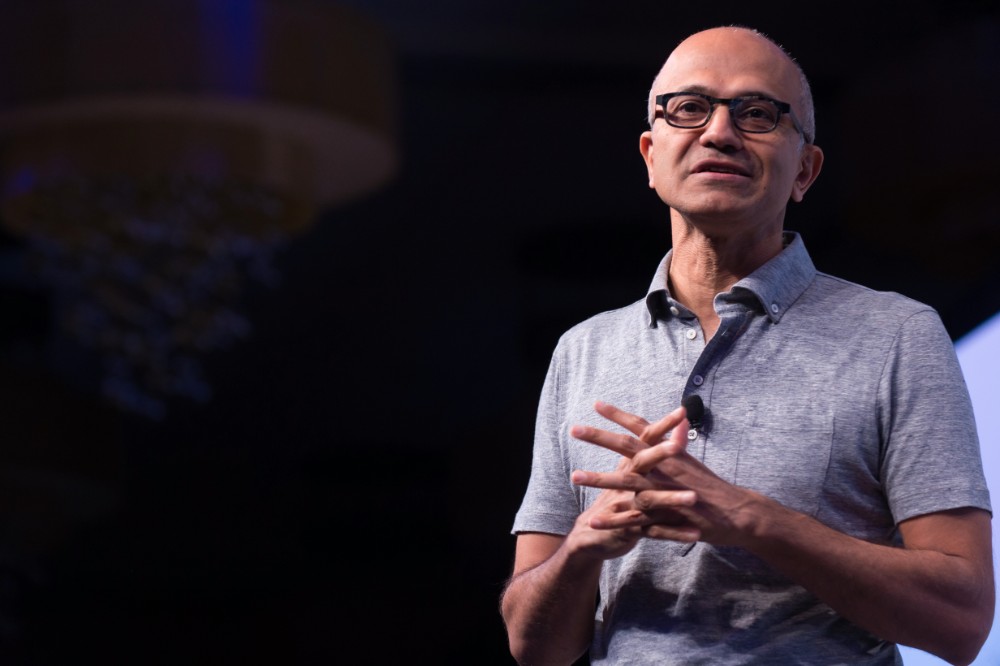
Microsoft CEO Satya Nadella. Image source: Microsoft.
Success from cloud computing and AI accelerated Nadella's pay
When Nadella took over Microsoft in 2014, he famously shifted the company's focus to what he called a "mobile first, cloud first" approach. That meant funneling talent and capital into the company's cloud computing services, particularly Azure.
The cloud pivot paid off in spades. Azure was doubling and tripling its revenue growth in the mid-2010s, and Microsoft recently reported that Azure cloud revenue surpassed $100 billion in fiscal 2026.
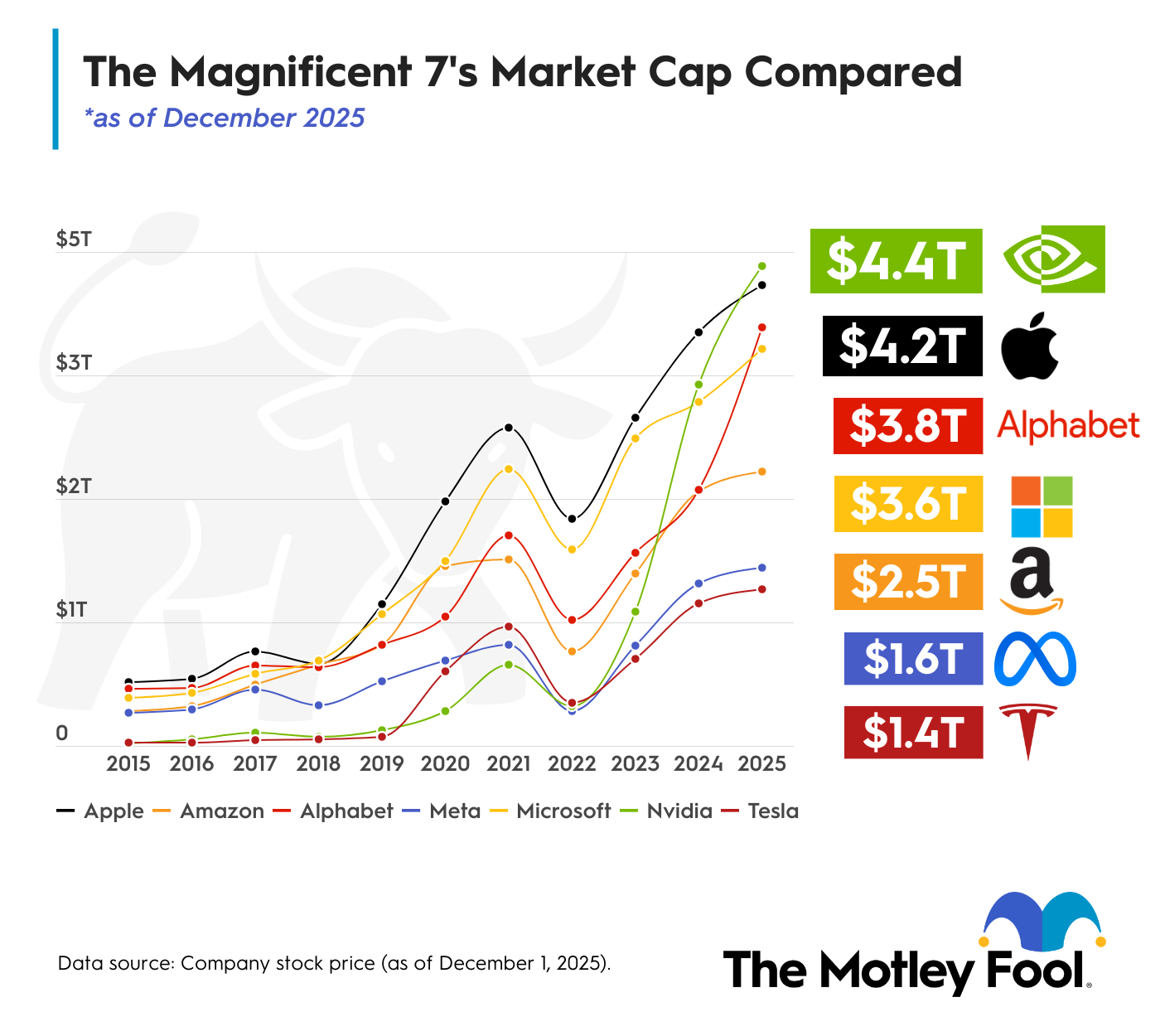
This cloud success was one of the biggest catalysts for Microsoft's growth in the first five years of Nadella's leadership, boosting its market cap from $300 billion in 2014 to over $1 trillion by mid-2019.
And, of course, it didn't stop there. Microsoft's market cap is now above $3.6 trillion, thanks to another tech accelerant that Nadella successfully infused into the company: artificial intelligence.

NASDAQ: MSFT
Key Data Points
Microsoft was an early investor in OpenAI -- it still holds a roughly 27% stake in that business -- and their partnership helped Microsoft integrate AI into its popular enterprise software. The company launched its Copilot AI and infused it into everything from Word to Azure, giving its customers some of the first enterprise-level AI integrations.
Microsoft's AI Copilot business has grown rapidly, and in its most recent quarter, the company reported more than 30 million paid Copilot seats. Just as importantly, part of Azure's recent growth has come from Microsoft investing heavily in building new data centers and renting out AI services to its customers. The company also earned nearly $5 billion in net income from its OpenAI stake in fiscal 2026.
In December 2025, Microsoft's board lauded how Nadella had led the company through its transition to a focus on AI:
"Our exceptional fiscal year 2025 results demonstrate that Satya Nadella and his leadership team have positioned Microsoft as a clear artificial intelligence leader for this generational technology shift, enabling Microsoft to drive long-term growth through innovation, security, and quality."
That's a pretty good performance review. And Microsoft could have more to look forward to. The AI cloud market is still in its infancy, and some forecasts expect the total size of that market to reach $1.7 trillion by 2033, up from just $170 billion this year.
What's more, while some of Microsoft's peers have gone free-cash-flow negative as they've pursued their expensive build-outs of new AI data centers, Microsoft successfully invested in data centers while still reporting $67 billion in free cash flow in its fiscal 2026.
With all of that in mind, investors who are looking for a fantastic AI company led by an exceptional leader with a track record of success should consider buying Microsoft.