Tim Cook is about to hand the reins of Apple (AAPL +0.04%) to incoming CEO John Ternus, but he left shareholders with a bit of bad news on his last earnings call, saying the company is currently facing a "100-year flood"-level event when it comes to memory prices.
Cook wasn't being dramatic. Some memory prices skyrocketed by 90% in the first quarter of 2026 alone as tech companies rushed to buy memory for devices and data centers. The shortage caused prices to spike, and it could be years before the supply-and-demand imbalance is resolved.
I'm an Apple shareholder, and I've been keeping a close eye on the company's response to rising memory costs. Here's why I don't think it's time to worry just yet.
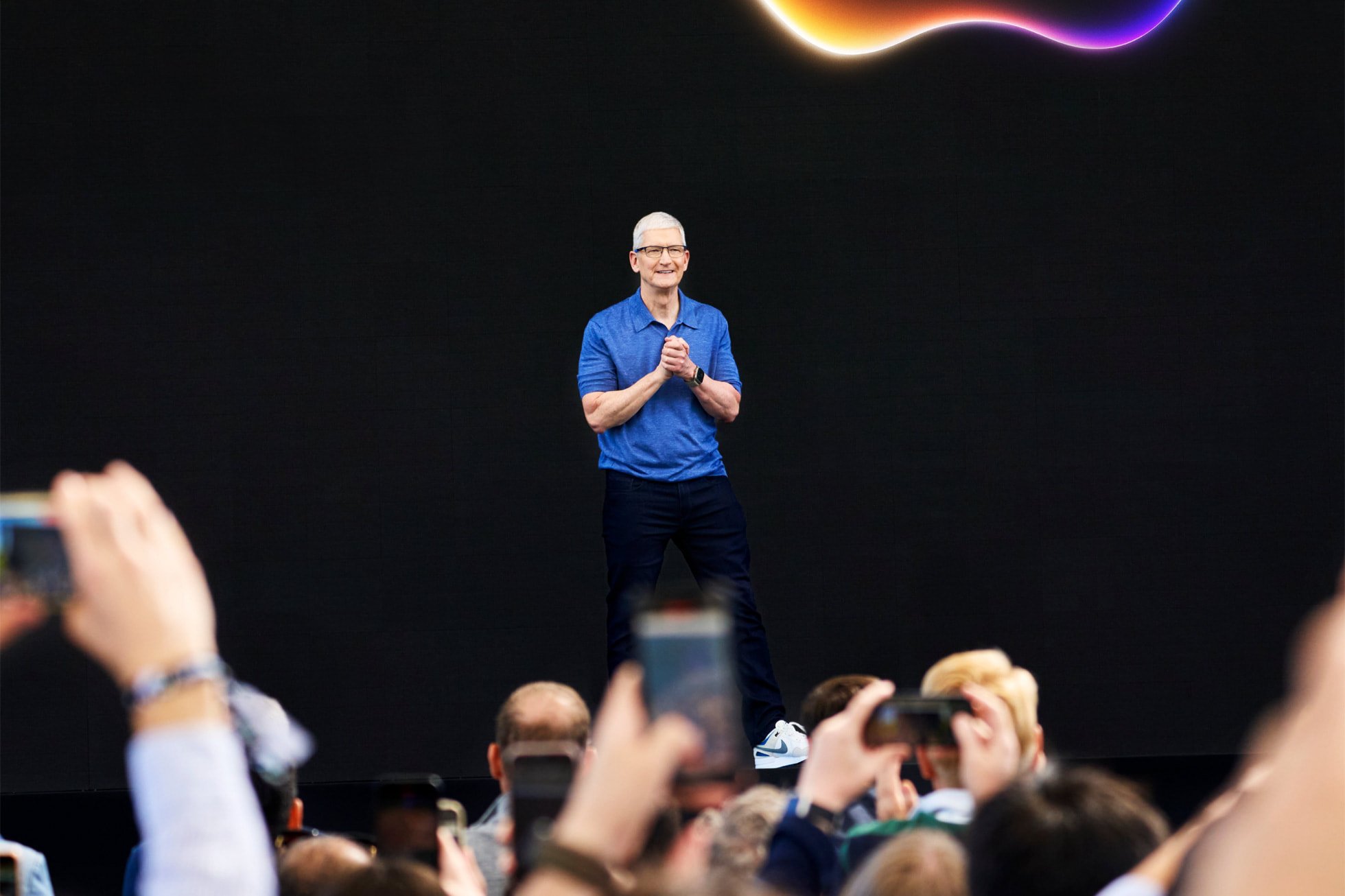
Image source: Apple.
How Apple is riding out the 100-year flood in memory prices
Apple often commands better pricing on the device components (including memory) it purchases from suppliers because of its large order volume. But even Apple hasn't been able to weather the current memory crunch without adjusting pricing strategies.
To manage the issue, the company raised the prices of many of its computers and other devices in June, some by $200 or more, and it could do the same next month when the latest iPhones debut.
Cook said on the earnings call, "On the pricing front, we reluctantly raised prices, I would say. And we did it because we're in what I would characterize as a 100-year flood on the memory pricing with exponential increases in memory prices."
The company already sells its devices at a premium and usually doesn't raise prices unless external forces are weighing on its margins. Apple's third-quarter gross margin was 50% (which included a 2-percentage-point boost from tariff refunds), and raising prices on its devices will help keep margins where Apple wants them.
Some recent reporting from Bloomberg says that Apple will raise prices on some iPhone models by $100 or more to help maintain margins on the device, which is Apple's largest revenue driver.
AAPL Apple
NASDAQ · As of 11:02 AM ET 10/19/26

Margins may still decline slightly, and revenue growth will be slower
While Apple is adjusting to the memory shortage and the resulting higher costs, management said on the call that the shortage will likely continue to hurt gross margins and even slow device sales growth.
For example, Apple's forward guidance for the fourth quarter is for gross margins between 47% and 48%, below its 50% in the third quarter. Additionally, management said iPhone sales will grow by a percentage in the "mid-teens," which is well below iPhone revenue growth of 22% in the most recent quarter. The slowdown in sales is expected because there are industry rumors that Apple may not have secured enough memory for its phones.
While this wasn't great to hear, it's not all doom and gloom for Apple. The company is adjusting its device prices, and memory shortages could end by late next year. Counterpoint Research shows that while the next year or so could see a slowdown in smartphone demand, the firm estimates a recovery in 2028.
All of which means that Apple shareholders shouldn't worry just yet, but they should keep an eye on how Apple -- and its soon-to-be CEO John Ternus -- handles the next several quarters. I'm a longtime Apple shareholder, and the current 100-year flood in memory price isn't tempting me to sell the stock, but I'll keep an eye out for any more storm clouds on the horizon.