Vanguard's S&P 500 ETF (VOO +0.28%), the world's largest S&P 500 (^GSPC +0.33%) exchange-traded fund (ETF), hit an all-time intraday high of $716.39 per share on Aug. 13. It's pulled back slightly since then, but it's still risen 12% year-to-date.
VOO is usually considered a safe way to passively invest in the stock market, but should you buy it at these levels? Let's review its long-term growth potential to decide.

Image source: Getty Images.
What does VOO own?
VOO tracks the S&P 500, the benchmark index of the 500 largest publicly traded U.S. companies. It houses $1.7 trillion in assets and charges a low expense ratio of 0.03%. Its largest holdings include Nvidia (7.55% of its portfolio), Apple (7.04%), Microsoft (5.36%), and Amazon (4.13%).
VOO charges such a low fee because professional fund managers don't actively manage it. It only passively tracks the S&P 500, which is rebalanced every quarter to always include the top 500 companies in America. So while its investors will never beat the market -- since they're merely mirroring it -- they'll always be invested in the country's largest companies.
That's a smart long-term move, since most actively managed funds and individual stocks can't beat the S&P 500 over the long term. That's why Vanguard's founder, John Bogle, once told investors, "Don't look for the needle in the haystack. Just buy the haystack."
VOO Vanguard S&P 500 ETF
NYSEMKT · As of 4:00 PM ET 10/15/26
But should you buy VOO today?
Investors who buy VOO today face three near-term challenges. First, the S&P 500 is a market-cap-weighted index, and top tech companies like Nvidia, Apple, Microsoft, and Amazon account for a disproportionate share of its growth relative to more mature companies.
Second, the AI market's rapid expansion is generating strong tailwinds for those top tech stocks, but it's also reducing the S&P 500's diversification and inflating its valuations. If AI spending slows, those top stocks could pull back, weighing on the entire index.
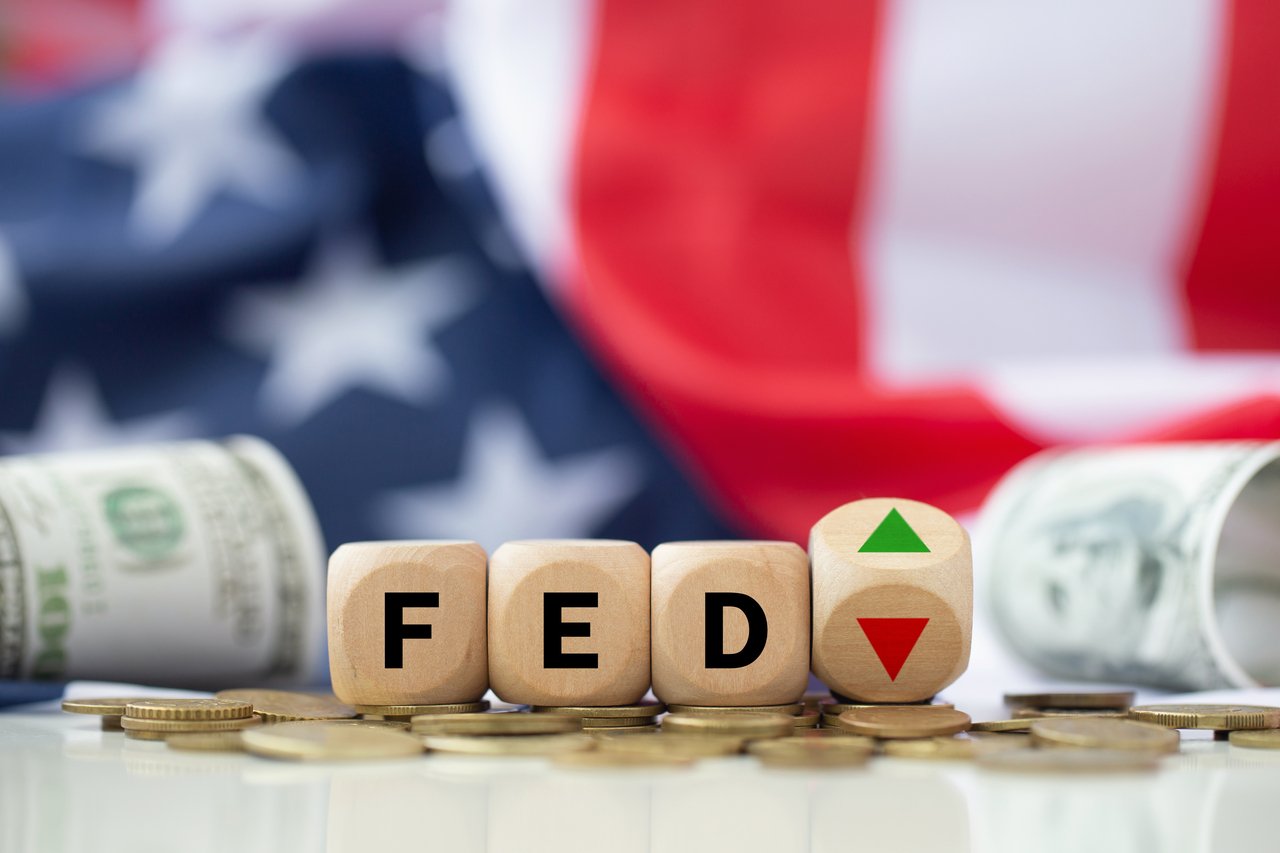
Lastly, the S&P 500 trades at 21 times forward earnings, compared to its average forward price-to-earnings ratio of 17. That elevated valuation could limit its upside, especially if Treasury yields rise, the Fed raises rates, and investors pivot back toward fixed-income plays.
However, the S&P 500 has also generated an average total return of 10% since its inception in 1957. It regularly experienced double-digit drawdowns during those seven decades, but it also richly rewarded buy-and-hold investors. Therefore, VOO is still a great place to park some cash you can afford to set aside for at least a decade. But if you'll need the money within a few months or years, it might be smarter to stick with CDs or T-bills instead.