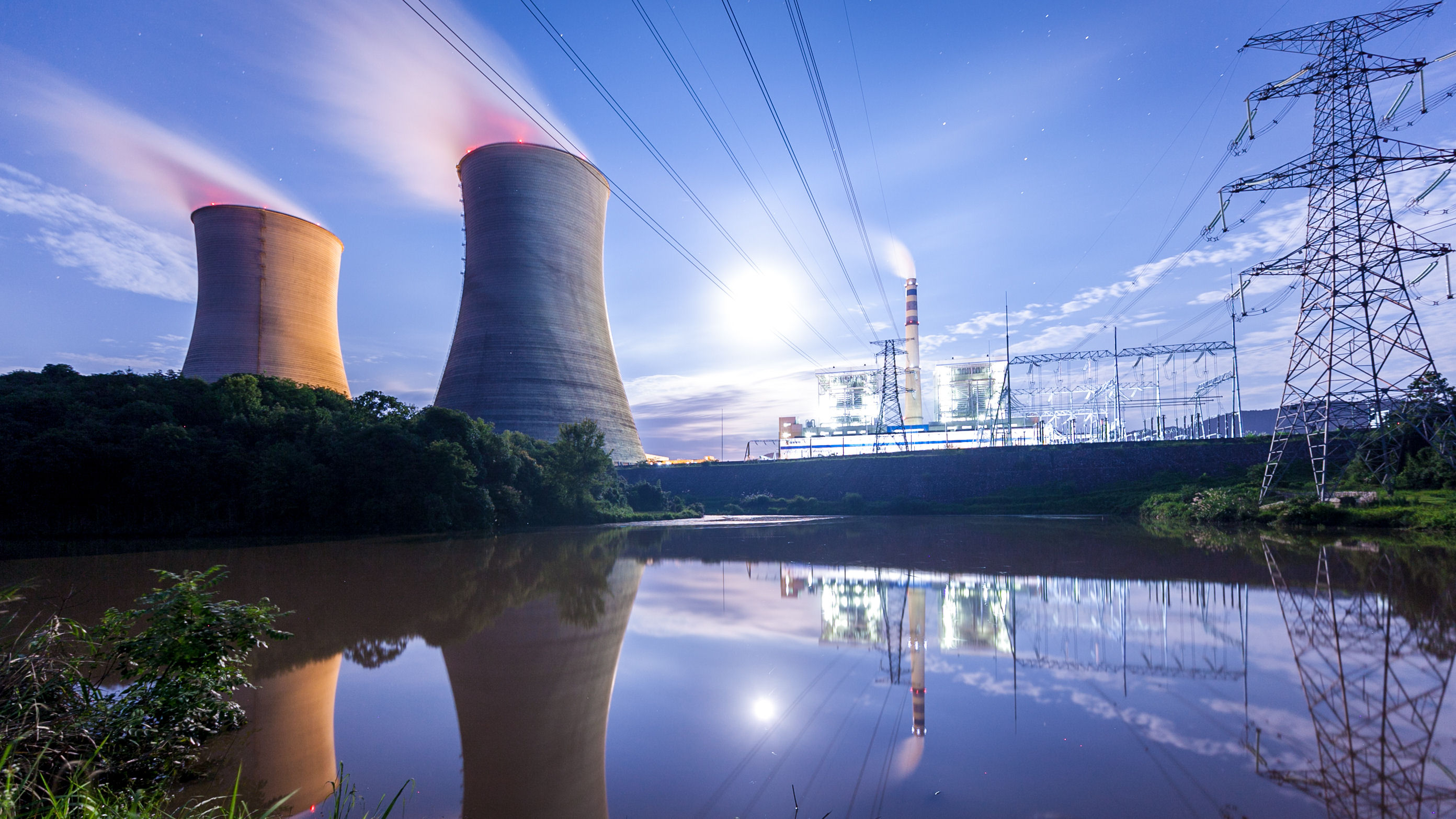
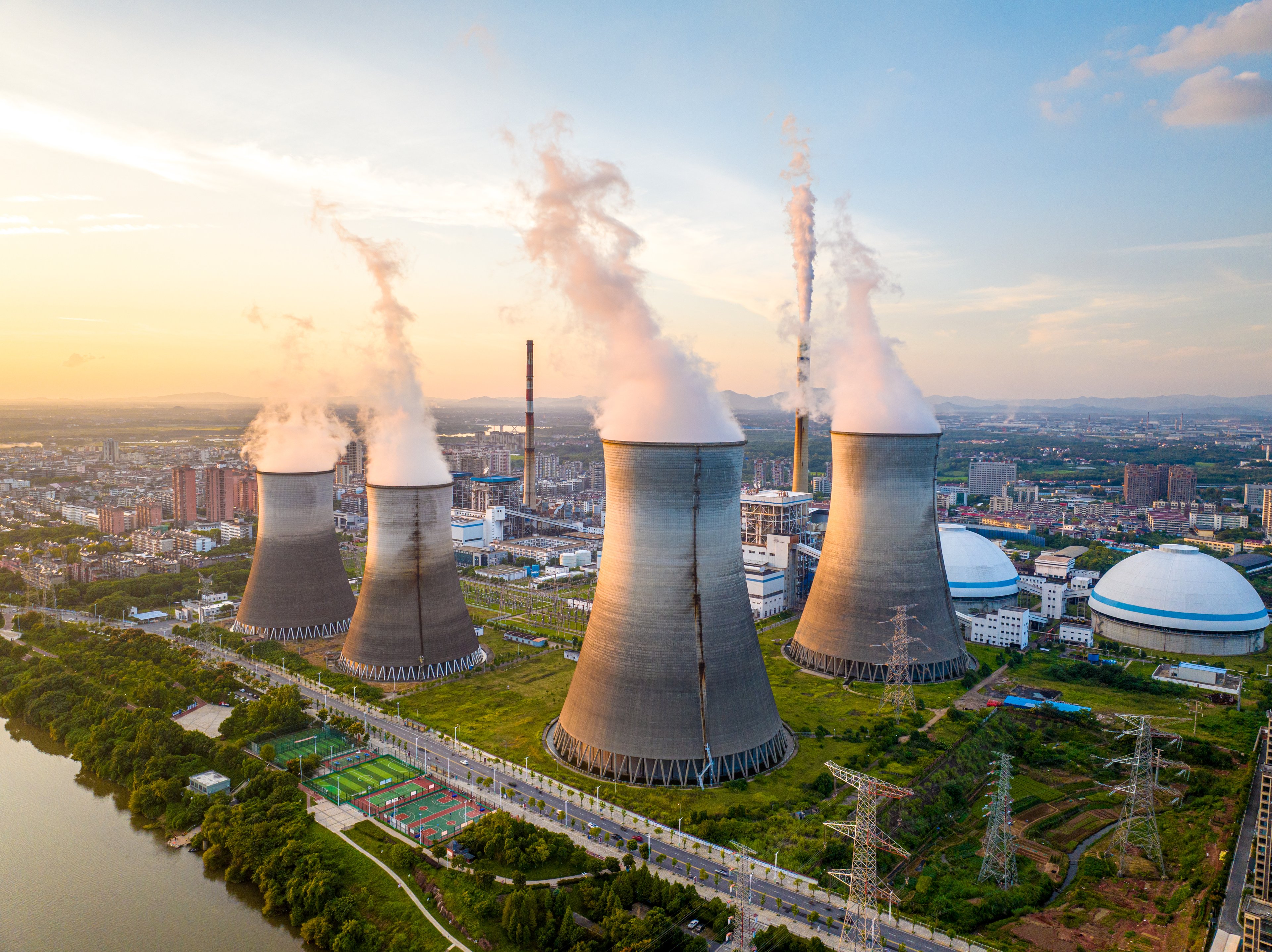
After falling out of favor in the 2010s, nuclear power is enjoying a resurgence. Countries worldwide are recommitting to nuclear energy, and more technology companies see it as a way to power their growing data center footprints.
The nuclear industry is ready to benefit from massive tailwinds over the next several decades. Here are three things smart investors know about the nuclear power comeback.

Image source: Getty Images.
1. The push for nuclear power is global
Countries worldwide are committing to nuclear energy, a trend that has been building over the last few years. In December 2023, at COP28, over 20 countries, including the United States, France, Japan, the United Kingdom, and the UAE, signed a declaration to triple their nuclear energy capacity by 2050.
Russia's invasion of Ukraine in 2022 severely disrupted Europe's natural gas supplies, resulting in price spikes and creating energy insecurity for the region. Natural gas is viewed as a bridge fuel between coal and renewables, but with its cheap fuel supply cut off, nuclear power was thrust back into the spotlight.
Another reason for nuclear's resurgence is renewables' intermittency. While countries have significantly expanded wind and solar capacity, these energy sources do not produce electricity at a constant rate. Nuclear, by contrast, provides 24/7 reliable baseload energy that can ramp up or down to meet changing demand.
Committing to triple their nuclear energy capacity helps free up capital for nuclear energy projects. For too long, major international lenders like the World Bank and regional development banks have had long-standing bans or moratoriums on financing nuclear power projects.
In September 2024, 14 major financial institutions, including Bank of America, Goldman Sachs, and Citigroup, announced their support for the declaration to triple nuclear capacity. In June 2025, the World Bank Executive Board ended its multi-decade ban on financing nuclear energy projects.
2. Hyperscalers are turning to nuclear for their growing energy needs
Technology companies are increasingly turning to nuclear power. AI data centers need reliable, 24/7 baseload power to meet training and inference demands. Nuclear power provides a capacity factor of 90% or higher, meaning it can efficiently deliver reliable power around the clock.
In September 2024, Microsoft kicked things off with a 20-year power purchase agreement with Constellation Energy (CEG -5.49%), the largest nuclear fleet operator in the U.S. As part of this deal, Constellation agreed to restart Three Mile Island Unit 1 and rename it the Crane Clean Energy Center.
Meta Platforms has signed 20-year PPAs with both Constellation and Vistra VST -6.51% for nuclear power. The company is also looking at next-generation nuclear technology and has signed agreements with TerraPower and Oklo OKLO -8.62% for projects slated to come online in the 2030s.

NASDAQ: CEG
Key Data Points
3. Small modular reactors could change nuclear energy as we know it
Traditional nuclear power plants can take over a decade to build and require massive upfront capital. These long timelines and high costs can make financing such projects risky. Next-generation nuclear technology, known as small modular reactors (SMRs), could change the way nuclear power is deployed.
SMRs are largely factory-fabricated and transported to the site, which can significantly reduce costs, especially if these technologies scale. They are then constructed on-site, with construction timelines of roughly 24 to 36 months, slashing time to nuclear power. What makes SMRs appealing for hyperscalers or industrial operators is that they can be delivered on-site to help provide behind-the-meter power.
Several companies are working on SMR technology, including Oklo, NuScale Power (SMR -10.17%), TerraPower, X-Energy (XE -8.49%), GE Vernova (GEV -6.20%) (with Hitachi), and Westinghouse. These SMRs have differing coolant and fuel requirements, and the U.S. is taking steps to accelerate their regulatory approvals through the Department of Energy.

NYSE: SMR
Key Data Points
Right now, a couple of projects are underway in North America to develop SMRs. Ontario Power Generation's Darlington New Nuclear Project will utilize GE Hitachi BWRX-300 SMRs and aims to come online in 2029 or 2030. Meanwhile, the Tennessee Valley Authority (TVA) is looking to deploy the BWRX-300 at the Clinch River Nuclear Site near Oak Ridge and is considering projects with NuScale and Kairos Power.
With support from major financial institutions and countries worldwide, nuclear power is enjoying a resurgence that could span decades -- creating a compelling opportunity for long-term investors who invest in nuclear stocks today.