The U.S. Air Force is going all-in on drones. Recently, I covered the award of twin contracts for the production of Collaborative Combat Aircraft (CCA) by General Atomics and Anduril Industries -- a $10 billion contract for the winners. Today I'll tell you about a separate, related contract for Air Force drones. It's not quite as big, but at $5 billion in total value, it's not exactly tiny, either.
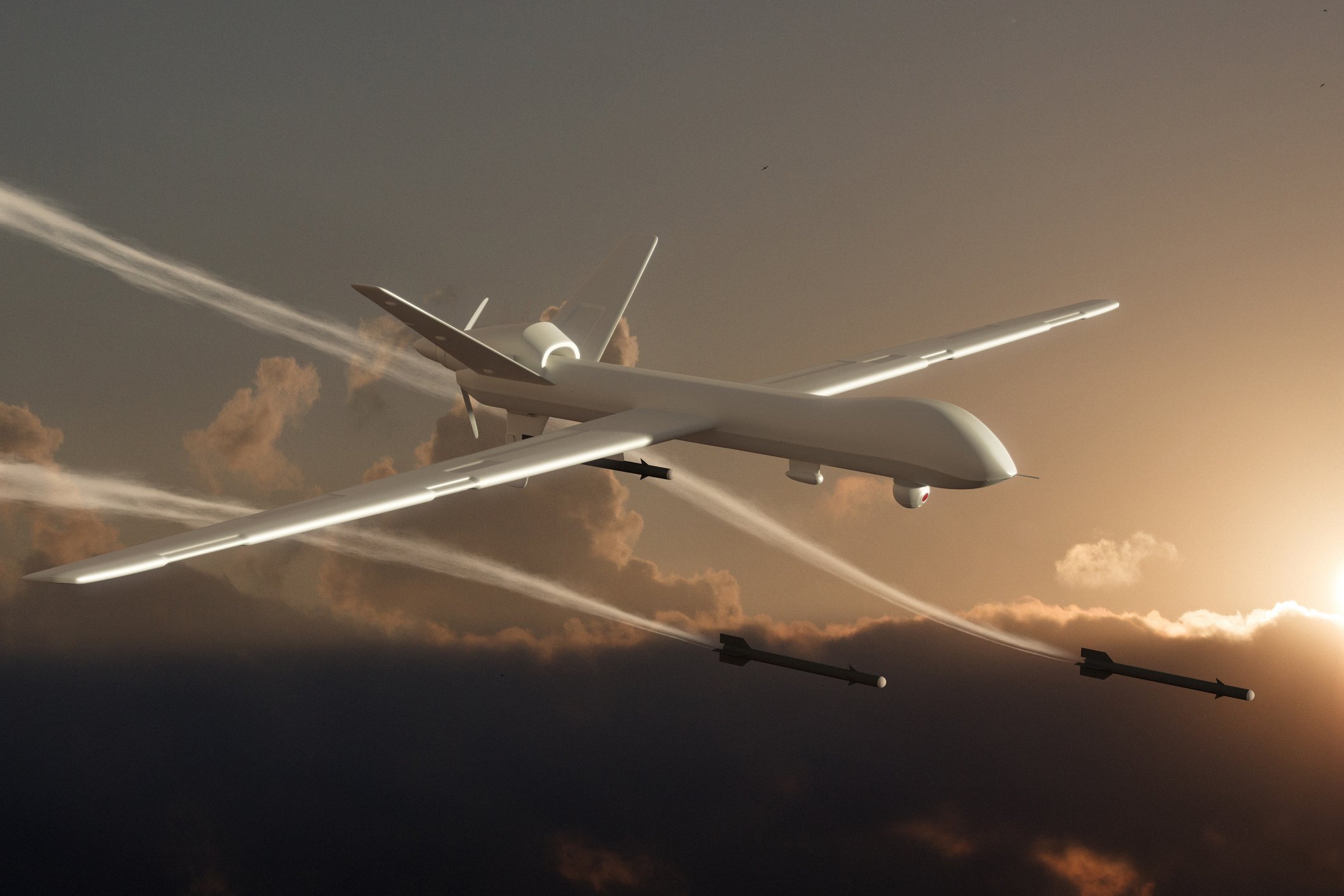
Image source: Getty Images.
CCA, meet MMA
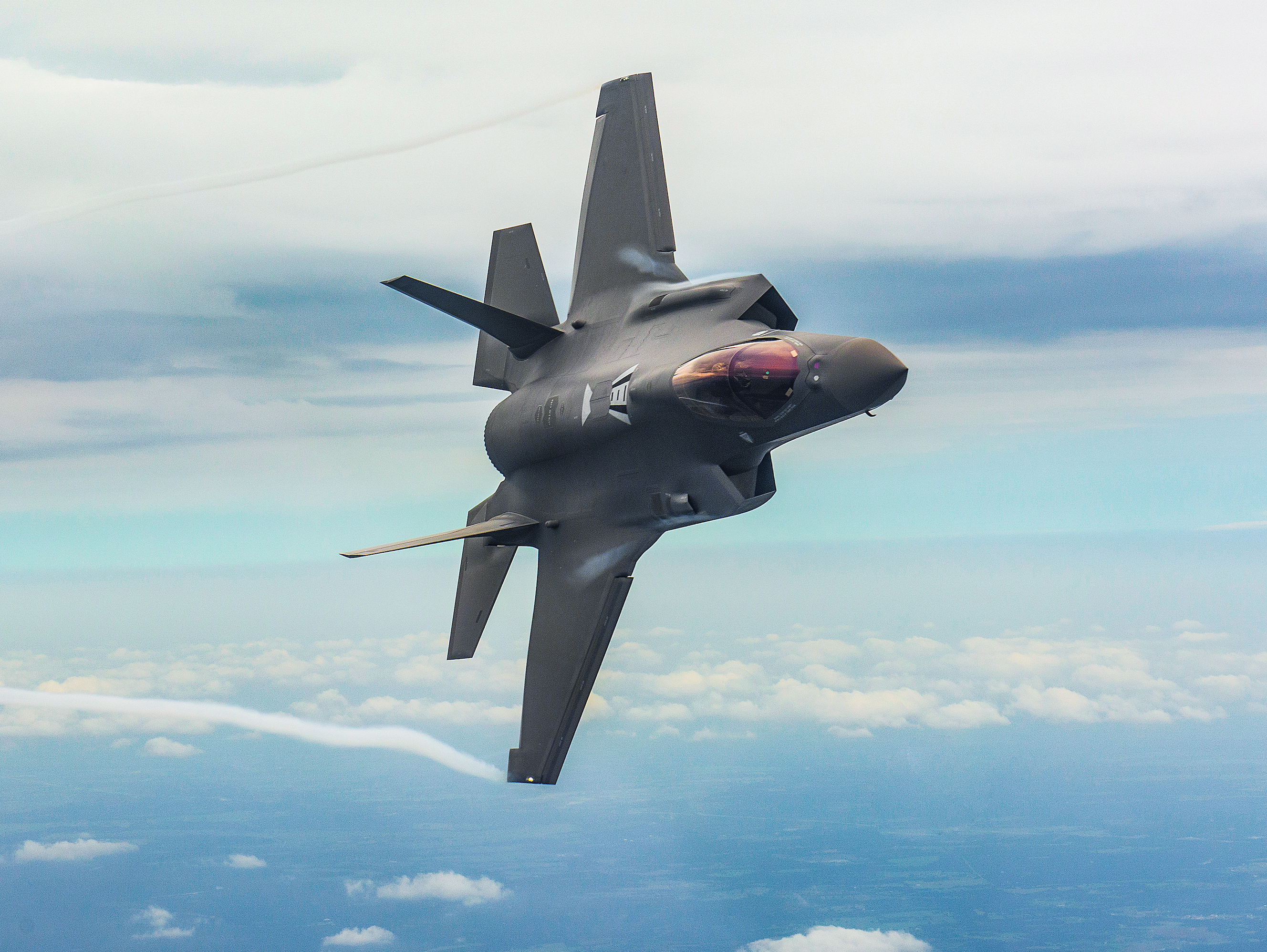
By 2032, the Air Force wants to have 500 autonomous CCA strike drones in its inventory. Flying alongside them -- and oftentimes controlling them -- will be piloted F-35 stealth fighter jets built by Lockheed Martin (LMT +6.96%). The Air Force wants another set of 500 drones, however, built even more economically, to supplement the strike drones.
LMT Lockheed Martin
NYSE · As of 4:00 PM ET 10/22/26

Dubbed "Massed Modular Aircraft," or MMA, these 500 reconnaissance-and-strike drones will also arrive in force in 2032, taking over missions currently performed by General Atomics' MQ-9A Reaper drones.
To date, the Air Force has lost about 25% of its Reaper fleet -- 45 aircraft -- in combat operations over Iran. At a reported $30 million apiece, those are some substantial losses in dollar terms. If the Air Force gets the price it's looking for from MMA drones, however -- $10 million apiece -- future losses should be easier to bear.
Who will build MMA, and when will it arrive?
Airandspaceforces.com reports that the Air Force is looking to have the first batch of 100 MMA drones flying by 2029, ramping to 500 drones by 2032 -- the same number as for CCA. It's not yet known who will build the MMA, but sources indicate that General Atomics and at least one other company, "Swarm Aero," are in the running. Airandspaceforces reports there will be "multiple" MMA models in the fleet, built by "different" contractors.
This suggests the USAF may be planning a try-before-you-buy (in bulk) approach to the MMA program, similar to what the Pentagon is running with its Drone Dominance Program, which fast-tracks the production of cheap first-person view (FPV) attack drones. If that's the case, we could see many companies win (probably unprofitable) MMA contracts for a handful of drones initially. Over time, the best models would win more and more orders, and the companies building them would become increasingly profitable as they win.
What's next for MMA?
Keep an eye on this space as we track progress on MMA contract awards and the companies winning them. Air Force Secretary Troy Meink says that so long as he can get the money from Congress, he plans to hit 500 MMAs by 2032 but then proceed to award production contracts "much higher than that" in future years.
Whoever wins these awards could be looking at a real windfall.