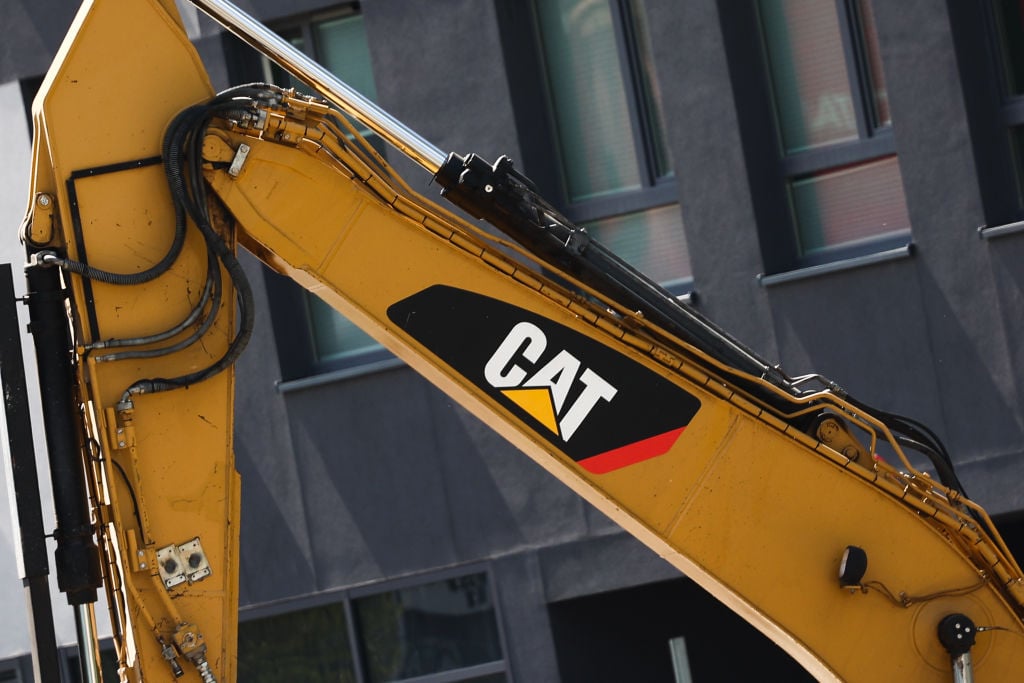
Caterpillar (CAT +2.31%) is a leading maker of construction and mining equipment, off-highway diesel and natural gas engines, industrial gas turbines, and diesel-electric locomotives.
On Oct. 1, the industrial stock was trading at around $822 per share and was up more than 43% so far this year, though it's down notably from the 52-week high of $1,073.46 it reached on June 30.
In that context, it certainly isn't out of the realm of possibility that Caterpillar could be trading above $1,000 within the next three years, and here are three reasons why I think it will be.
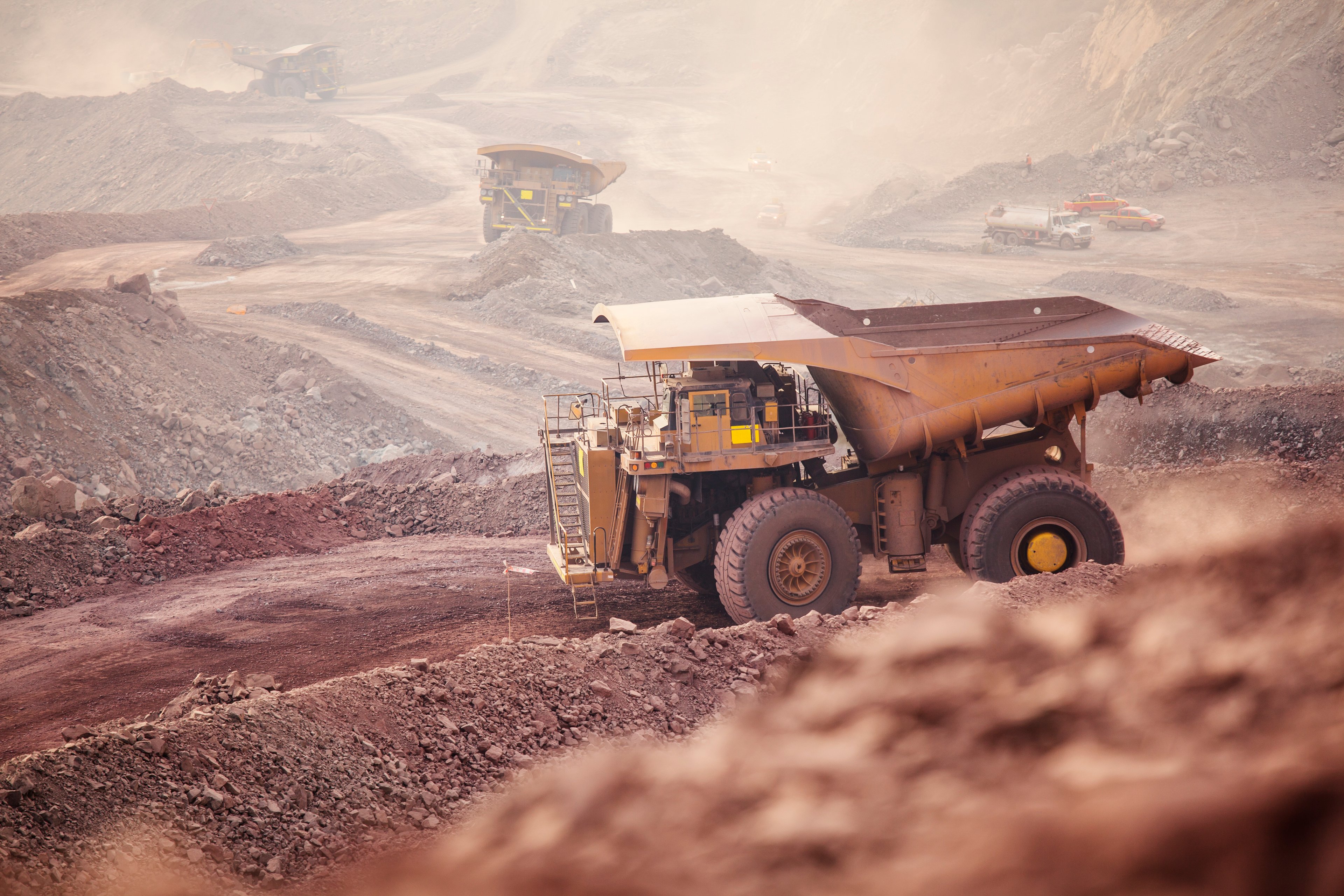
Image source: Getty Images
Data center AI infrastructure and off-grid power needs
The explosion in artificial intelligence (AI) and data center construction has created an acute power bottleneck. Hyperscalers cannot rely solely on local electrical grid interconnections to get access to the many megawatts their data centers need. In many places, there are multiyear interconnect queues for large electricity customers.

NYSE: CAT
Key Data Points
Caterpillar's energy and transportation division has become a core supplier of primary and backup power for AI facilities -- specifically its reciprocating industrial engines and solar turbines. The company said it is tripling its production capacity of large reciprocating engines relative to its 2024 baseline. As hyperscalers sign multi-gigawatt power contracts, Caterpillar will be able to secure long-duration, high-margin equipment backlogs.
In the second quarter, the company reported record revenue of $20.5 billion, up 24% year over year. Its operating profit margin grew from 17.3% in the prior-year quarter to 20.9%, and earnings per share rose 68% to $7.77.
It is seeing more high-margin growth
Traditionally, the market has valued Caterpillar as a cyclical manufacturing company, recognizing that its business would be subject to both uplifting booms and sharp declines based on macroeconomic factors. However, Caterpillar has been systematically lifting its valuation multiple by scaling up the share of revenue it books from predictable services businesses.
The company is on track toward its goal of $30 billion in annualized high-margin services revenue by 2030, up from $24 billion. Gas turbines and continuous-power generators running 24/7 generate up to 40 times as much lifecycle servicing and parts demand as standby diesel units. This shift in its revenue structure is smoothing out the cyclicality of its earnings, which is why the market is granting Caterpillar a higher structural price-to-earnings (P/E) multiple. It is trading at about 35 times earnings, well above its average over the past five years.
In the second quarter, the company reported cash flow of $6.14 billion, up from $5.72 billion in the prior-year period. That growth is enabling the company to invest more in new projects and reward shareholders. It increased its dividend by 8% this year, the 32nd consecutive year it has boosted its dividend.
Megaproject and infrastructure reshoring tailwinds
Demand for heavy construction and mining equipment remains well supported by long-term government and private sector infrastructure commitments. Federal infrastructure spending, energy transition initiatives, semiconductor foundry projects, and manufacturing reshoring continue to drive domestic demand for earth-moving equipment.
In addition, high global demand for critical minerals such as copper, lithium, and rare-earth metals is driving mining operators to increase their capital expenditures. Caterpillar's proprietary autonomous haulage fleet technology gives it a competitive moat, locking in large mine site fleet refresh cycles.
Caterpillar has entered a new era
The stock has often been praised for its steady, if unspectacular growth. That paradigm has shifted as the company's turbines and engines have come into greater demand as power sources for data centers.
Over the past five years, Caterpillar's quarterly revenue has increased by 54%, while in the five prior years, it grew by less than 25%. It is certainly reasonable that the stock could reach $1,000 a share by 2028, if not sooner.