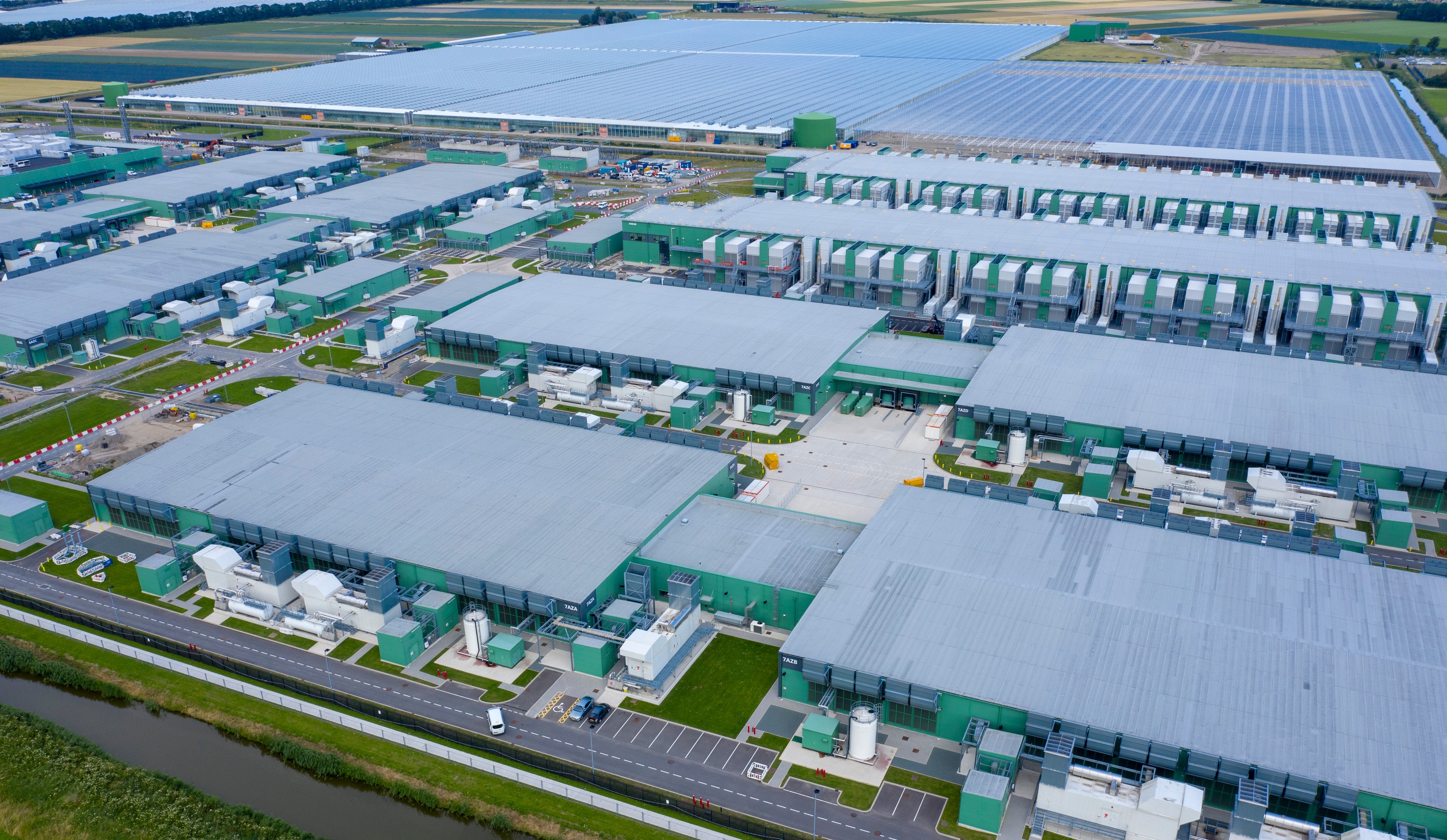
Top global brand consulting firm Interbrand's recent report "Best Global Green Brands of 2011" highlights the top 50 green brands in the world. The report was based on 82 metrics evaluating a company's environmental record and consumer perception of its environmental actions. The top five companies are pretty diverse, representing the health care, technology, and auto industries, rounded out by two conglomerates. Here's how the top five shakes out.
1. Toyota (NYSE: TM)
I'm not surprised to see Toyota at the top of this list. The company has been synonymous with green since introducing the Prius in 1997. A recent deal with Tesla (Nasdaq: TSLA) further reinforces the company's dedication to electric vehicles and environmental friendliness. This dedication yields great improvements in energy use, water consumption, and toxic emissions.
2. 3M (NYSE: MMM)
3M has actually had an environmental policy since 1975. Perhaps best known for its Post-It Notes, the conglomerate makes everything from touchscreens to sandpaper. Research scientists are hard at work developing replacement materials for the petroleum-based polymers and monomers found in hundreds of 3M products. In a nod to corporate governance, the company also ties environmental performance to monetary and non-monetary performance for employees.
3. Siemens (NYSE: SI)
Siemens, another huge conglomerate, does an excellent job of saving money by saving energy. The company's Green Buildings program saves about 23,000 megawatt-hours a year.
4. Johnson & Johnson (NYSE: JNJ)
The health-care giant is a strong advocate for environmental transparency, and it's a member of several environmental coalitions like the Healthcare Plastics Recycling Council. Every five years, Johnson & Johnson updates its environmental plan. Proving it's not all talk, J&J reduced annual CO2 emissions by 100,000 metric tons between 2005 and 2009.
5. HP (NYSE: HPQ)
Greenpeace took HP to task in 2009 for toxic substances in its product line. The company responded and took steps to improve other standards, implementing green packaging initiatives, ecosystem protection efforts, and opening an online EcoSolutions store where customers can buy green products.
Why does this matter?
Forget moralizing. Going green provides value for companies in two ways. First, it makes the brand more attractive to consumers. Consider that 95% of consumers in China -- the country every company is counting on to grow profits -- are willing to spend more on a product if it's green, compared with 60% of the rest of the global population.
Second, it saves and makes companies money. Energy is expensive and innovation is lucrative, and companies that can reduce the energy they consume for operations will save money. Companies like 3M that can innovate their way around costly materials stand to make money from new products and licensing agreements.
Steve Yang, co-CEO of Hyundai Motor (OTC: HYMTF), sums it up quite nicely:
Greenhouse gas reduction activities throughout our business sites have had a positive impact on reducing energy costs. More importantly, our efforts are creating economic value by enabling higher fuel efficiency. This cuts down customers' operating cost and reduces the CO2 emission from cars. This also increases customers' loyalty to Hyundai and plays an important role in lifting our brand value. This is the biggest reward of our green management efforts.
Foolish takeaway
There is no denying that companies can really benefit by going green, but investors can get something, too. Consider that Fool Alyce Lomax's portfolio stressing social responsibility is tops among the 16 Motley Fool Rising Star portfolios. It's time to go recycle something and add these companies to My Watchlist.