There's a world of opportunity beyond stocks, from ETFs to treasury bonds, and it's in an investor's best interest to know their options.
Here we tackle the question, "What is an ETF, and how is it different from a stock?"
ETF stands for exchange traded fund, and just like a stock, it is traded on stock exchanges such as NYSE and NASDAQ. But unlike a stock, which focuses on one company, an ETF tracks an index, a commodity, bonds, or a basket of securities.
Owning ETFs can help hedge risks associated with individual companies, and it allows investors to get involved with an entire index or industry with a single investment.
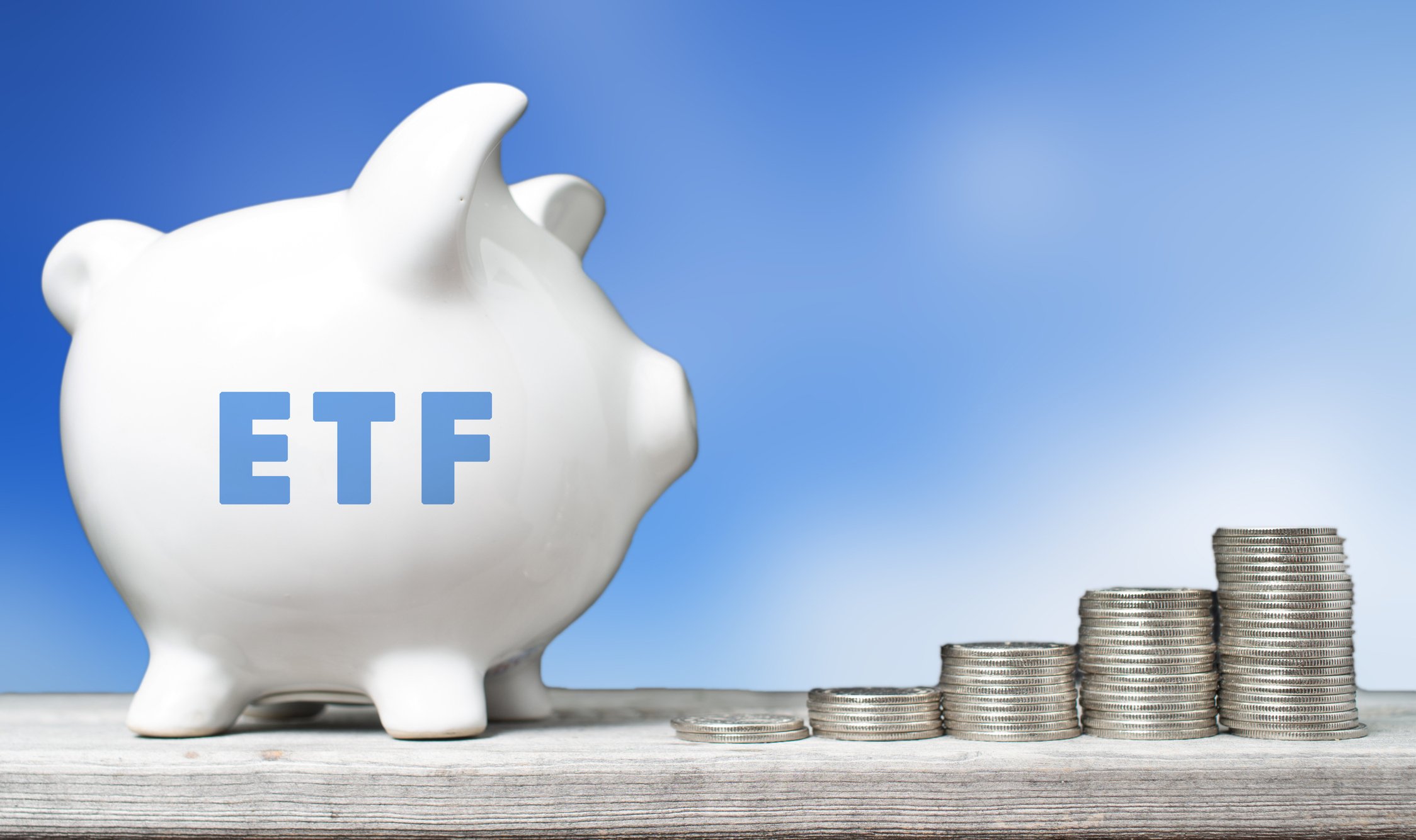
Image source: Getty Images.
Growing popularity and diversity
There are nearly 1,300 ETFs on the market and hundreds more in the works.
Several are index-based ETFs with a diverse group of unrelated industries (e.g., the S&P 500). There are also an increasing number of ETFs representing a range of specific sectors and strategies.
In recent years, specialist funds have proved most profitable to the ETF industry. They typically have a narrow focus (i.e., rare earth companies, oil, green energy, smartphones or cloud computing software) that allows investors to bet on a larger trend instead of a single company's performance.
Trading an ETF
ETF are traded just like stocks, and investors can buy as many or as few shares as they want. Prices change throughout the day, and just like ETFs, shares can also be shorted -- an investment technique that allows an investor to make money when the value of a stock falls.
Business section: Investing ideas
Interested in exploring Exchange-traded funds? Here is a list of last year's top performing funds -- click on any of the links to dig deeper. (Click here to access free, interactive tools to analyze these ideas.)
1. iShares Barclays 20+ Year Treas Bond (NYSE: TLT): The fund has gained 1.57% over the last month, and gained 34.45% over the last year.
2. ProShares Ultra 7-10 Year Treasury: The fund has gained 2.34% over the last month, and gained 33.60% over the last year.
3. PowerShares Build America Bond: The fund has gained 1.17% over the last month, and gained 21% over the last year.
4. Utilities Select Sector SPDR (NYSE: XLU): The fund has gained 0.84% over the last month, and gained 15.96% over the last year.
5. iShares Barclays 7-10 Year Treasury: The fund has gained 1.34% over the last month, and gained 15.77% over the last year.
6. Vanguard Utilities ETF: The fund has gained 0.67% over the last month, and gained 15.17% over the last year.
7. iShares Dow Jones US Utilities (NYSE: IDU): The fund has gained 0.69% over the last month, and gained 14.98% over the last year.
8. iShares Barclays TIPS Bond (NYSE: TIP): The fund has gained 0.59% over the last month, and gained 14.25% over the last year.
9. Consumer Staples Select Sector SPDR (NYSE: XLP): The fund has gained 1.52% over the last month, and gained 13.44% over the last year.
List compiled by Eben Esterhuizen, CFA. Kapitall's Eben Esterhuizen and Rebecca Lipman do not own any of the shares mentioned above. Data sourced from Finviz.