About the Author
The Motley Fool has a disclosure policy.
Invest better with The Motley Fool. Get stock recommendations, portfolio guidance, and more from The Motley Fool's premium services.

If you've recently gotten a raise, tightened up your budget, or received a financial windfall, you might find yourself with more money available than before. People in this situation often ask themselves what to do with the extra money to improve their financial situation.
There are plenty of great ways to make the most of extra cash. You'll find the best options on the list below so you can choose the ones that fit your financial needs and goals.
The first thing to do is pay off any high-interest debt. Credit card debt is the most common example. The average credit card has an interest rate of more than 20%, making most credit cards an extremely expensive way to borrow money.
You're not going to find an investment that guarantees a 20% return on your money. If you pay off a credit card charging you that much, you're effectively getting a 20% return on the money you put toward your debt.
Your emergency fund should have enough money to cover your living expenses for at least three to six months. For example, if your essential bills cost $4,000 per month, it's a good idea to have $12,000 to $24,000 in emergency savings. If yours isn't there yet, then that's a smart place to put your extra cash.
An emergency fund isn't exactly an investment, but it does help protect your investments. Without it, you risk having to dip into your portfolio to cover emergency expenses.
It's recommended to save at least 15% of your income for retirement. Even if you're already doing that, it never hurts to add more to your nest egg.
You could contribute more to a 401(k), an individual retirement account (IRA), or a Roth IRA, depending on which types of retirement plans are available to you. These accounts all have tax benefits that can help you save on taxes either now or in retirement.
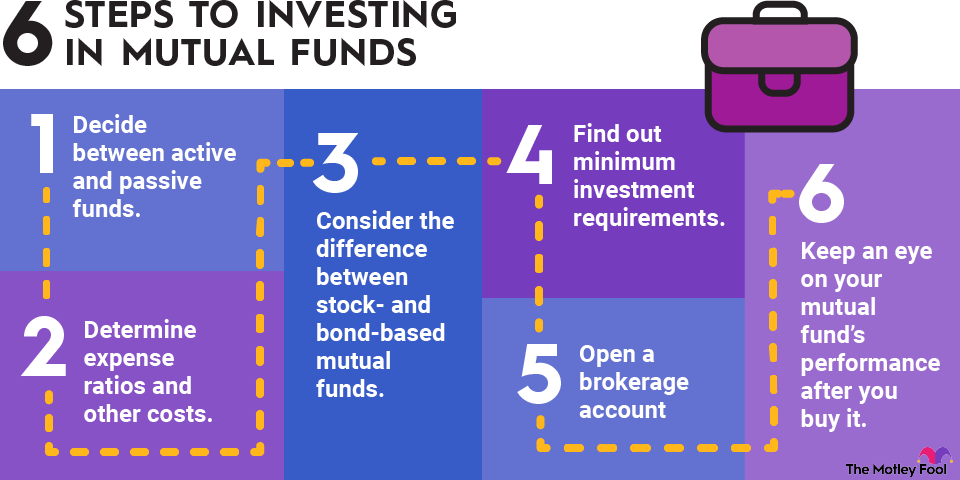
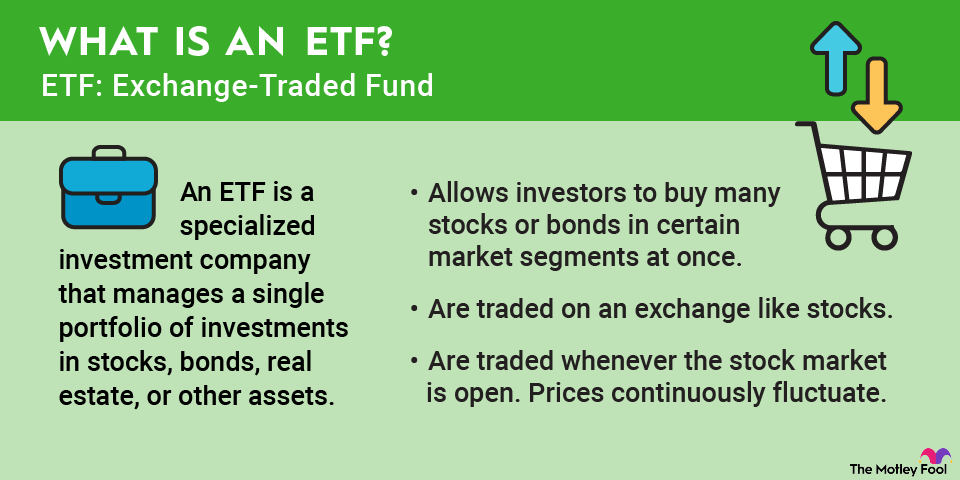
Exchange-traded funds (ETFs) are a great way to build a diversified portfolio without picking individual stocks. They include a group of stocks and/or bonds aligned with the fund's goal. For example, you could invest in a mutual fund or ETF that tracks the S&P 500.
ETFs trade the same way as stocks, with shares that fluctuate in pricing throughout the trading day. Before you invest in an ETF, check the expense ratio. This is the annual fee and can range from less than 0.1% to 1% or higher. Fees aren't everything, but they're an important factor in choosing an ETF.
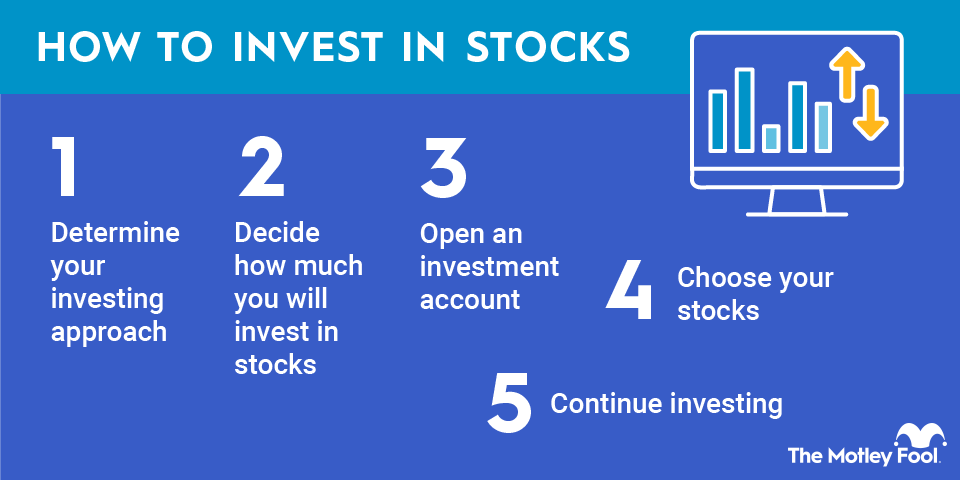
If you want to build your own investment portfolio, you can open a brokerage account and purchase individual stocks that you like.
Before you buy anything, take some time to learn how to pick a stock. Stock picking is challenging and time-consuming, so it's not something to rush into. But if it interests you and you're willing to work at it, you could do well picking your own investments.
Real estate investing has become much more accessible with the rise in real estate investment trusts (REITs). A REIT is a company that lets groups of investors pool their money and invest in real estate together.
These trusts are a more affordable way to add real estate to your portfolio. Since REITs need to pay at least 90% of taxable income to investors, they're also a fantastic choice if you're looking for dividend stocks that provide consistent passive income.
If you're looking for a relatively safe place to put your money, you can invest in bonds. A bond is an asset offered by a government or corporation to raise money. In return, investors receive a fixed interest rate.
When you buy a bond, you typically receive interest payments twice a year. You also get your original investment back on the bond's maturity date. Alternatively, you can sell the bond early if the value has increased since you bought it.
Many banks offer bonuses to attract new clients. Each offer includes an amount and requirements to earn the bonus. For example, a bank could offer a $300 bonus if you open an account and have at least $3,000 in direct deposits in the first three months.
Bank account bonuses are a safe moneymaking opportunity that many consumers don't know about. If you don't mind opening a new bank account and can meet the terms of the deal, it's an easy way to boost your savings.
Cryptocurrencies are digital currencies that use cryptography for their transaction records. Bitcoin is the first and most well-known, but there are now thousands of cryptocurrencies you can buy.
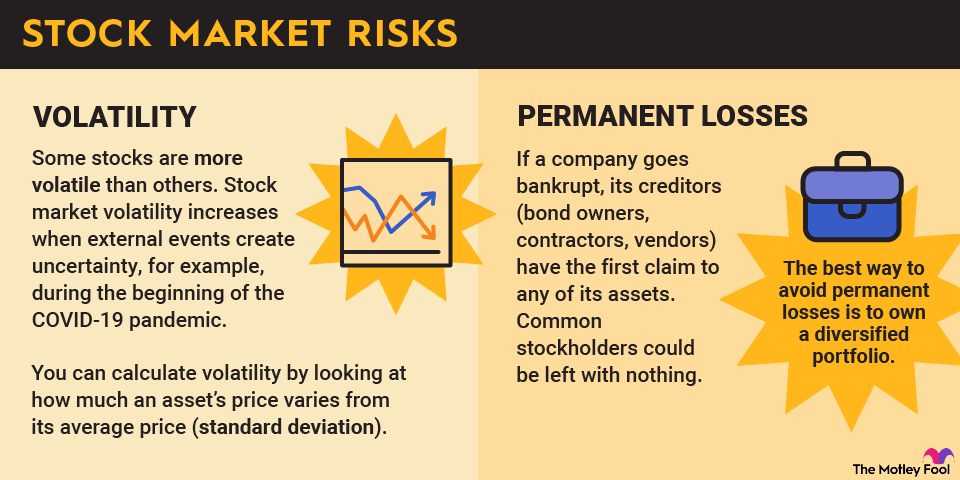
If you want a high-risk, high-reward investment, cryptocurrencies fit the bill. They're extremely volatile and shouldn't be a big part of your portfolio because of the risk involved, but they're an exciting option for investing a little extra cash.

You don't need to put every last dollar toward building wealth. It's also a good idea to spend on yourself. You could put more money into a hobby, save up for a vacation, or make a big purchase you've been putting off.
There's nothing wrong with rewarding yourself for your hard work. It's important to strike a balance between financial responsibility and using your money to improve your quality of life.