The State Street Technology Select Sector SPDR ETF (XLK +2.37%) and the Roundhill Investments Generative AI & Technology ETF (CHAT +1.94%) differ sharply on cost, recent performance, sector focus, and risk profile, with CHAT leaning into artificial intelligence themes and showing much higher recent returns and volatility.
Both the State Street Technology Select Sector SPDR ETF (XLK) and the Roundhill Investments Generative AI & Technology ETF (CHAT) are technology-focused exchange-traded funds, but their approaches and exposures differ. XLK offers broad coverage of the U.S. technology sector, while CHAT is an actively managed fund with a generative artificial intelligence emphasis, including an ESG screen. This comparison highlights how the two stack up on cost, returns, risk, portfolio tilt, and other key factors.
Snapshot (cost & size)
| Metric | XLK | CHAT |
|---|---|---|
| Issuer | SPDR | Roundhill Investments |
| Expense ratio | 0.08% | 0.75% |
| 1-yr return (as of 2026-03-24) | 25.1% | 67.6% |
| Dividend yield | 0.56% | 2.6% |
| Beta | 1.23 | 1.55 |
| AUM | $86.0 billion | $1.1 billion |
Beta measures price volatility relative to the S&P 500; beta is calculated from five-year monthly returns. The 1-yr return represents total return over the trailing 12 months.
CHAT charges a much higher expense ratio than XLK, but it also provides a higher dividend yield, which may appeal to those seeking income from a tech-focused fund.
Performance & risk comparison
| Metric | XLK | CHAT |
|---|---|---|
| Max drawdown (2 y) | (25.66%) | (31.35%) |
What's inside
CHAT invests in companies positioned to benefit from generative artificial intelligence and related technologies. With 52 holdings, it is more concentrated than many broad tech funds and uses an ESG screen. Its top positions as of March 2026 include Alphabet (GOOGL +4.79%), Nvidia (NVDA +1.30%), and Minimax Group, reflecting a mix of U.S. and international exposure. Over nearly three years since launch, CHAT has focused on technology (73%), but also includes Communication Services (19%) and Consumer Cyclical (6%) -- a notable tilt away from pure tech.
XLK, by contrast, tracks the Technology Select Sector Index and holds 73 names, concentrating on U.S. tech giants. Its top holdings are Nvidia (NVDA +1.30%), Apple (AAPL 0.72%), and Microsoft (MSFT 1.13%), with over 99% of assets in technology. XLK offers a more traditional sector allocation without thematic or ESG overlays.
For more guidance on ETF investing, check out the full guide at this link.
What this means for investors
For investors looking for an ETF to invest in the hot field of artificial intelligence, both the State Street Technology Select Sector SPDR ETF (XLK) and the Roundhill Investments Generative AI & Technology ETF (CHAT) offer this. Choosing between them comes down to individual investor goals.
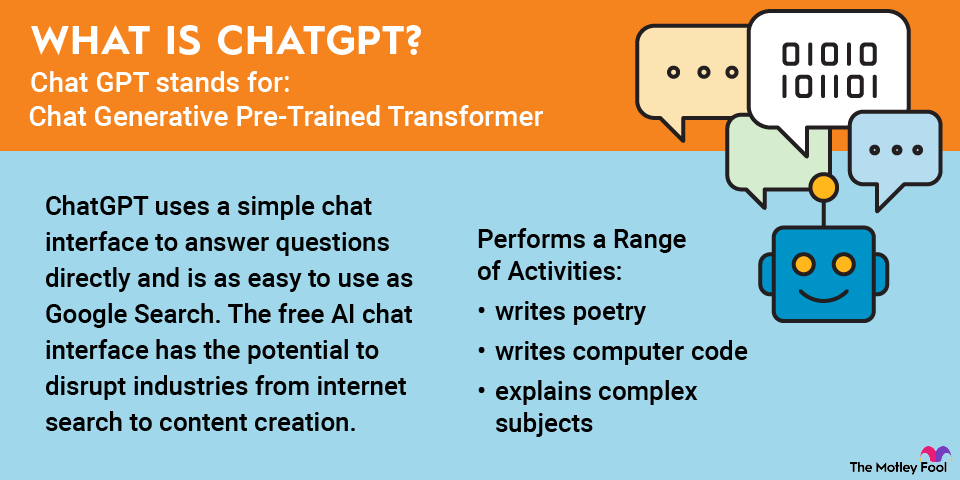
CHAT is the ETF for those who want to focus exclusively on AI stocks. CHAT’s impressive one-year performance highlights the benefit of this approach. However, in 2026, AI stocks have been hit hard as Wall Street reevaluates the lofty valuations AI companies have enjoyed since the launch of ChatGPT in 2022. This may cause CHAT’s future returns to suffer until the AI sector bounces back.
XLK avoids some of the high risk, high reward profile seen in CHAT by investing more broadly across tech stocks. But because it holds top technology companies in its portfolio, and many of these are key drivers of the AI market such as Microsoft and Nvidia, you still get ample artificial intelligence exposure at a much lower expense ratio.
Ultimately, CHAT is for investors with a high risk tolerance seeking pure AI stocks, while XLK is for those who want to invest in AI without taking on too much risk.