Image source: The Motley Fool.
Date
Tuesday, April 28, 2026 at 10 a.m. ET
Call participants
- President and Chief Executive Officer — Kevin M. Hourican
- Interim Chief Financial Officer — Brandon Sewell
- Vice President of Investor Relations — Kevin Kim
Takeaways
- Total revenue -- $21 billion, reflecting 4.7% growth, led by local, specialty, national, and international segment expansion.
- Adjusted earnings per share (EPS) -- $0.94, in line with guidance, including a $63 million headwind from lapping lower incentive compensation, equating to an approximate $0.10 per share impact.
- Gross profit -- $3.8 billion, up 6.5%, with gross margin expanding by 31 basis points to 18.6% compared to last year.
- U.S. local case volume -- Up 3.3%, a 210 basis point improvement over the prior quarter, delivering the strongest growth in three years.
- U.S. foodservice segment (USFS) operating income -- Adjusted operating income increased by 5.1%, while total foodservice volumes rose 2.3%.
- International segment performance -- Sales grew 12.4%, local case volume increased 3.8%, adjusted operating income climbed 12.5%, and gross profit rose 14.6%.
- SYGMA segment -- Sales increased 2.5%; operating income up 5.9% due to supply chain strength.
- Free cash flow (year-to-date) -- $1.1 billion, representing 19% growth, boosted by operational momentum and typical seasonality.
- Adjusted EBITDA -- $970 million, up 0.1% compared to last year, capturing margin expansion and cost discipline.
- Net debt leverage ratio -- Ended quarter at 2.80x, maintaining investment-grade profile ahead of planned transaction deleveraging.
- Annual guidance for adjusted EPS -- Management reiterated full-year expectation at the high end of the $4.50 to $4.60 range despite a $100 million compensation headwind and suspension of $800 million share repurchases.
- Q4 local case growth outlook -- At least 2.5% growth targeted, a 120 basis point improvement on a two-year stack versus the prior quarter.
- Dividend growth -- Estimated $1 billion payout for the year, equating to a 6% annual increase; quarterly dividend raised to $0.55 per share for fiscal year 2027 (period ending June 26, 2027).
- Restaurant Depot acquisition -- Announced $29.1 billion transaction targeting the leading U.S. cash-and-carry foodservice supplier; expected to close by third quarter of fiscal year 2027 and deliver $250 million in annualized net cost synergies by year three.
- Restaurant Depot 2025 financials -- Approximately $16 billion in revenue, $2 billion EBITDA (13% margin), and less than 1% of sales as capital expenditures, with $1.9 billion in unlevered free cash flow.
- Combined company pro forma impact -- Projected to increase Sysco's revenue by approximately 20%, adjusted EBITDA by approximately 45%, and free cash flow by approximately 55%, with margin expanding 150 basis points to 6.7%.
- EPS accretion expectations from deal -- Management forecasts mid to high single-digit accretion in year one and low to mid-teens in year two.
- Deleveraging plans -- Net leverage expected at 4.5x at closing, targeting a reduction to 3.5x within 24 months and a glide path to 2.75x thereafter, supported by $3 billion in term loans and $1 billion in upcoming maturities.
- Q4 adjusted EPS outlook -- Guidance set at approximately $1.51, inclusive of an $11 million incentive compensation impact and ongoing cost savings measures.
- Projected Q4 interest and corporate expenses -- Adjusted interest expense forecast at $175 million to $180 million; tax rate for the year expected at 23% to 23.5%; adjusted depreciation and amortization for the year set at $820 million.
- New store expansion plan -- Management plans five to six net new Restaurant Depot locations annually for twenty-five years, targeting more than 125 new geographies as part of the growth strategy.
- Share repurchase suspension -- Share buybacks paused to preserve capital flexibility in preparation for the Restaurant Depot acquisition.
- Cost savings initiative -- $60 million in annualized run rate organization-wide savings identified, with partial benefit starting in the fourth quarter and full carryover into fiscal year 2027.
- Restaurant Depot first quarter 2026 performance -- Management received advisement that volume growth was 4% and operating margins were "in line with expectations."
- AI360 sales enablement -- Increased usage resulted in measurable new customer wins, improved retention, and greater sales productivity, supporting sequential volume growth.
Need a quote from a Motley Fool analyst? Email [email protected]
Risks
- CEO Hourican flagged integration risks for the Restaurant Depot transaction, stating, "Any transaction of this size does come with integration risks, risks that we will carefully manage through a talented Integration Management Office."
- Adjusted operating expenses increased 51 basis points as a percent of sales due to lapping a $63 million prior-year incentive compensation and ongoing investments in headcount and infrastructure.
- Sustained negative traffic trends to national chain restaurants resulted in volume declines for that channel, directly attributable to "traffic declines that are being experienced in the industry."
- Restaurant Depot financial information transparency was cited as a market concern, with Hourican noting, "Restaurant Depot was an unknown entity being the fact that it was a privately held company."
Summary
Sysco (SYY +0.72%) reported robust revenue and margin expansion, highlighted by notable growth in local and international segments while maintaining financial discipline and reaffirming its high-end annual adjusted EPS guidance. The company formalized plans to acquire Restaurant Depot in a $29.1 billion transaction, targeting transformational synergies, accelerated growth, and meaningful margin accretion. Management articulated a structured, multi-year deleveraging strategy, underpinned by strong free cash flow and a disciplined approach to capital allocation, including the suspension of share repurchases. Enhanced productivity from AI-driven sales tools and organization-wide cost savings support the outlook for further volume and earnings momentum. Investors were provided additional disclosure on Restaurant Depot’s recent business trends and integration planning was emphasized as a near-term focus area.
- Management described the Restaurant Depot acquisition as "immediately accretive" and "in the top quartile of deals from a year one and year two earnings accretion perspective."
- Sysco's local revenue is expected to increase by one and one-half times following the Restaurant Depot acquisition, significantly enhancing enterprise margins and local market penetration.
- Leadership referenced the resilience and consistency of Restaurant Depot's historical performance, stating it has delivered "thirty consecutive years" of profit growth and expanded revenue in "twenty-eight out of thirty years."
- The deal’s modeled synergies are based solely on procurement and new store growth, with upside from revenue cross-selling opportunities not included in accretion targets.
- Warehouse productivity "is nearing 2019 levels," with management targeting further operational improvements ahead.
- A $1 billion dividend payout was confirmed, and a quarterly increase to $0.55 per share was approved for the upcoming fiscal year ending June 26, 2027.
- Sysco projects fiscal year 2026 net sales of $84 billion to $85 billion, driven by approximately 2% inflation, volume growth, and prior M&A contributions.
- Corporate expense optimization is in progress, with $60 million in annualized savings actions identified for implementation starting in the fourth quarter.
- Restaurant Depot will remain a distinct operating segment under current leadership to manage integration risk and preserve its proven model.
Industry glossary
- Cash-and-carry: A self-service wholesale model where customers purchase goods directly from physical warehouse locations and transport them themselves, minimizing delivery and sales staffing costs.
- Local case volume: The measure of units or cases sold to smaller, independently operated restaurant and foodservice customers within a locally defined territory, distinct from national or contract accounts.
- AI360: Sysco’s proprietary AI-enabled sales enablement platform used to improve salesforce onboarding, productivity, and personalized customer targeting, supporting incremental case penetration.
- SYGMA: A Sysco business segment specializing in customized supply chain solutions for chain restaurant customers, separate from core broadline distribution.
Full Conference Call Transcript
Kevin Hourican: Good morning, everyone, and thank you for joining us today. I'm pleased to report that Sysco delivered strong results in the third quarter of fiscal 2026. Our results were enabled by improving case volume trends, strengthening gross margin performance and disciplined operational execution. We delivered our progress improvement in a continued choppy macro environment. Given our positive momentum, we remain confident in our expectations for full year adjusted EPS to be at the high end of our annual guidance range of $4.50 to $4.60. Most notably, we delivered 3.3% local volume growth in our U.S. business, a 210 basis point improvement versus the prior quarter and our strongest quarter local volume growth in 3 years.
We have clear momentum in our local business, and we have confidence that we will continue to post strong local results in Q4 and into fiscal 2027. While our primary focus for today's call will be the underlying strength of our core business, we will also discuss the strategic rationale surrounding our entry into the cash-and-carry space with our recently announced planned acquisition of Jetro Restaurant Depot. After my remarks, Brandon will highlight our financial outcomes and share his thoughts on the financial merits of the Jetro Restaurant Depot transaction. Before I begin, I would like to formally introduce our Interim Chief Financial Officer, Brandon Sewell.
Although Brandon may be a new name to many listening to the call today, he has been an important senior leader within Sysco for the past 12 years. Most recently, Brandon served as CFO of Sysco's largest segment, our U.S. Foodservice business. Prior to the U.S. CFO role, Brandon held several senior leadership roles across the organization spanning global financial planning and analysis, merchandising and supply chain. He will work closely with our executive leadership team to ensure continuity and disciplined execution of Sysco's financial strategy as we conduct a full search for a permanent CFO across internal and external channels.
As I've shared with many of you over the recent weeks, Brandon is a very strong candidate for the permanent role. In the meantime, we are thankful and appreciative to have his expertise and leadership as a steadying hand and expert in our business. Brandon, thank you for your leadership. Let's jump into our business results, starting on Slide #4. From a top line perspective, Sysco delivered nearly $21 billion of total revenue, a growth rate of 4.7% versus the prior year. These revenue results reflect positive and accelerating case growth across our local, specialty, national and international business units.
From a bottom line perspective, we delivered adjusted earnings per share of $0.94, which was in line with our expectations and inclusive of the previously discussed $63 million headwind related to lapping lower incentive compensation in the prior year, reflecting an approximate impact of $0.10 per share. Our revenue growth was fueled by improving volume trends across our business, but most notably by our USFS local case volume. Overall foot traffic to restaurants remains challenged, and Sysco is improving our performance due to selling initiatives within our direct control.
Gross profit was up 6.5% year-over-year, and when excluding the $63 million in incentive compensation headwind, our operating income and operating income margin would have expanded on a year-over-year basis, while our adjusted EPS would have expanded to be in line with or slightly better than our long-term earnings growth algorithm. Looking at our underlying momentum in this way gives Brandon, our leadership team and me the confidence in the trajectory of our core business. We are encouraged by our results overall as our teams delivered strong volume growth in a soft restaurant traffic environment. Per Black Box, traffic to restaurants was down approximately 1.9% in the quarter.
Sysco's improved performance is being generated by increased sales colleague retention and increased colleague productivity. Our sales colleagues delivered our fourth consecutive quarter of improvement in new customer win rates. We are able to take share and grow profitably even in a market with soft overall conditions due to our sales colleague training initiatives and sales enablement tools that are increasing colleague productivity. Specifically, AI360 is improving new colleague onboarding, and it is helping colleagues of all tenures increase their selling effectiveness. When coupled with our customer growth programs like Sysco Your Way and Perks 2.0, Sysco was improving how we serve our customers. Our progress in local volume can be clearly seen on Slide 8 in our presentation.
Looking ahead in our fourth quarter, we expect to deliver at least 2.5% of local volume growth. To be clear, posting a volume growth of 2.5% in our fourth quarter would equate to a 120 basis point improvement versus Q3 on a 2-year stack basis, a clear continued acceleration in overall business outcomes. Importantly, we are now growing our local business faster than our overall business, which is very helpful to the overall operating margins of the company. Turning the page to our national contract business. During our third quarter, our national business generated case volume growth of 1.4%. We delivered strong growth in our health care, travel and hospitality, and foodservice management businesses.
The positive growth from these businesses was partially offset by softness in our national restaurant segment. The declining foot traffic to restaurants per Black Box has disproportionately affected our national chain restaurant customers and can be seen in our results as volume with these customers was down year-over-year. For the fourth quarter, we expect case volume growth for national contract customers to improve versus Q3, driven by continued strength in our nonrestaurant business and onboarding of net new customer wins in the national restaurant customer business. Turning to our International segment. We are very pleased with the performance being delivered by our International team. The momentum in our International business was fueled by every International geography.
To that end, local case growth in our International segment was up 3.8% in the quarter. This growth is being generated by expanded supply chain capacity, increased availability of Sysco Brand and merchandise, increased sales headcount and easier-to-use technology. This strong demand, coupled with disciplined expense management, delivered adjusted operating income growth of nearly 13%. Impressively, this represents the tenth consecutive quarter of double-digit operating income growth and highlights the continued strength of Sysco International as a growth engine within the company.
Before turning the call over to Brandon, I want to highlight some of the key points tied to our previously announced agreement to acquire Jetro Restaurant Depot, the leading cash-and-carry foodservice supplier in the United States, as well as provide a brief update on the recent performance of that business. The acquisition of Restaurant Depot is a bold new chapter of profitable growth for Sysco, one that creates a combined company that is expected to grow faster, be more profitable and return more value to shareholders than a stand-alone Sysco.
Most importantly, we will increase our ability to help save restaurants money with a more efficient buying program and by expanding Restaurant Depot's low-cost leader format to 125-plus net new geographies over time. Our 2 companies are better together, and our end customers will benefit. The cash-and-carry channel is large, growing and resilient, with an approximately $60 billion to $70 billion total addressable market. Restaurant Depot is the leader in the channel with a best-in-class format that serves smaller customers that are seeking value, freshness and convenience. Restaurants tend to choose which channel they prefer first, and they select a business partner within their channel.
Customers seeking savings and the ability to pay with cash or a credit card find the Restaurant Depot one-stop shopping environment very compelling. Sysco serves a larger customer that is seeking delivery and the support of an in-person sales colleague. These customers desire the convenience of delivery and the high-trust service that comes with our dedicated and well-trained sales force. Our sales consultants provide restaurant advice, culinary suggestions and even menu price optimization suggestions. The minimal overlap between these 2 customer types creates clear separation between the 2 channels. With that said, our new company will be able to serve more restaurant operators, reach more purchasing occasions, and provide savings to more customers when we are a combined entity.
From a financial perspective, Sysco will gain access to a large, resilient and growing new channel customers that is entirely local. I'd like to spend some time sharing initial examples of our 2 companies will be better together: increasing enterprise profitability and improving how we serve local customers. The first benefit is in purchasing efficiency. We will deliver $250 million of net cost synergies through the transaction. I want to be very clear that we do not intend to reduce headcount at either company as a result of the transaction. The cost synergies will come from buying products and services more cost effectively than we do today.
By combining our volumes, we can be more efficient for Sysco and for our supplier community. As a result, we will buy better. We are extremely confident in our ability to deliver against this cost reduction target. The second benefit will be generated through revenue synergies across 2 companies. As I said in the deal announcement, revenue synergies beyond opening new stores are not included in the accretion targets of the deal model. But first, let me address the new store opening opportunity.
We have completed a thorough analysis of the geographic white space opportunity for new Restaurant Depot locations, and we are very confident in our ability to open 5 to 6 net new stores per year for the next 25 years. Or stated differently, we are extremely confident that the core U.S. market can easily accommodate 125 net new Restaurant Depot locations over time. Many of these locations can be served directly by Restaurant Depot's effective and efficient supply chain, and select new store locations will be enabled by leveraging Sysco's vast inbound supply chain capabilities.
By opening 125 net new Restaurant Depot locations, we will bring the low-cost leader format of restaurant supplies to more customers, saving tens of thousands of restaurants money, and we will create thousands of new jobs in the process. The opening of these 5 to 6 new stores per year is included in our modeled assumptions to support Restaurant Depot's core revenue growth. Beyond opening new stores, I would like to highlight additional vectors of growth enabled by our combination. The upside from these concepts is not included in the accretion figures that we have shared with you. The first example is cross-selling each other's expansive product assortments.
Restaurant Depot has a compelling opening price point product line that has been developed across decades. There are many Sysco delivery customers that would like to buy these products, and they would like to have them delivered on their existing Sysco order. For instance, a customer could be buying premium protein and premium produce, but they are less particular on select frozen products. Offering these delivery customers a lower price tier of merchandise would equate to incremental cases on existing deliveries. Those that know this industry well understand that the most profitable case is the incremental case added to an existing delivery.
To avoid trade-down cannibalization, we can target customers with personalized offers and provide those offers to customers who are not buying from within a given product category. Next up is an even bigger idea. Sysco's primary delivery customer receives approximately 2 deliveries per week. Running a restaurant is a dynamic business, and our customers often run out of products between their Sysco deliveries. Sysco today does not have a cost-effective solution to meet those spur-of-the-moment needs. And as a result, our customers are forced to take action on their own and oftentimes are buying items across a wide array of retail options.
By partnering with Restaurant Depot, Sysco's sales colleagues will be better able to solve the needed now customer scenario. Concepts like click-and-collect or same-day delivery from Restaurant Depot locations will be a tool in our sales teams arsenal to meet these customers' needs. As we continue to open new stores, the Restaurant Depot store location will become an increasingly convenient asset to be leveraged. One more example is how Sysco can help Restaurant Depot customers. As small customers find success in their business, they oftentimes open a second or a third location.
By partnering with Sysco, Restaurant Depot can provide these growing customers seamless engagement across the 2 purchasing channels, delivery from Sysco when they want it and cost savings at the store when they have time to shop for themselves. We will develop a loyalty program that rewards our customers, big and small, for the incremental purchases that they make across our multichannel format. Buy more, save more. It will be simple to understand and we will reward customers for purchasing growth regardless of channel. By combining Sysco and Restaurant Depot, our business will be able to provide the type of service a customer is looking for when they need it, at a price point they desire to pay.
Together, we will become a nationwide omnichannel food service provider that grows our business profitably. This transaction meaningfully expands our penetration of the local customer segment, the most profitable segment in Foodservice. Restaurant Depot's business is 100% local. The acquisition is expected to increase Sysco's local revenue by 1.5x, increasing our enterprise margins. Lastly, as I mentioned on the announcement call, cash-and-carry is a very resilient channel. During every economic downturn, cash-and-carry has taken share from the overall market. Why? Because restaurant operators seek to save money in those times, and Restaurant Depot is their 100% best way to save money while getting everything they need in a one-stop shopping environment. Gaining access to cash-and-carry increases Sysco's profitability and resilience.
Any transaction of this size does come with integration risks, risks that we will carefully manage through a talented Integration Management Office. Most importantly, Restaurant Depot will be run as a stand-alone segment within broader Sysco. It will continue to be run by Richard Kirschner, its longtime CEO, and Richard's existing and talented leadership team. They will make all key decisions on how the cash-and-carry business will be run. There will be limited technology integration as Restaurant Depot was a retail storage business. There's no need for us to rip and replace key enterprise software that successfully runs Restaurant Depot today.
From a culture perspective, our 2 companies are excited for how we can work together and engage on what I call pull, not push, growth opportunities. Sysco will help Restaurant Depot on topics where we can help, like opening new store locations, and Restaurant Depot will most certainly be able to help Sysco better serve that needed-now customer purchasing occasion. As I said in my introduction, the new company will grow sales faster, be more profitable and will return more value to our shareholders than a standalone Sysco. As Brandon will explain in a few moments, the deal is immediately accretive and is in the top quartile of deals from a year 1 and year 2 earnings accretion perspective.
In a moment, Brandon will explain our commitment to quickly reduce our debt level. In summary, this transaction is good for our shareholders in the short, medium and longer-term time horizons. Looking ahead, we understand that investors want to learn about Restaurant Depot, including how Restaurant Depot is performing. We expect the deal to close by approximately Q3 of fiscal 2027. Between now and then, we will provide periodic updates on the performance of Restaurant Depot. To that end, we have been advised by Restaurant Depot that in their most recently completed calendar quarter, their volume growth was approximately 4% and their operating margins were in line with expectations.
In closing, I want to reiterate that we are encouraged by the strong results of our core business. Our leadership team is committed to delivering at least 2.5% local case growth in the fourth quarter and adjusted EPS results at the high end of our annual guidance range. We will continue to deliver strong results as we prepare to create a bold new chapter of growth with Restaurant Depot as a part of the broader Sysco family. With that, I'd now like to turn the call over to Brandon. Brandon, over to you.
Brandon Sewell: Thank you, Kevin. I'm honored to be in this role and genuinely excited to get to work. Many of you know that I worked closely with Kevin and the IR team here for many years, and look forward to connecting with our analysts and shareholders going forward. Importantly, our priorities have not changed. We are focused on executing our strategy, maintaining the financial discipline that has defined Sysco for years and continuing to deliver value for our shareholders. I'm proud of the operational momentum in our USFS segment where I was most recently CFO. I understand the importance of strong, consistent delivery of financial results, and going forward, I'm excited to add value to Sysco through the lead finance role.
We have substantially improved our local case performance over the past year and know how important this KPI is to our shareholders. We plan to maintain the positive momentum in our underlying business at Sysco. In addition, we expect to successfully execute the Restaurant Depot transaction, maintain a laser-like focus on cash optimization ahead of the anticipated closing date, and then rapidly and deliberately delever our balance sheet by at least 1 turn over the first 2 years post acquisition, as seen on Slide 19. As part of our acquisition debt structure, we have built in $3 billion of term loans and $1 billion of upcoming debt maturities to ensure ample prepayable debt that will facilitate this deleveraging.
This is our commitment, and we are confident in our ability to achieve it. With that, let me turn to the quarter. Our Q3 results included sales growth of 4.7%, an accelerated rate of volume improvement, continued margin management and adjusted EPS that was in line with previously communicated expectations of $0.94. Importantly, our largest and most profitable USFS segment delivered a step-up in top line growth and, as previously communicated, grew adjusted operating income by 5.1%. Additionally, free cash flow grew 19% year-to-date. We expect strong year-over-year growth for the full year, positioning us well in our cash optimization efforts.
As Kevin highlighted, we're experiencing the benefits from structural improvements, especially as retention and productivity of our sales force continues to improve. With 1 quarter left to go, we plan to finish strong, and we remain confident in delivering our FY '26 guidance. Q3 benefited from continued tailwinds from our strategic sourcing initiatives, contributing to 6.5% gross profit growth and 31 basis points of gross margin expansion year-over-year. This performance also reflects favorable mix benefits, with stronger volume from local customers and sequentially improved mix from Sysco Brand penetration rates. Specific to local volumes, our stabilized sales colleague retention and incremental productivity improvements helped drive sequential volume growth across local and national customers.
Importantly, our supply chain continued to deliver productivity improvements and performed at an exceptional level, anchored by improved fill rates and order accuracy and improved safety performance. Additionally, warehouse productivity across our supply chain is nearing 2019 levels, and we expect further positive momentum going forward. Turning to International. This segment remains a great example of the power of the Sysco playbook. The positive momentum over the past few years continued in Q3, with sales growth of 12.4%, including local case growth of 3.8%, gross profit growth of 14.6% and adjusted operating income growth of 12.5%. Our strategy is driving results with this quarter marking our tenth consecutive quarter of delivering double-digit improvements in adjusted operating income.
Now let's discuss our performance and the financial drivers for the quarter. Starting on Slide 13, for the third quarter, our enterprise sales grew 4.7%, driven by growth across all segments. Total U.S. Foodservice volumes increased 2.3%, while local volume increased 3.3% in the quarter. This marked our strongest rate of local case performance since Q1 of 2023. Additionally, SYGMA results this quarter were solid, reflecting 2.5% sales growth and 5.9% operating income growth, reflecting increased strength in our supply chain operations. Sysco produced $3.8 billion in gross profit, up 6.5%, gross margin expansion of 31 basis points to 18.6%, and improved gross profit per case performance.
This notable margin expansion reflects the impact of our strategic sourcing efforts, sequential improvement in Sysco Brand, driven by customer mix, incremental progress in our value tier offerings and effective management of product cost inflation across our category baskets. During the quarter, inflation rates for the enterprise were approximately 2.8%, and in USPL were approximately 0.5%. These rates moderated slightly on a sequential basis, which we believe will help with product affordability across the industry.
Overall, adjusted operating expenses were $3 billion for the quarter or 14.8% of sales, a 51 basis point increase from the prior year, reflecting the lapping of $63 million in incentive compensation from the third quarter of the prior year and planned investments in sales headcount in higher growth areas of the business [ with ] fleet and building expansions. This is an important point. The incentive compensation lap negatively impacted adjusted operating expense growth by approximately 240 basis points, and adjusted EPS growth by approximately 1,100 basis points on a year-over-year basis. Corporate adjusted expenses were up 31.1% from the prior year, primarily driven by the previously disclosed incentive compensation from last year.
Overall, adjusted operating income was $768 million for the quarter. For the quarter, adjusted EBITDA of $970 million was up 0.1% versus the prior year. Let's now turn to our balance sheet and cash flow. Our investment-grade balance sheet remains robust and reflects a healthy financial profile. We ended the quarter at 2.80x net debt leverage ratio. Turning to our cash flow year-to-date, our free cash flow was $1.1 billion, up 19%, highlighting strong quality of earnings and reflecting both typical seasonality and timing of CapEx. Before we turn to guidance, I would like to briefly recap the financial details of the planned Restaurant Depot acquisition.
As Kevin highlighted, we recognize Restaurant Depot as a best-in-class financial asset and are very excited about the transaction. In calendar year 2025, the business generated approximately $16 billion in revenue and $2 billion in EBITDA at a 13% margin, significantly above foodservice industry averages. This strong margin profile reflects the compelling concentration around Restaurant Depot's local customers, which show very little overlap with existing Sysco customers. The company's CapEx is less than 1% of sales. which includes both maintenance and growth CapEx. As seen on Slide 10, unlevered free cash flow is approximately $1.9 billion, with high conversion due to its profile of having negative net working capital and limited CapEx.
To put that in perspective, this is a business that generates substantial cash with very little reinvestment required to sustain it. That profile is rare, and it is exactly the kind of asset that strengthens the balance sheet over time. On a pro forma basis, the combination increases Sysco's revenue by approximately 20%, adjusted EBITDA by approximately 45% and free cash flow by approximately 55%. The EBITDA margin of the combined company would expand by approximately 150 basis points, to 6.7%, inclusive of annualized net cost synergies, and meaningfully widen our gap versus our peers. From an accretion standpoint, we expect mid to high single-digit EPS accretion in year 1 and low to mid-teens in year 2.
We have confidence in line of sight into the $250 million in annualized net cost synergies, which achieved full ramp by year 3. Additionally, the only revenue synergies modeled are from the expected annual store opening plan of 5 to 6 net new stores per year, which is in line with the company's historical growth. By year 4, the combined business is expected to generate more than $2 billion in incremental annual free cash flow. This level of cash generation would fundamentally expand our future capital allocation flexibility, accelerate our balance sheet deleveraging, support dividend growth, enable share repurchases and create capacity for future M&A without requiring new debt.
The transaction is valued at $29.1 billion and will be funded through a combination of cash and approximately 91.5 million shares of Sysco stock. In preparation for this transaction, we are preserving cash levels by suspending share repurchase and remaining disciplined with capital expenditures. We will be prepared for the post-close period where we expect net leverage to be approximately 4.5 turns. We're committed to rapid deleveraging, reducing net leverage to approximately 3.5 turns within the first 24 months. After that, we see a glide path over time to return to 2.75 turns net leverage. Now let's turn back to expectations for the remainder of the year. We are pleased to reiterate our expectations for FY '26 adjusted EPS guidance.
We continue to expect full year 2026 EPS to be at the high end of our prior range of $4.50 to $4.60. Keep in mind that this continues to include an approximate $100 million headwind from lapping lower incentive compensation in fiscal 2025, an impact of roughly $0.16 per share. Excluding the negative impact of the incentive compensation on 2026, our outlook for adjusted EPS growth in FY '26 will deliver at the high end of approximately 5% to 7%, which is in line with our long-term growth algorithm. Notably, we are reiterating our guidance for adjusted EPS even after suspending our anticipated share repurchase plans of approximately $800 million for the remainder of the year.
For added context, our approximate $800 million of share repurchase would be worth approximately $0.10 to adjusted EPS on an annualized basis. Our guidance also includes continued expectations for net sales growth of approximately 3% to 5%, to approximately $84 billion to $85 billion, driven by inflation of approximately 2%, volume growth and contributions from M&A from earlier in the year. Specific to volumes, we expect to deliver year-over-year local case growth of at least 2.5% in Q4. We have visibility to the financial contribution from Sysco-specific initiatives, and this positive momentum in local represents a step-up on a 2-year stacked basis compared to Q3 of approximately 120 basis points.
As it relates to corporate expenses, we've identified an action against $60 million of run rate cost savings through organization-wide spending optimization and efficiency activities. This is an incremental update. The savings will begin in Q4, with carryover benefits across 3 quarters of FY '27. This benefit to Q4 is already included in our guidance range and helps offset the impact of our previously disclosed lower share repurchase plans for the year. We remain comfortable delivering adjusted EPS at the high end of our range. For Q4, our current view is for adjusted EPS to be approximately $1.51. This includes the carryover impact from the incentive compensation specific to Q4 of $11 million, as outlined on Slide 20.
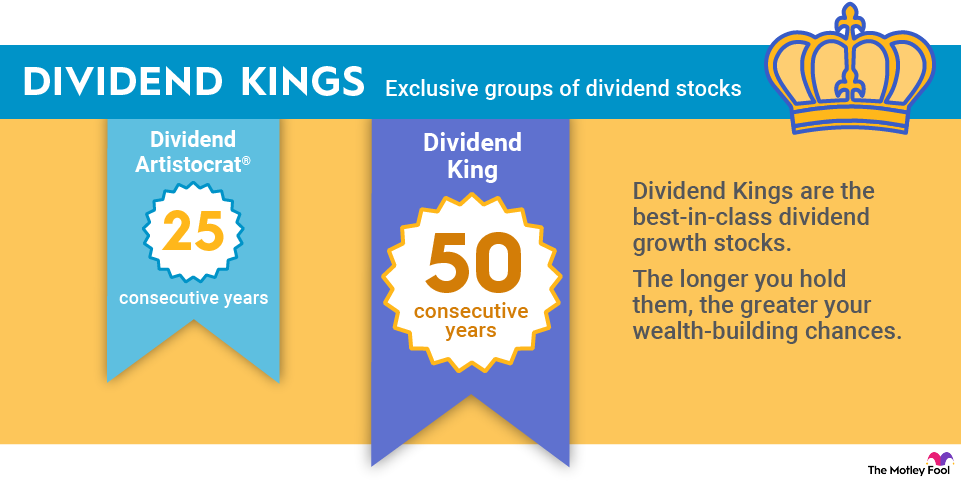
We are proud of our strong track record of dividend growth and value our dividend aristocrat status. For FY '26, we remain on target for shareholder returns of approximately $1 billion in dividends planned for the year. On a per share basis, our payout in FY '26 equate to an approximate 6% increase year-over-year. Looking ahead to FY '27, our Board of Directors recently approved a $0.01 increase to our dividend, bringing our quarterly dividend on a go-forward basis to $0.55 per share. Now turning to a few other modeling items.
For Q4, we expect adjusted interest expense of approximately $175 million to $180 million, which ties to $690 million for the year; adjusted other expense of approximately $10 million, which ties to $55 million for the year; a tax rate of approximately 24%, which ties to 23% to 23.5% for the year; and adjusted depreciation and amortization of approximately $210 million, which ties to approximately $820 million for the year. Looking ahead, we are confident in our position and remain focused on leveraging our strength as the industry leader to drive customer growth while continuing to create value for our shareholders. With that, I will turn the call back to Kevin for closing remarks.
Kevin Hourican: Thank you, Brandon. Q3 was a quarter displaying momentum and progress at Sysco. We are confident that our progress will continue, and we plan to deliver local case growth of at least 2.5% in Q4, which reflects continued sequential momentum on a 2-year stack basis relative to Q3. We are excited for the progress that we are making and we are committed to strong execution in Q4 as we deliver on our outlook. We're incredibly excited about the planned addition of Restaurant Depot to the Sysco family and look forward to sharing additional information over the course of the year.
I would like to thank all Sysco colleagues for their dedication to our customers and for the strong progress that we are making as a team. I appreciate you all very much. With that, operator, we're now ready for questions.
Operator: [Operator Instructions] We'll take our first question from Jeffrey Bernstein with Barclays.
Jeffrey Bernstein: Great. Kevin, the first question is just on the Restaurant Depot acquisition. It seems like investors appear cautious, contrary to your enthusiasm. It looks like maybe it's creating a near-term stock price overhang. So I'm wondering if you can just share what investor feedback you've gotten in terms of the primary drivers of that concern. I think you noted integration risk, but just wondering what else you've heard and whether you believe any of such is justified. I'd hate for a deal that doesn't close for 12 months to remain an overhang when it does seem like the underlying fundamentals appear to have actually reached a positive inflection.
So any color you could share on that would be great, and then I had one follow-up.
Kevin Hourican: Okay. Jeff, first, let me just say, congratulations to you on your retirement, 25 years of coverage in restaurant distribution is a long time, and we appreciate your diligence and your good questions. Let me start with your first question and then we'll come back to you for your follow-up. What we've heard from investors are 2 things: Thing one, Restaurant Depot was an unknown entity being the fact that it was a privately held company. Its size, its profitability, its makeup, its durability of success is not something that investors have had visibility to. And then thing two, purchase price of $29.1 billion tied to an unknown entity surprised some folks.
What we've heard from investors over the past 3 weeks, as Brandon and I, and Kevin Kim, have done a roadshow, is the more they get to know the asset of Restaurant Depot, the more excited they are about the acquisition. In fact, our plan in the month of May, Kevin Kim will provide color and feedback to investors about this, is to invite investors to tour with us, including a management presentation, introducing some of the key leaders from Restaurant Depot. What we are confident is that more investors learn about Restaurant Depot, the more they're going to like it.
As I mentioned on our call, it is a very large total addressable market, cash-and-carry, a profitable market, one that is resilient during all economic conditions. And it gains Sysco access to that channel through the industry leader in that space. They've grown their profits, Restaurant Depot, with 30 consecutive years. They've grown their revenue in 28 out of 30 years, and their business is 100% local. Increases Sysco's profit. It increases our rate of growth. It will increase our overall profitability. And the deal's day 1 accretive, year 1 accretive, year 2 accretive, and we believe strongly that it will increase our total shareholder return.
Today on the call, I provided some incremental color, and that is Restaurant Depot is off to a good start. And they're on a calendar year basis, so their Q1 calendar was a good quarter, 4% volume growth with profit in line with expectations. So we understand the concerns that have been raised relative to the debt. Brandon, maybe I'll toss to you to talk about our confidence in our ability to delever quickly.
Brandon Sewell: Yes, absolutely. Thanks for the question, Jeff. So we have suspended our share repurchases in preparation for the acquisition. On day 1 of NewCo, we'll be at about 4.5 turns debt to EBITDA. And we have detailed plans to reduce that down to 3.5 turns in 24 months. I will add too that we have cushion built in for a rainy day. That also means that when we execute our plan and don't need that cushion, there is opportunity to accelerate. We're fully confident, we have the commitment from the Board and the entire leadership team, to do so.
Kevin Hourican: Jeff, back to you for your follow-up.
Jeffrey Bernstein: Great. The follow-up is just on the restaurant trends. The U.S. local garnering all the attention, 3.3%, a very nice acceleration on a 1-year basis. It seems like that's continuing the trend in recent quarters. On a 2-year basis, it was a modest deceleration. Wondering how you think about the underlying fundamental momentum, whether you place greater credibility on the 1 or 2-year? I know you mentioned the 2-year acceleration for the upcoming fiscal fourth quarter. I only ask that because it does seem like, most recently, we've had some more cautious commentary from restaurants, the largest pizza player yesterday talked about consumer confidence at lows and inflation pressure in consumer spending and competition on the rise.
It seems like more headwinds for the industry. So I'm wondering kind of your assessment of how you assess your underlying 2-year or 1-year trend, and whether you feel good about the outlook considering the more cautious industry perspective? And by the way, thank you very much for your congratulatory comments. Very much appreciate it.
Kevin Hourican: Jeff, good questions. They both matter. One year, 2 year both matter. Let me just quickly reiterate some of the stats. From a traffic perspective, Q2 into Q3 improved by 90 basis points. Sysco's performance in that exact same quarter improved by 210 basis points. And those are both on a 1-year basis quarter-over-quarter. So our rate of improvement relative to the overall market was 120 basis points better than the overall market, which is confidence and proof that the progress that we're making is from actions within our control.
We are confident that we can deliver increased performance and improvement in Q4, which is why today we reiterated 2.5% volume growth for our Q4, which, as was called out, is an acceleration on a 2-year stack basis of 120 basis points. We don't need the macro to improve for Sysco to be able to deliver that outcome. And the reason is becoming from our sales colleague retention improvement, sales colleague productivity improvements. We've launched new selling tools, which are increasing our colleagues selling effectiveness, AI360 as an example. And our customer-facing programs like Sysco Your Way and Perks are continuing to resonate with our customers and perform.
The overall macro $4 gas, Jeff, where we're seeing that in our business the most is national chain restaurants. And as I said in my prepared remarks, we're seeing declines year-over-year in national chain restaurants. And those are some of the prints that you're hearing about in public quarterly earnings. We're pleased with the performance in the local sector, specifically those mom-and-pop restaurants. There are a large number of customers not served by Sysco. And we can grow our business and grow our business profitably even in a macro that is choppy. My last comment is our [ non-commercial ] business, within our contract sales, continues to perform at a high level.
The foodservice management, health care, travel and hospitality and education specifically. We're seeing volume growth in those sectors and we expect for an increase in our national volumes in Q4, mostly driven from those sectors. We do not anticipate same-store sales improvement from our national chain restaurants, and we have some new customer wins are onboarding in Q4 that will provide a bit of a tailwind to our CMU or corporate contract volume. Brandon, is there anything you'd want to add?
Brandon Sewell: Yes. Just on a 2-year stack from Q2 to Q3, Sysco would have improved by about 60 basis points. And then Q3 into Q4, as we called out in the prepared remarks, it's about 120 basis points. So we see sequential improvement both on a 1-year and a 2-year stack.
Operator: Our next question comes from John Heinbockel with Guggenheim.
John Heinbockel: Kevin, 2 quick things. One, can you touch on the composition of net new account wins, right? Because that's probably growing a little faster -- local, growing a little faster than the 3.3%. And I'm curious, have the losses, the account losses, have they now completely normalized to where they were a couple of years ago? Or is that still an opportunity? And then lastly, you touched on the new business in national. How aggressive are you attacking that given the strength now in local? And how choosy are you being when you think about the profitability of those accounts?
Kevin Hourican: John, very good questions. As you know, we track new loss and penetration across all customer types. Those are the 3 metrics that matter. In the most recent quarter, we saw a continued acceleration in our new, that is multiples of multiples of consecutive quarters of acceleration of new. So we're continuing to see progress in new, mostly fueled and driven by increased sales consultant headcount or boots on the ground within sales. We are seeing improvement in loss, consistent, steady improvement in loss. There's still room for improvement there. We have an internal goal of a loss target that we are marching towards with continued improvement.
We want to maintain our success in new and we want to continue to attack customer loss. And as our sales colleague retention improves, as our productivity of colleagues improves, as we're in front of our customers more frequently and more often in using tools like AI360 to sell better and serve better, we are confident that we can improve still the loss rate. What we're really pleased about is penetration. We had our strongest penetration performance in Q3 in a long time, and that too is a direct factor of selling effectiveness.
What AI360 does for our sales colleagues more than anything is the power of data and intelligence to know what we can be selling, what we should be selling and what should be on Sysco's truck. And it preauthorizes deals for that sales colleague to be able to offer to that customer to get cases that should be on our truck, on our truck. And as you well know, that is the most profitable case, is that incremental truck case to an existing stop being made to a customer.
So we're seeing really solid performance in pen, and obviously, it's the aggregate of new loss in pen that equals the 3.3% volume growth that we just delivered, and we're confident in our ability to continue to make progress as we head into 2027. On the national side of the ledger, as you know, we're very disciplined in our pricing approach. We have a Pricing Council that Brandon I and our Head of National Sales, Greg Keller, lead together where we make very disciplined intentional choices. We do not relax our guardrails for profitability when we're targeting net new business.
The wins that we are making are happening because of our nationwide scale, in many times, our international scale, our ability to help those concepts grow outside of the United States, and the technology that we have deployed to national customers to make it easier for them to do business. So the wins that we have posted are because of our capabilities, not because of lowering margin profile.
Operator: Our next question comes from Alex Slagle with Jefferies.
Alexander Slagle: I just wanted to ask for a little more color on the local volumes. If you could provide any updates on the cadence. I know last year, there was a big acceleration in March and April, and sort of a lot of noise just with external dynamics. Just maybe if we could get a sense for the trend into fiscal 4Q that kind of leads to that 2.5% local case outlook and your confidence there?
Kevin Hourican: Okay. Alex, I'll start this question and then toss to Brandon for additional color that he would have. I think I've been pretty clear on Q3, so I don't think I'm going to belabor that point. Your incremental part of your question was on how's April and how are we starting out in Q4. So if I could, I'll address that. April is an interesting month always because of the movement of Easter and it has an impact on the month on a week-over-week basis. With that said, April's performance was in line with our expectations.
And therefore, we are on track to deliver against our at least 2.5% local volume growth in Q4, which as we've said a couple of times on this morning's call is an acceleration of 120 basis points on a 2-year stack basis. Brandon, what else would you like to say about Q4?
Brandon Sewell: Yes. And the only thing I would say is, in Q3, 2 other things to call out is I always look at our geographies and we had consistent results across all of our geographies on AI360 as to what gives us confidence for that volume growth and the penetration to continue. I was on a recent ride-along with an SC and said, why do you use it? And he said, "It saves me time, makes me more money and identify products my customers are looking for." We see the usage of AI360 increasing, both in amounts of times per day and number of SC. So the tool is working and it gives us confidence.
And we saw that, to Kevin's point, in April.
Operator: Our next question will come from Sara Senatore with Bank of America.
Sara Senatore: A question about Restaurant Depot and then a quick clarification on the mix shift from local and national. So you mentioned $250 million in net cost synergies. I just wanted to make sure I understand what that net means. Is the goal to reinvest some of the costs into lower prices for customers? Presumably, maybe there's -- that's where some of the synergies come in on the revenue side. And then the $250 million is what you'll let flow through the bottom line? Or just trying to understand what sort of that net means and how it will be split between investors and customers.
Brandon Sewell: Yes, I'll take this one, Sara. The $250 million net, but what we mean by net is we do have to invest in Restaurant Depot to make it a public company, things like SOX compliance, cybersecurity, et cetera. And that's really the net portion. The other component -- the other components of $250 million of cost synergies are really mostly merchandising synergies. So it is taking the products that we buy today, comparing them across Restaurant Depot and across Sysco, and working with our suppliers to get increased merchandising benefits. So we've done that process through a clean room environment and a third party. We're highly confident in the number.
The -- if you look in the deal model, it only ramps up to a full $250 million in year 3. So we're confident really on 2 fronts. One is the timing of it. We could execute it earlier in the process. And two, we have a significant cushion on the cost synergies. We significantly haircut it, and we're confident in that $250 million number.
Kevin Hourican: And just to hit the nail on the head, the $250 million is what would drop to the bottom line. To the point that Brandon just made, when we over deliver against that purchasing target, we have an opportunity to share in that benefit with customers. We will share in that benefit with the customers in a very responsible, prudent way. But the $250 million can be put into the models as it relates to improved profitability of the combined NewCo. And just how we bring value to customers is the following. We're going to open net new Restaurant Depot doors, I said net 125 new doors.
As we do that as a combined entity, we're bringing the low-cost leader, the one-stop shop way in place that restaurants can save money to more communities. That will save tens of thousands of restaurants more money. The other way we're going to save customers' money is by bringing Restaurant Depot's industry-leading value tier assortment into the Sysco assortment on Sysco's delivery trucks, which can enable a customer to be able to buy those products on their existing Sysco delivery. We've received a lot of questions about, well, isn't that cannibalization? I want to be really clear about this point.
We have a very sophisticated personalization tool on our website and in AI360, and we will target those value tier products to those customers who are not buying that given category at all. So example, they're not buying frozen shrimp. We know the reason why is because our price point is too high with our Sysco Classic product, as an example only. And Restaurant Depot has a really terrific opening price point in frozen shrimp that we can gain access to in a cost-effective way. So that would be incremental business. But the $250 million would drop to the bottom line. And Sara, you had a second question. So back to you for your follow-up.
Sara Senatore: Yes, and that's very helpful. I appreciate it. So to the extent there's upside to some of these savings, like you said, you could share them with customers, perhaps sharper on prices. And then the follow-up was just on the national restaurants. I just want to clarify, so you said [ volumes ] were down. Is that sort of in line with the industry? Or was there any kind of market share or gain -- share loss or gain that was going on there? I know you're looking to bring in new customers.
But just trying to understand, as I think through improvement in local, to what extent has that been offset on perhaps -- on perhaps share loss in national?
Kevin Hourican: Yes. It's not from share loss in national. It's comp store sales to existing national customers, consistent with traffic declines that are being experienced in the industry. Our improvement in Q4 is the retention of the customers we currently have, plus we will have onboarding of net new wins that were signed -- these are contracts that were signed previously. National is a long lead sales cycle, these contracts take a long time to negotiate. So we know the start ship dates or ship dates happening in April and May and in June, and that is all obviously included in our forecast, included in our guidance for Q4.
Operator: Our next question will come from Edward Kelly with Wells Fargo.
Edward Kelly: I wanted to just follow up on Restaurant Depot. Kevin, you talked about volumes up 4%. You get 1%, 1.5%, I guess, or so in new stores and some inflation. So I'm just curious, comps seem like they're probably up mid-3s. I want to confirm that. And then there's been a negative building narrative out there around underinvestment in the business, capital and labor and then around sustainability of margins. Can you just speak to these concerns and how you got comfort around the overall sustainability of the margin of this business?
Kevin Hourican: Two great questions. Just as it relates to R&D in this period between sign and close, there's limited disclosure of reporting that were enabled at this time to be able to communicate. What we have is direct advisement from RD, and this is the color that I can share, is volume and overall profitability. So volume up 4% and profitability on track for the quarter. And those are 2 solid prints. 4% volume growth is a solid print, and it's coming with expected rates of profitability. So off to a good start in their Q1 and it's the type of color that we will provide throughout the rest of the year.
And as the deal closes, obviously, we can get into much more metrics and in much more details on the composition of the P&L. To the second part of your question, Ed, as it relates to some of the statements that have made or comments that are made about RD, I'd like to give investors the confidence that we have on the sustainability of the profitability of RD. Let's first start with CapEx. There's perhaps a perception that underinvestment has occurred. We have detailed studied that particular topic. And as Brandon has called out, we have capital that is deployed at Sysco that isn't necessary in the RD model.
Trucks, trailers, one of our largest capital investments is in our fleet. Restaurant Depot does not have a fleet. So that type of investment that Sysco has is not relevant for them. Specific to the stores themselves, we hired a third-party firm to do detailed assessments of literally every single location. Think about when you're selling your house and you get an inspection report. We have one of those reports for every single store. So we know exactly the conditions of the roofs, the parking lots. The most expensive part of the store is actually the chilling equipment for the freezers and the coolers. And the stores are in good shape.
Restaurant Depot is a frugal, disciplined company who invests appropriately for what purpose of their store is. And I want to be clear, their stores are no-frills shopping environments. And this is on purpose. Think about like when you walk into a Home Depot and what that store looks like. It's not a fancy store. It's a fit-for-purpose store. So they don't invest in cosmetic things. They invest in price, they invest in the customer to have value be the lead story. And there is sufficient capital in the business to support the going-forward concern of the stores, and there's sufficient capital in the business, Brandon, as you called out, to open the 5 to 6 stores per year.
There is more than ample capital being deployed. I've been asked a bunch of questions, well, would you do optimization? Could you do tests? Could you look at more investments in stores to see the return? Of course, we can do those things, and we will. But those would only be upside to the forecast. We would only invest if it had a strong return. And what we know for factual statements and representations, 30 years of profit growth, that Restaurant Depot is the tale of the tape. It's the proof that's in the pudding. And they've grown their revenue 28 out of 30 years. And their durability and consistency of their performance is significant and very impressive.
So we are confident in the CapEx as a percent of sales being appropriate. The second question we've gotten a lot is the operating margins themselves, the 13%. I'll start and then, Brandon, I'm going to ask you to add your color on compare-and-contrast to our local business. It is durable. It has been produced and delivered year after year that 13% range. And the why is the tremendous efficiency of their box. They're full truckload from suppliers straight to their store that is a warehouse. The product gets unloaded, put away in reserve rack, brought down to a customer pick location. And they have obviously colleagues at the register to help with checkout.
The customer does the rest of the work. The restaurant or owner does the rest of the work. They're doing the pick to pack the ship, the delivery to the restaurant, the unload. And because they are able to take all of that cost out of their system, they're able to hit price points that are 15% to 20% cheaper than delivery and able to do so at that rate of profitability. And they've been doing it consistently for years. They're very good at procurement. They have an excellent buying program led by a very tenured and experienced team that will be joining Sysco as part of our going-forward team.
And we're confident in the ability to contain and sustain that profit rate. Brandon, what would you say about the 13%?
Brandon Sewell: Yes. These customers who are going to Restaurant Depot are value-seeking customers. There are no salespeople and there are no trucks, as Kevin called out. The other piece of this is, in the Sysco view, our EBITDA is in the mid-single-digit range, but that includes large, medium and small customers. So if you look at Restaurant Depot, it is all small customers. And that small customer profile is in line with what we see within Sysco and our small customers. So it is in line with what our expectations would be. And we see that consistently as we look back to Kevin's earlier point in the Restaurant Depot profile.
Kevin Hourican: So the third -- so we covered CapEx, we covered operating profit. The third, Ed, I think you may have mentioned, is staffing, labor and those orders, are they under-investing in the stores. We believe an appropriate level of payroll is being deployed in the stores. And that's also easily testable. If we just adding increased labor in select stores and there's an increase in the revenue flow-through, and that's a profitable investment, of course, those are the types of things that we would do. What we know is Richard and his team run a great business. They run a terrific P&L. And they're very disciplined operators and they've been doing it for decades.
Operator: Our final question will come from John Ivankoe with JPMorgan.
John Ivankoe: So the question is on declining private label sales as a percentage of broadline in U.S. Foods year-over-year, if we can kind of isolate the cause of that. And I did want to kind of look at the bigger picture in terms of how you plan on looking at private label between Sysco, Restaurant Depot, Jetro, between the 2 of you, I count at least 5 different private label efforts or kind of brands -- [ web brands ] that kind of represent brands, if you will, between the 2.
So can we come to market maybe as Costco was done or a Walmart has done, some other types of food retailers and really kind of consolidate or professionalize or even be known for your sub-brands specifically and do a lot of cross-marketing between the Restaurant Depot and Sysco businesses?
Kevin Hourican: John, these are good questions. I'll start with the first and acknowledge the point that Sysco Brand cases down year-over-year. We have begun to see progress with Sysco Brand. The decline in mix to last year did improve from Q2 into Q3. The progress was most strong in the smallest of customers, the 1 to 2-door operators. And why I call that out is that's the customer type where our SC, sales consultant, has the most impact, that SC who's there every week talking about our product, talking about Sysco Brand. During Q3 specifically, we launched Swap & Save a part of AI360.
So now our SCs are equipped in the palm of their hand as they walk into that restaurant with suggestions to convert to Sysco Brand that do 3 things. it has to do 3 things for it to be prompted. It has to save big customer money. It has to help make the SCs more money. And also, of course, it makes Sysco more money. It has to hit all 3. And when it hits all 3, our SCs are excited about it because they make more money and they know they're saving the customer money as well. So we just launched this capability. We call it Swap & Save.
It is in our tool, AI360, that Brandon said, is getting increased usage and utilization week-over-week, month-over-month. And we're seeing it show up in progress improvement, and we expect in our Q4 to see an acceleration in our performance, especially in local with Sysco Brand. So more to come, John, on that progress. It's steady as she goes. And as you know because I've talked about in prior calls, we have work to do on our assortment within Sysco Brand to improve our opening price point tier, and that's something that we will accelerate with Restaurant Depot. So which is a good segue to your question about brand rationalization and what the future looks like.
I do want to be clear, we have 4 billion-dollar private label brands. So these are not small businesses. Actually, there's 5 billion-dollar-plus brands that we have within Sysco assortment. We have Sysco Reliance, which is our opening price point. We have Sysco Classic, which is the middle tier. And Sysco Premium, which is, as it sounds, the higher-tier product. So good, better, best. We have those 3. We have Select Others for things like produce and protein, but we don't need to cover that at this point. Your main question is like the core workhorse of the business. We have those 3 brands. Restaurant Depot has their own private label program.
We'll talk to our customers first, like what do they need, what are they seeking, the type of label. We're not going to be in any hurry to add the Sysco name inside the Restaurant Depot box. We don't want to convey any message in that regard, other than the store is about saving the customer money. We will not be raising prices at Restaurant Depot's locations. I just want to be clear about that. But John, where we know we will have benefit is many of our same manufacturers are producing these products. And as Brandon talked about, he worked in this industry at a supplier, we can give that supplier a longer production run of the same product.
Even if the box switches out to a different label 70% through the run, that is an easy switch for that producer that manufacturer on our behalf to do because they don't have to clean the production line in between producing for A and B. So we'll let the customer give us feedback on the actual labels on the box. What we know is that our private label teams can work collaboratively, we can fill assortment gaps on the opening price point side, specifically at Sysco. And there are some places in the Restaurant Depot store where they don't have private label at all today that we know Sysco can help them in that regard over time.
Produce would be an example of that. So John, thank you for your question.
Operator: That concludes our question-and-answer session. I will now turn the call back over to Kevin Kim, Vice President of Investor Relations, for closing remarks.
Kevin Kim: Great. Thank you, everybody, for joining us today and your continued interest in Sysco. If you have any follow-up questions, please do not hesitate to reach out to the Investor Relations team here in Houston. Thank you very much. Bye.
Operator: This concludes today's program. Thank you for your participation, and you may disconnect at any time.