Sweetgreen (SG 1.84%) has been one of the biggest disappointments of 2025.
The stock came into this year on solid footing after putting up strong same-store sales growth in 2024 and rolling out its automated Infinite Kitchen system, which helps prep and dispense ingredients, accelerating throughput and saving money on labor.
However, things quickly took a turn for the worse as the year started. The Southern California wildfires cut sales in the first quarter in a key market. A change in its loyalty program from a subscription program to a more traditional model led to a decline in sales from Sweetpass users, and the broader headwinds on consumer spending weighed on the business as well. In its third-quarter report, the company announced the sale of Spyce, the Infinite Kitchen business, to Wonder, though it will retain the rights to use it.
By Dec. 10, the stock was down 78% year-to-date, a remarkable collapse for what was seen as an attractive growth stock a year ago. However, the silver lining for investors is that many of the company's challenges appear to be temporary. Can Sweetgreen turn it around in 2026? Here's what to look for next year.

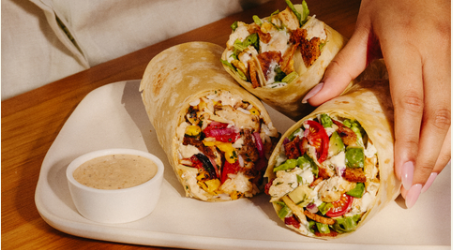
Image source: Sweetgreen.
Can same-store sales growth turn positive?
In the restaurant industry, the most important metric is typically same-store sales, which shows the performance of restaurants compared to where they were a year ago. Any successful restaurant operator needs to grow sales from existing stores, rather than just opening new stores to generate growth.
At Sweetgreen, same-store sales fell 9.5% in the third quarter, showing the challenges facing the business. The good news is that comparisons will get much easier for Sweetgreen next year as opposed to this year, when it was lapping positive comparable sales from a year ago.
Its guidance doesn't indicate an imminent comeback, but we should see an improvement in comps in 2026, if not a return to positive same-store sales.

NYSE: SG
Key Data Points
Can it make progress toward profitability?
The other main question facing Sweetgreen and its investors is whether the company can take even small steps toward profitability, or at least break-even.
Not only did same-store sales fall in 2025, but its generally accepted accounting principles (GAAP) operating loss widened, and it expects to report an adjusted earnings before interest, taxes, depreciation, and amortization (EBITDA) loss after turning a profit in 2024.
Management seems to understand the urgency. It sold Spyce in part to strengthen its balance sheet, and it's also scaling back on new store openings, calling for 15-20 net new stores in 2026 after opening 37 net stores this year.
If the company can cut costs and make progress with its economic model, it should be rewarded by investors. It's easier to improve profitability if same-store sales are growing, of course, but even if consumer spending remains challenged, Sweetgreen needs to do a better job of controlling costs.
The good news is the stock has fallen far enough that it shouldn't take much to mount a comeback.