As of Sept. 30, Berkshire Hathaway owned 37% of the outstanding shares in satellite radio provider Sirius XM (SIRI 0.25%). The Warren Buffett-led conglomerate is selective about the businesses it adds to its portfolio, so when it takes a huge stake like this, investors take notice.
However, Sirius XM hasn't been a great investment. Shares of the value stock have tanked by 65% over the past five years (as of Dec. 10). It even had to engage in a 1-for-10 reverse stock split in September 2024 to pull its share price out of the penny stock zone. This type of disappointing performance doesn't do much to make the investment community confident.
Should you forget about Sirius XM? There's another stock that has made far more millionaires. Let's consider them both.
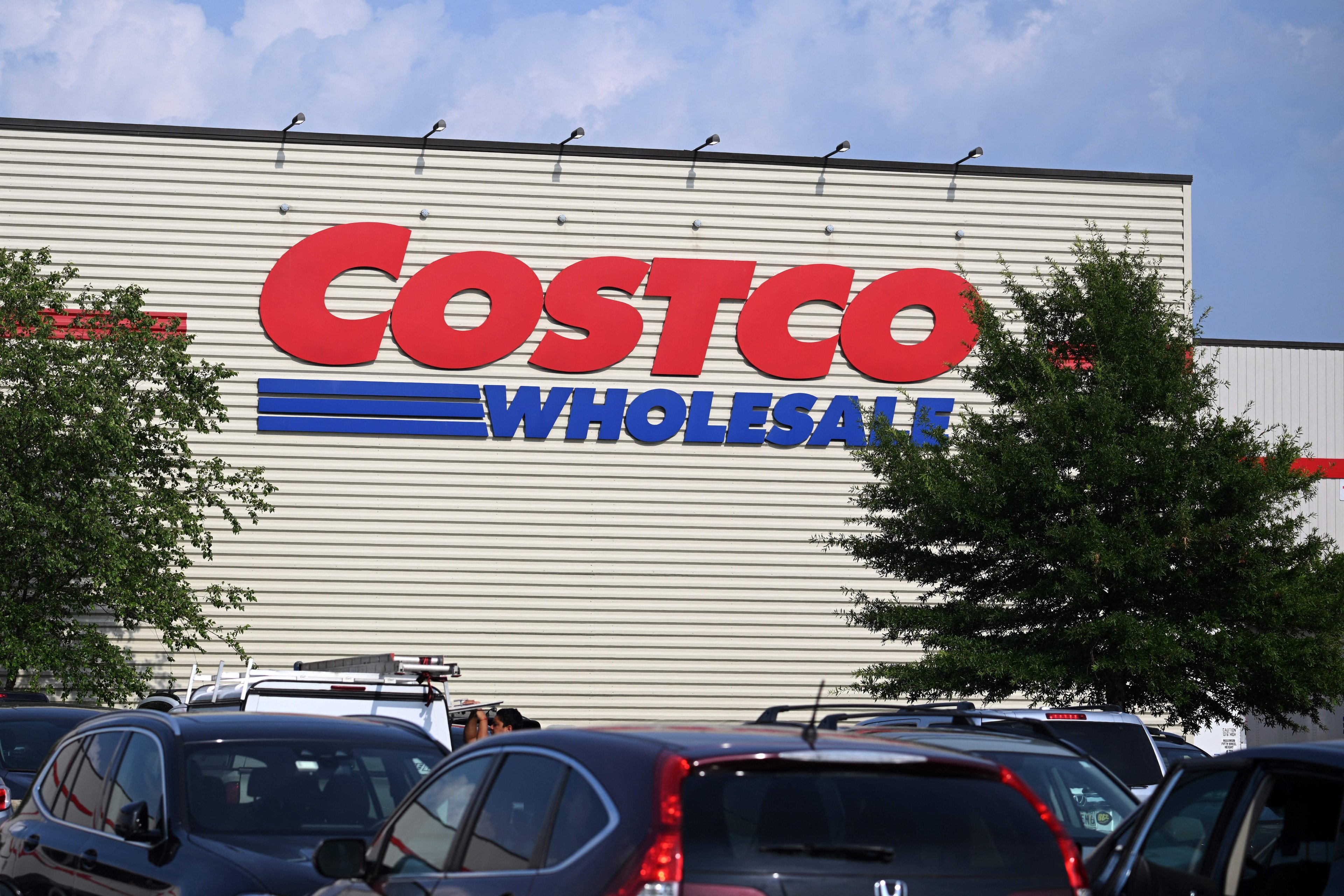
Image source: Getty Images.
Is Sirius XM a value trap?
Sirius XM is projecting free cash flow (FCF) generation of over $1.2 billion this year. Thanks to reductions in capital expenditures, management believes the business will report FCF of $1.5 billion in 2027. That would be a two-year increase of 39%. This would give the leadership team some resources with which to start paying down the company's debt, which currently sits at $10.1 billion. Share repurchases are also on the table.
The company's rising FCF is certainly a favorable trend, and one that investors should keep tabs on to see if it persists. Investors might also appreciate just how cheap the stock is, as it trades at a forward price-to-earnings (P/E) ratio of just 7.2. Add in its dividend, which at the current share price yields about 4.8%, and it makes sense why some investors may be interested in this setup. There could be some upside.

NASDAQ: SIRI
Key Data Points
But there is also a real question of whether or not Sirius XM is a classic value trap. To be fair, the business collects predictable revenue streams in the form of subscriptions, which totaled $1.6 billion in Q3. And it faces no direct competition, as there are no other satellite radio operators in the U.S.
Yet, Sirius XM looks to be on the wrong side of the technological innovation trends. Faster internet speeds and the near ubiquitous adoption of smartphones have combined to create an environment in which digital music streaming platforms can thrive, giving consumers a compelling value proposition. It's no surprise that Sirius XM's self-pay subscriber count has decreased for several straight quarters, pressuring revenue.
Maybe it's time to forget about this stock.
Costco has been a millionaire maker in the past
Perhaps it would be better to turn your focus to warehouse retail giant Costco Wholesale (COST 0.98%). Over its history, it has been a millionaire-making stock. In the past 30 years, the share price has soared 10,260%. With the company's dividends reinvested, its 30-year total return comes to an astounding 15,660%. So if someone bought $6,400 worth of Costco stock in December 1995, set up automatic dividend reinvestment, and held on, they'd have a stake worth just over $1 million today.
Costco has essentially been immune to the impacts of technological change. E-commerce continues to penetrate the retail sector, as evidenced by the monster success of companies like Amazon and Shopify. However, consumers still love the Costco shopping experience, with its no-frills environment, high-quality goods, and extremely low prices.
The warehouse retailer has been able to consistently grow same-store sales, which is the holy grail in the retail world. Demand for its offerings is robust in virtually any economic scenario, even in pandemic-fueled recessions. This makes Costco somewhat of a safe stock pick.

NASDAQ: COST
Key Data Points
The retailer enjoys tremendous customer loyalty, driven by the lucrative membership program that provides most of its profit margin. Management also looks to constantly keep prices low for shoppers. And Costco's massive scale, with fiscal 2025 net sales of $270 billion, lets it negotiate favorable terms with its suppliers.
Unlike Sirius XM, which trades at a dirt cheap valuation at the moment, Costco continues to trade at a premium. Even though the stock is down by 19% from the peak it hit about a year ago, its forward P/E ratio of 44 is expensive. Costco doesn't look like a slam-dunk buying opportunity currently, so investors may want to practice patience and wait for a more attractive valuation.
For different reasons, neither Costco nor Sirius XM look like smart portfolio additions at the moment.