Bloom Energy (BE +1.32%) is having a moment.
After several years spent in the red, Bloom Energy has skyrocketed in 2025. The stock is up roughly 250% year to date (at the time of writing). In that same stretch, the S&P 500 has climbed roughly 16%.

NYSE: BE
Key Data Points
In other words, Bloom has delivered roughly 16 times the S&P 500's return in 2025.
With an impressive run like that, the question naturally becomes: Can Bloom do it again? Can it beat the market in 2026?
What is Bloom Energy?
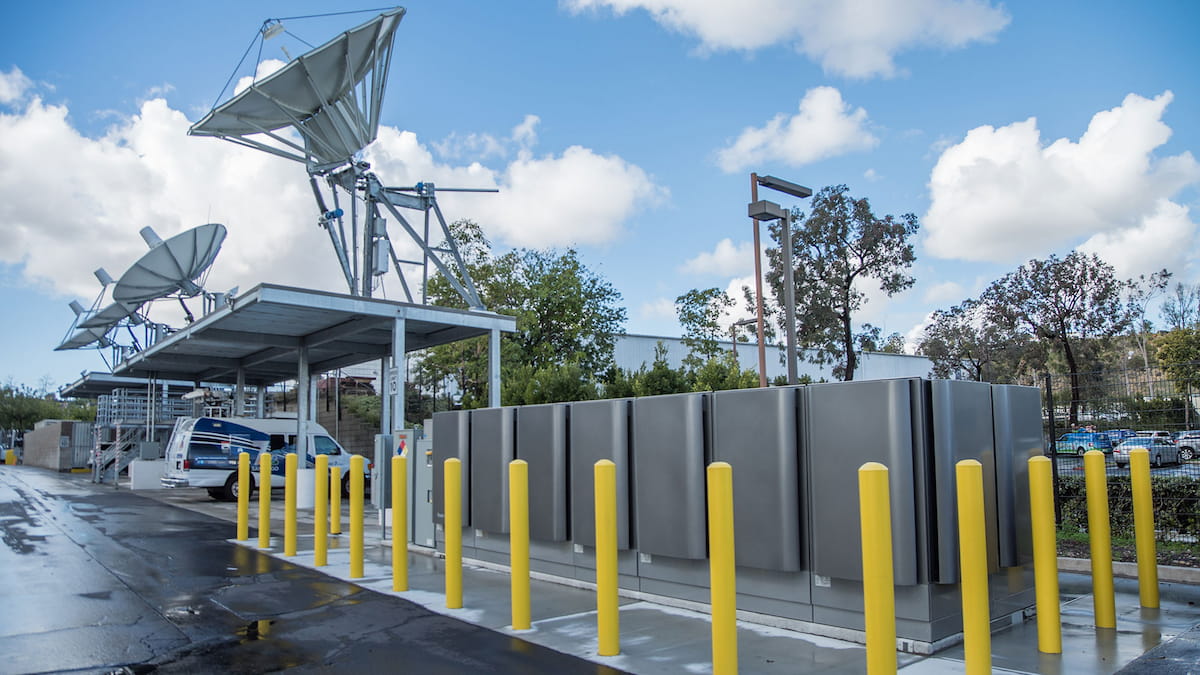
Bloom Energy is an energy company that makes solid oxide fuel cell systems for on-site power generation.
In a nutshell, these fuel cells convert fuel (like natural gas) into electricity through an electrochemical process rather than combustion. This makes them cleaner than traditional fossil fuel power generation.

Image source: Bloom Energy.
The company sells its power systems to large commercial and industrial customers who want reliable 24/7 power without the high emissions of, say, diesel generators. A lot of companies want this type of power generation, which is why its customer list includes blue chip names like Walmart, Target, Home Depot, Equinix, and Oracle.
Those last two names (Equinix and Oracle) are important for understanding Bloom stock's incredible 2025 run. Indeed, the company's on-site power systems are a good fit for artificial intelligence (AI) data centers that need the kind of 24/7 power that fuel cells can provide.
On that front, Bloom inked a deal with Brookfield Asset Management (BAM 3.45%) under which the asset manager plans to invest up to $5 billion to deploy Bloom's fuel cell technology for AI infrastructure. Bloom has also signed a deal with Oracle in July 2025 to supply fuel cells in its data centers.
Can Bloom Energy beat the market again?
Short answer: Yes. Bloom could repeat a market beat in 2026. But for that to happen, two things need to stay consistent.
The first is tied to electricity demand. As long as utilities struggle to connect new customers, including data center operators, to the grid, Bloom's energy solutions look like a practical workaround.
At the same time, Bloom's fuel cells aren't the only alternative power solutions. The company also faces pressure from competitors in its own industry, like FuelCell Energy, as well as nuclear developers, like Oklo and NuScale Power, that aim to position advanced reactors as a clean energy solution.
The second factor is tied to Bloom's fundamentals, which have been improving. The company has posted record quarterly revenue for four straight quarters. It's also profitable and generating positive free cash flow.
For Bloom to continue its strong run into 2026, revenue growth, paired with improved margins, would help it outpace the broader market. Of course, if deployment picks up, margins could be briefly strained, as installation and operating costs could rise. Even so, the market could reward Bloom for turning rising demand into continued growth.
To be sure, I think continued data center build-out will be the determining factor. As long as data centers are built (and not just planned), Bloom has a growing market for its fuel cells. With that narrative, Bloom could certainly beat the market in 2026, even if the ride is a little bumpy.