Bear with me for a second; I'd like to start this overview with a quick history lesson.
Verizon Communications (VZ +1.03%) was a hot tamale in 2015. The telecom giant was on a hot streak in the early days of the smartphone era. If you had invested $10,000 in Verizon stock near the end of 2005, activated the dividend reinvestment program (DRIP), and left it alone for the next 10 years, you'd have a market-beating $27,400 in your pocket.

NYSE: VZ
Key Data Points
The good old days are over
But the smartphone frenzy slowed down over the years, though Apple (AAPL +0.59%) managed to build one of the world's largest market caps around the iPhone.
Verizon's soaring sales growth cooled off. Smaller rival T-Mobile US (TMUS +0.72%) stole millions of Verizon's mobile subscribers. The company continued to generate impressive cash flows despite several rounds of expensive network infrastructure upgrades.
But the old magic was gone. If you started a new $10,000 Verizon investment on Dec. 22, 2015, you'd have $4,650 in total returns today for a total value of $14,650. That's better than sticking the cash under your pillow for a decade, but far behind the S&P 500 (^GSPC +0.32%) posting a $40,220 total-return value over the same span.
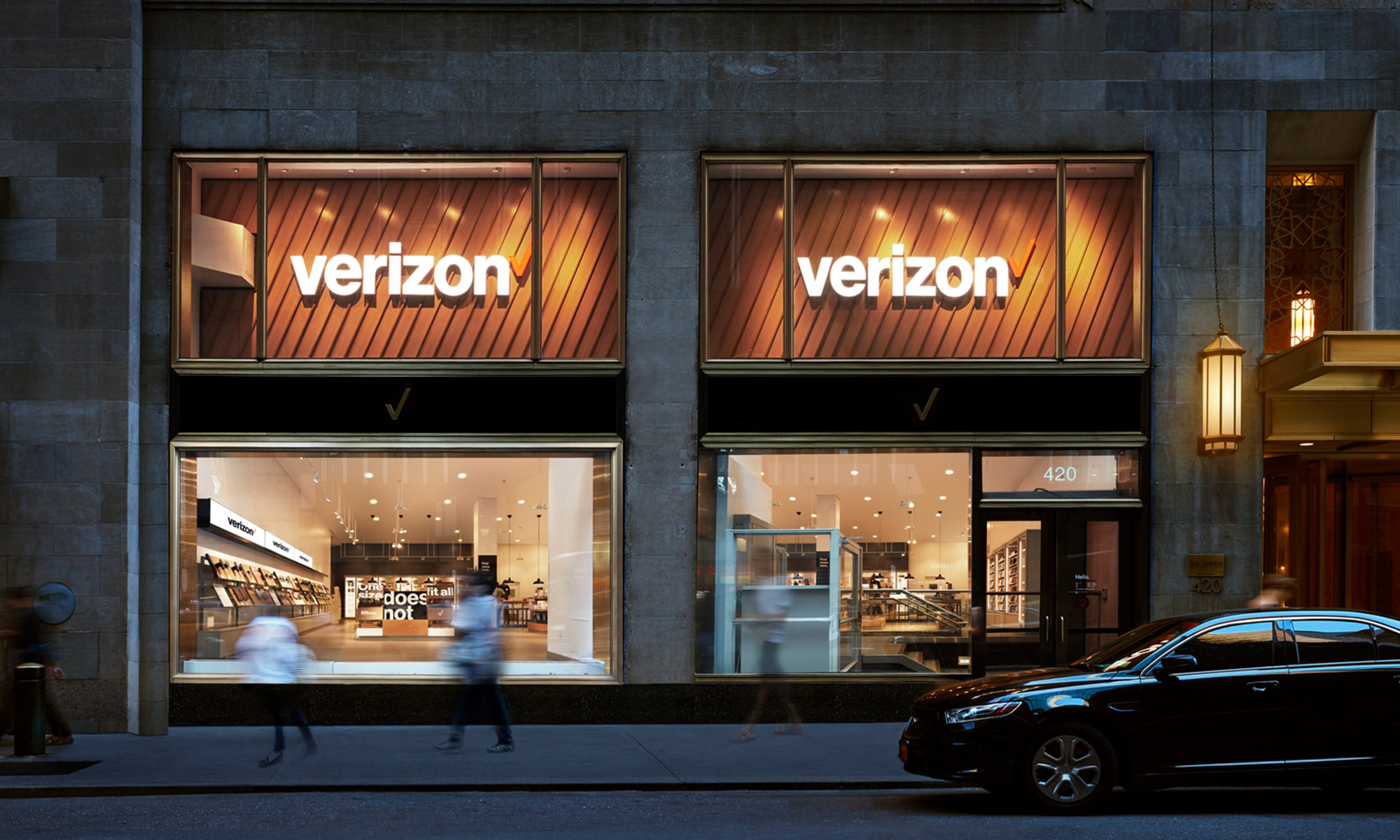
Image source: Verizon Communications.
So, should you buy Verizon today?
Verizon remains a solid dividend stock, fueled by generous cash flows. The dividend yield stands at 6.9% today -- one of the 10 highest yields in the S&P 500.
Therefore, the stock may make sense for dividend-hungry income investors, but it seems unable to maintain its value over the long haul. Perhaps I'll change my tune in a couple of decades, as retirement approaches, but I'm not buying Verizon stock today. At this rate, I'm not even sure that Verizon will be a leading telecom competitor in 20 years (or even 10).