During the last five trading days of December and the first two trading days of January, the stock market has historically rallied at an above-normal rate, 80% of the time, with an average return of 1.3%. The phenomenon known as the Santa Claus rally appears to be underway as of Christmas Eve, with all major indexes in the green on Dec. 24, the start of the "Santa Claus" market period.
So, if a Santa Claus rally occurs, what does that signal for the year ahead? And if it fails to fully materialize, would that be an indicator of a looming downturn?
If Santa Claus should fail to call, bears may come to Broad and Wall
All things being equal, a Santa Claus rally is a positive sign. When it happens, the next year is usually positive. Still, that shouldn't be surprising; since 1926, the stock market has had a positive year about 70% of the time.
No, the Santa Claus rally is usually reassuring for what it doesn't indicate; in the six instances since the mid-20th century in which the Santa Claus rally didn't occur, five of those subsequent six years showed either negative or below-average returns, according to Ryan Detrick, Chief Market Strategist of LPL Financial. And the subsequent January was negative five out of six times.
But a Santa Claus rally is no reason to pile in
While a Santa Claus rally is reason for relief, it doesn't necessarily mean things are "all clear" for the year ahead.
After all, the most recent bear market experienced in 2022 was immediately preceded by a Santa Claus rally during the final week of 2021. But that didn't stop the S&P 500 (^GSPC 0.03%) from falling 19.4% that year and the Nasdaq from plunging a treacherous 33.1%.
Given that most years in the stock market are positive, the Santa Claus rally is really an indicator that things are "normal," but not necessarily an abnormal indicator that the ensuing year will be positive or above-average.
Image source: Getty Images.
Why 2026 may be a difficult year, even with Santa
If the Santa Claus rally doesn't occur, that's one thing. But even if it does, the next year's returns will still likely be dictated by fundamentals.
To that end, the market appears vulnerable today. The S&P 500 is entering 2026 at a higher-than-normal valuation of approximately 30 times trailing earnings, 50% higher than the long-term average around 20 times.
Bulls will point out that since the stock market became concentrated in asset-light technology behemoths, the average market P/E over the past 20 years or so has been higher -- roughly the mid-20s range. And while today's P/E ratio is high, it's not quite as frothy as the late 2020 period, when the market's valuation reached 36. They may also point to the AI-driven economy, which is expected to lead to strong earnings growth.
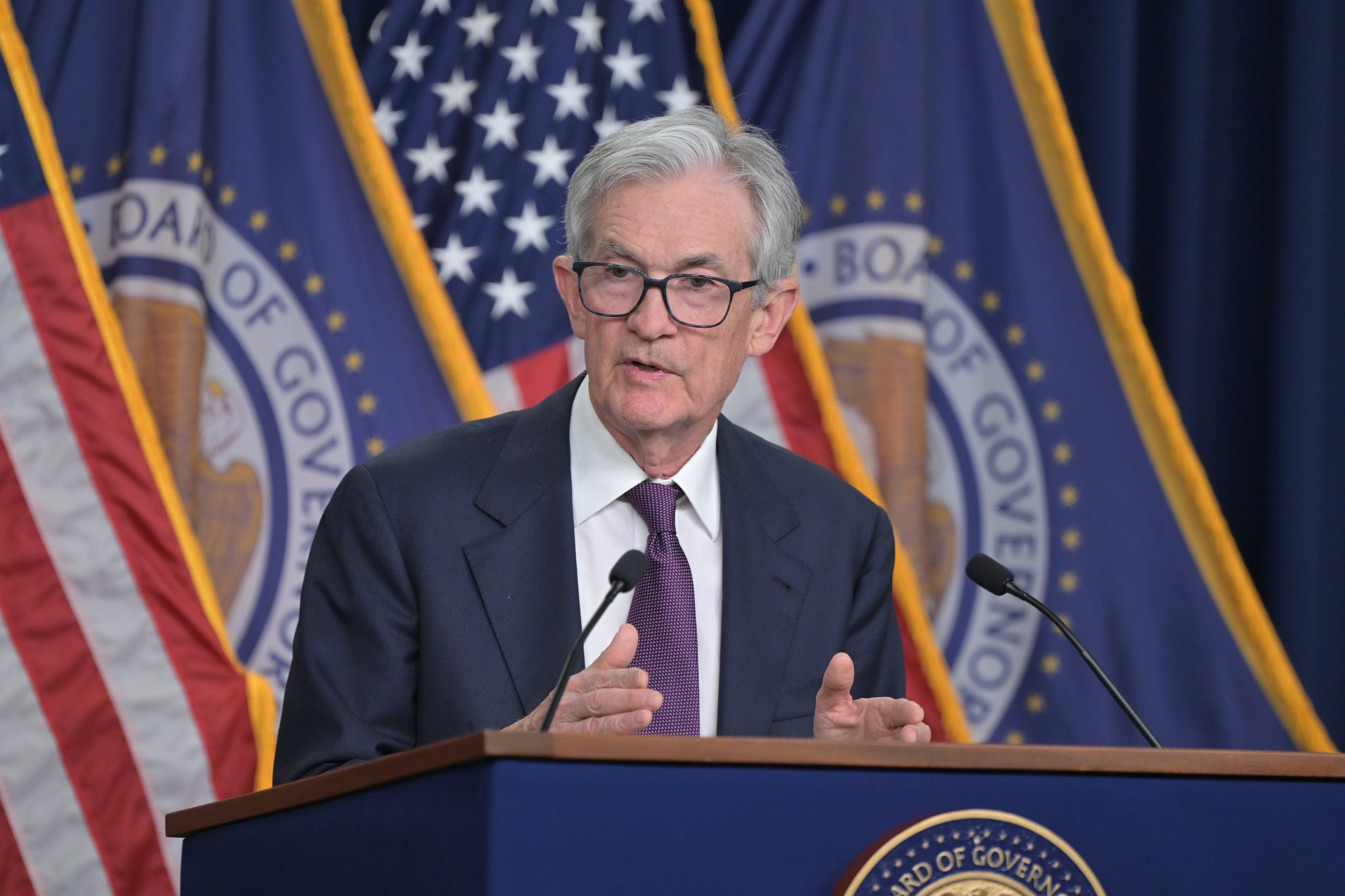
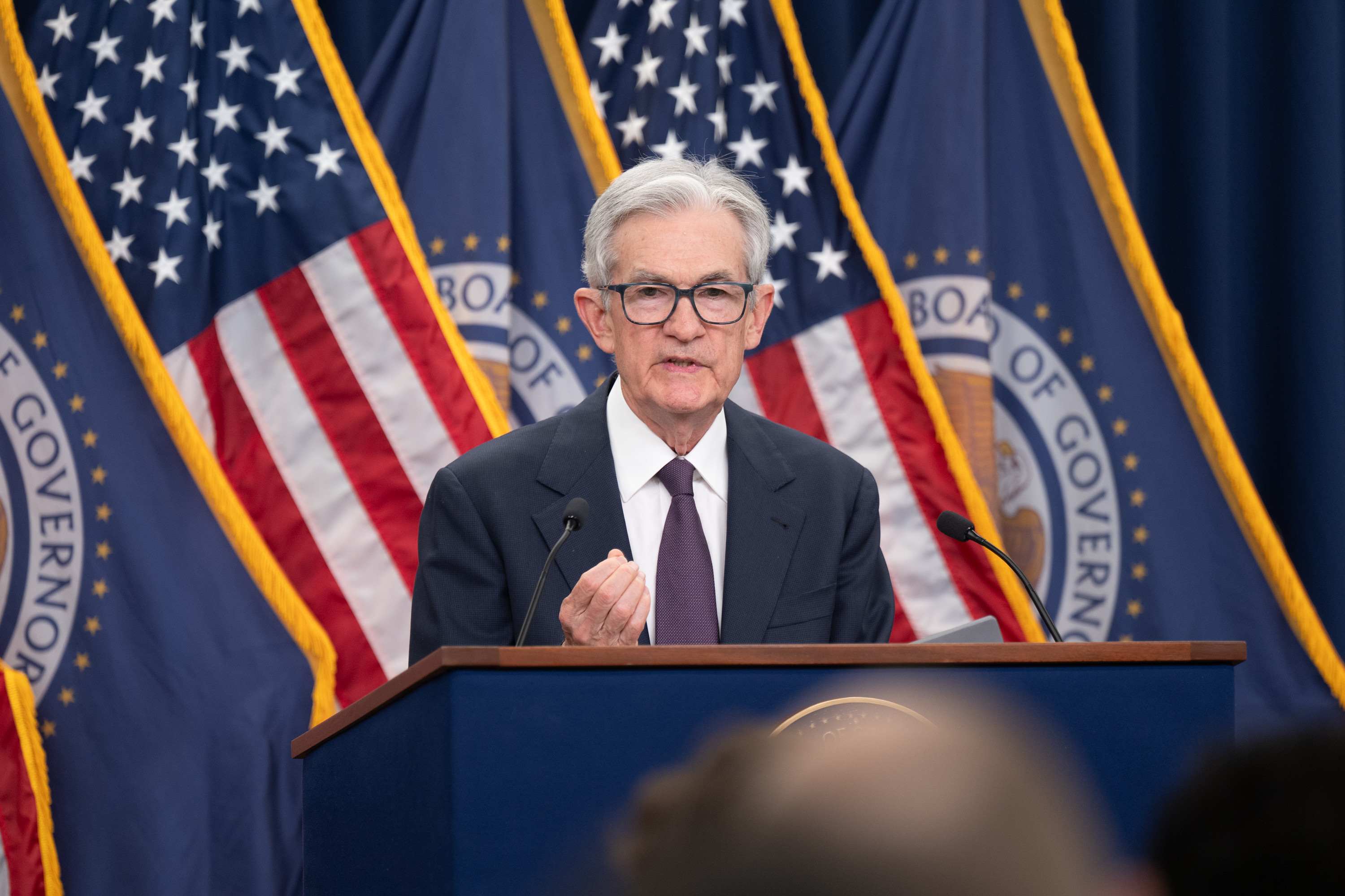
Yet bears can also make a case. Like 2022 and 2018, both negative years, 2026 will be a midterm election year, which typically sees difficult market conditions. Furthermore, the impending nomination of a new Federal Reserve Chairman could lead to greater uncertainty about inflation and interest rates. Remember, the 2018 and 2022 bear markets were triggered by increasing inflation and rising rates.
Additionally, the artificial intelligence boom is capital-intensive. If a company's cost of capital unexpectedly rises, it could delay the buildout of new chip fabs and data centers. And if growth slows for high-multiple stocks, that could very well trigger the next bear.
Therefore, inflation data should be a key focus for investors in 2026.
Investors: Stick with your long-term plan
In summary, Santa Claus rally or not, investors are best served by examining fundamentals, such as earnings growth, market valuations, and the trajectory of inflation and interest rates.
These factors are difficult to predict, so it's generally better for most investors to stick with a long-term investment plan. That should entail regular additions to stocks of high-quality companies, with the goal of holding them for the long term through both bear and bull markets.