Ford Motors (F +0.68%) shares have risen 35% in 2025 (as of Dec. 23). However, the stock is yet to reach $15, a price it hasn't scaled since July 2023.
Image source: Getty Images.
Investors should not buy Ford while it's under $15
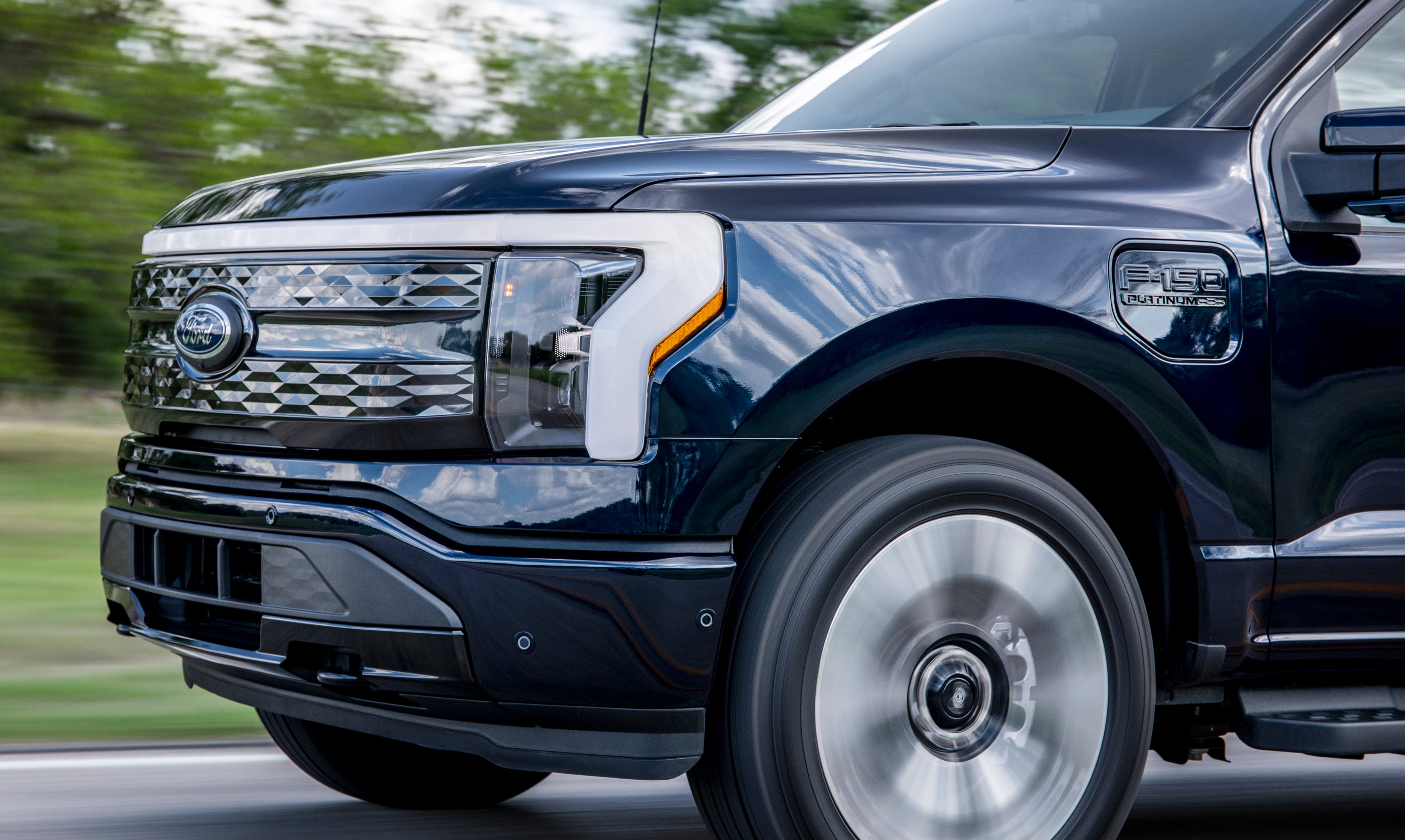
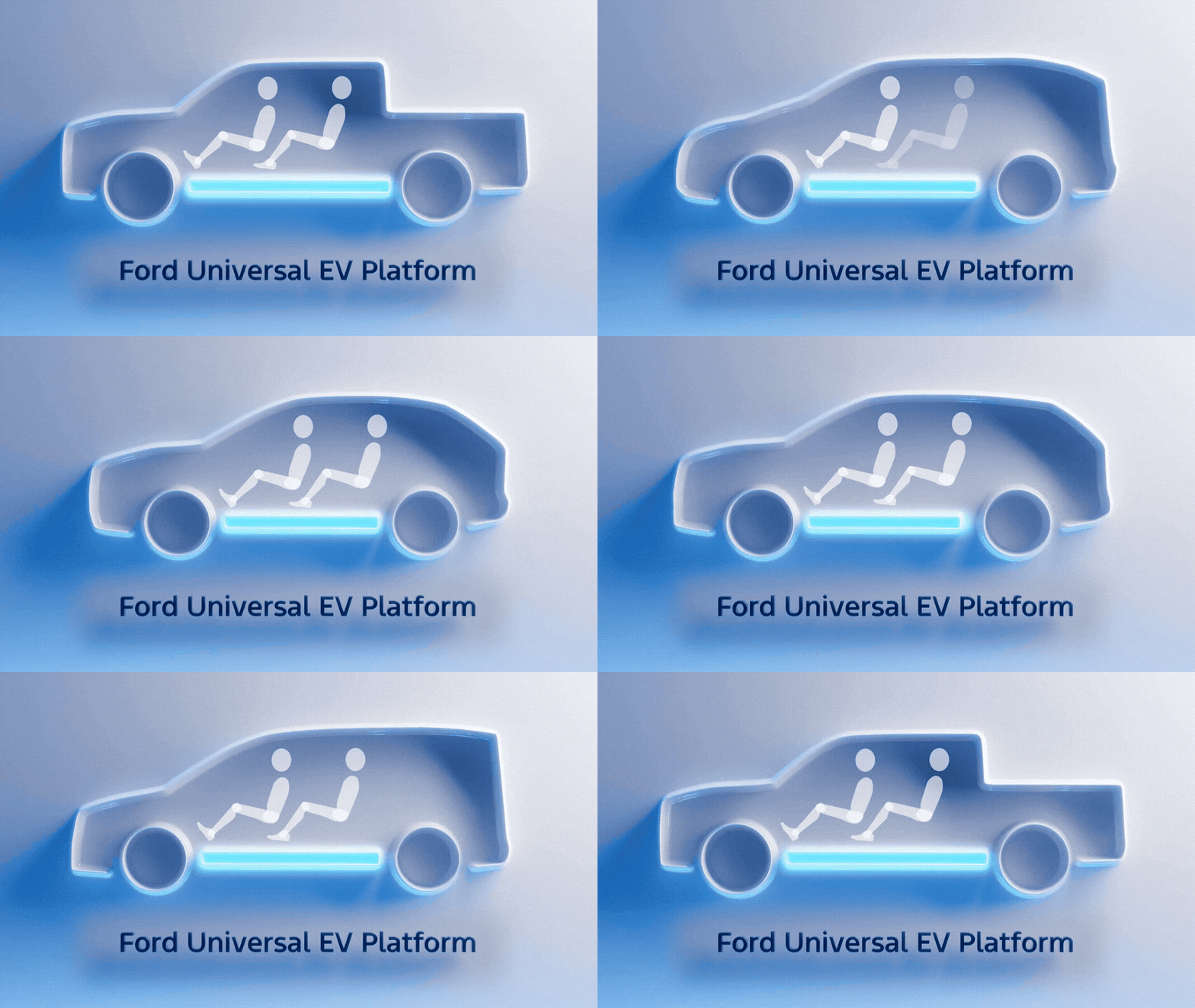
On Dec. 15, the company announced it will take an estimated $19.5 billion hit because of the recent repositioning of its entire EV program, which includes canceling the highly anticipated F-150 Lightning. This will directly impact the manufacturer's earnings for the foreseeable future, as the company predicts that the hit will be reflected in Q4 FY2025, all of FY2026, and $5.5 billion will carry over into FY2027.
Along with its abrupt EV cancellation, Ford is still recovering from its warranty costs crisis, another cost that cuts directly into earnings. The auto manufacturer has been struggling with a surge of recalls since 2024, which the company covers as a warranty expense. It reached a tipping point in December 2024, when the company appointed a new head of quality to try to help mitigate the high costs. Ford leads the nation in auto recalls in 2025, accounting for 35% of total recalls.

NYSE: F
Key Data Points
Ford paid $2.8 billion in warranty costs in the first two quarters of 2025, with a $300 million year-over-year increase in total warranty costs in Q2. While the company did decrease warranty by $459 million year-over-year in Q3, that improvement may be short-lived. On Dec. 19, the National Highway Traffic Safety Administration (NHTSA) announced a recall of roughly 273,000 Ford vehicles due to a parking malfunction that could cause rollaways.
Ford's low valuation reflects those costs. The stock has a trailing P/E ratio of 11.4 and a forward P/E of 9.4, three times lower than the S&P 500 (31.2 as of Dec. 24), signaling that Ford's earnings will continue to flounder next year. With those earnings pressures remaining unresolved for the foreseeable future, investors should currently steer clear of the stock.