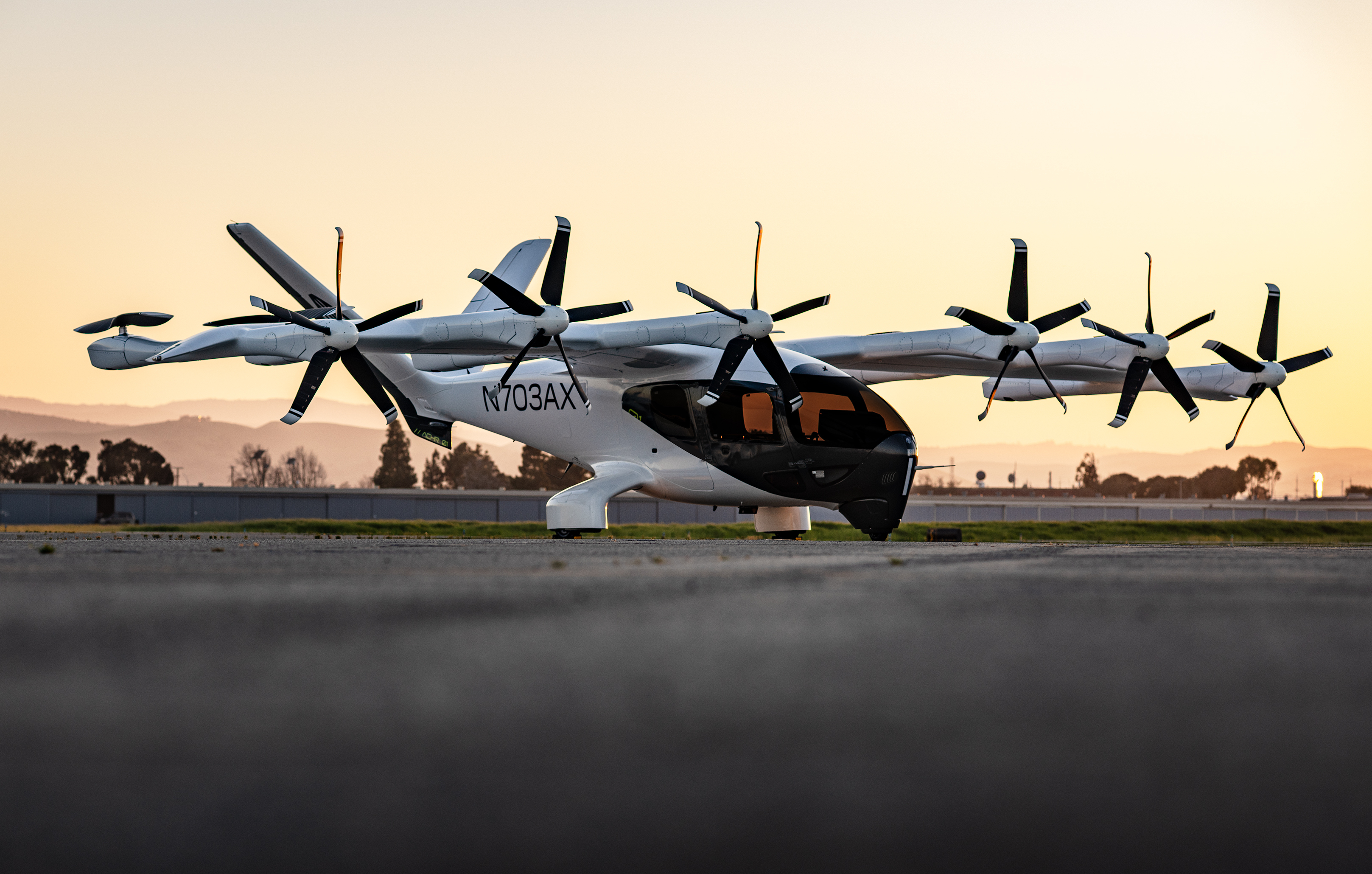
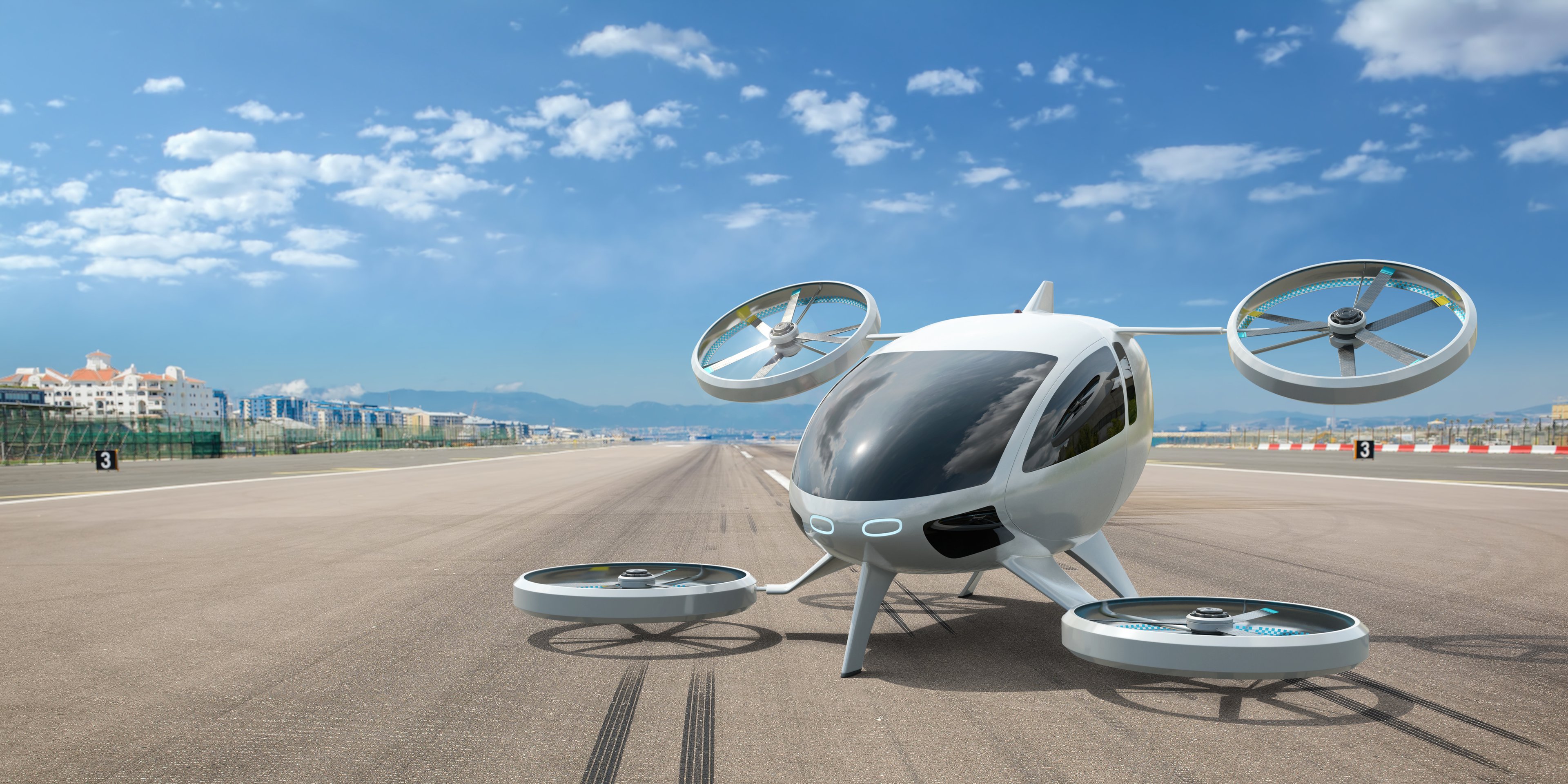
Archer Aviation (ACHR +0.49%) has strong potential with its future electric vertical takeoff and landing (eVTOL) air taxi business, as it positions itself for adoption within the U.S.
On Dec. 2, the company announced a deal with Karem Aircraft, an aerospace technology manufacturer, gaining access to "military-grade" technology "validated" by the U.S. Army, which will enhance aircraft efficiency. A week later, the company completed the first phase of its acquisition of Hawthorne Airport, an airport near downtown Los Angeles that's expected to be an operational hub for the 2028 Los Angeles Olympics.
Archer Aviation expects to be fully operational by the time the global event begins, but whether it can meet that timeline remains an open question.
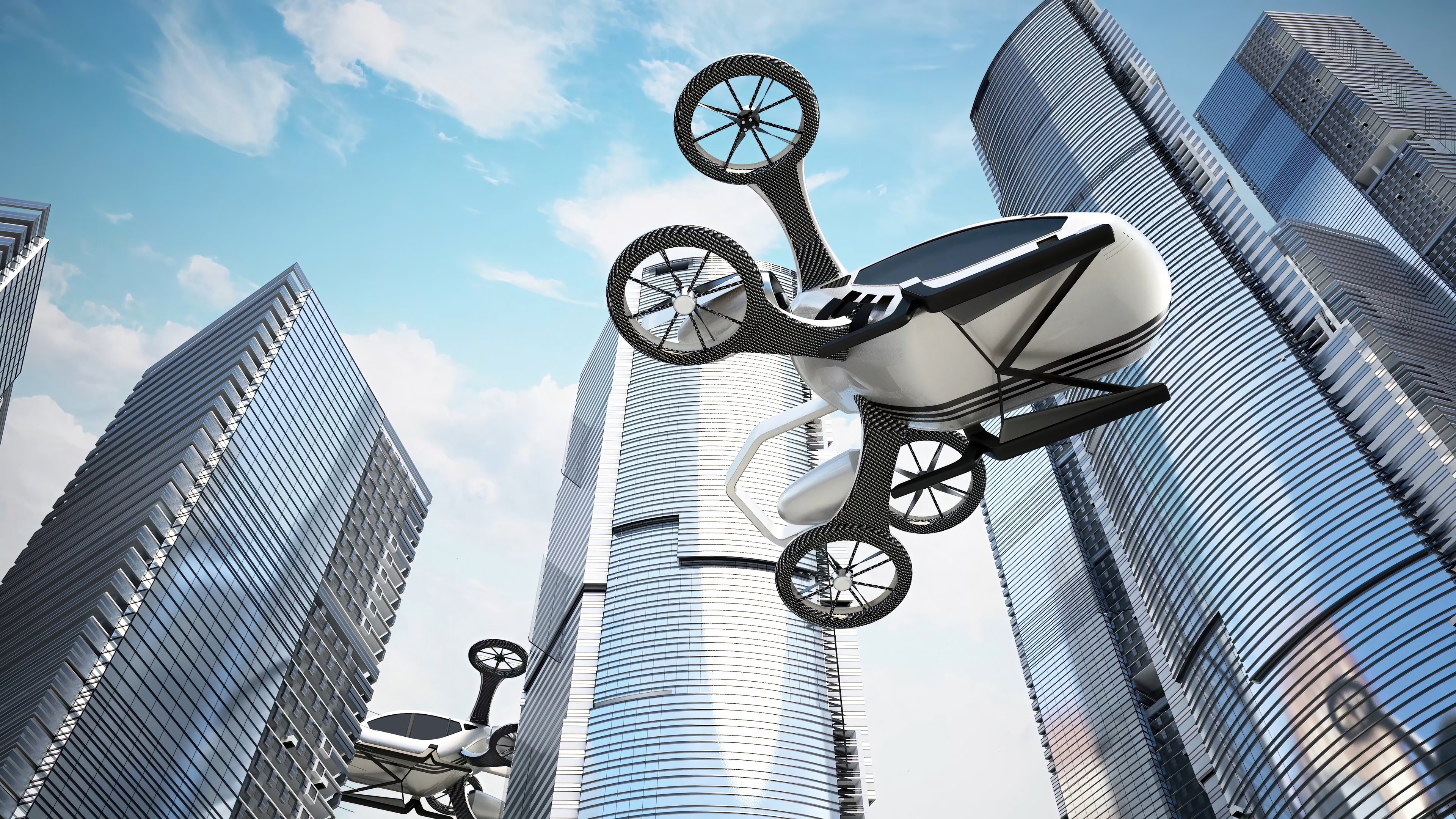
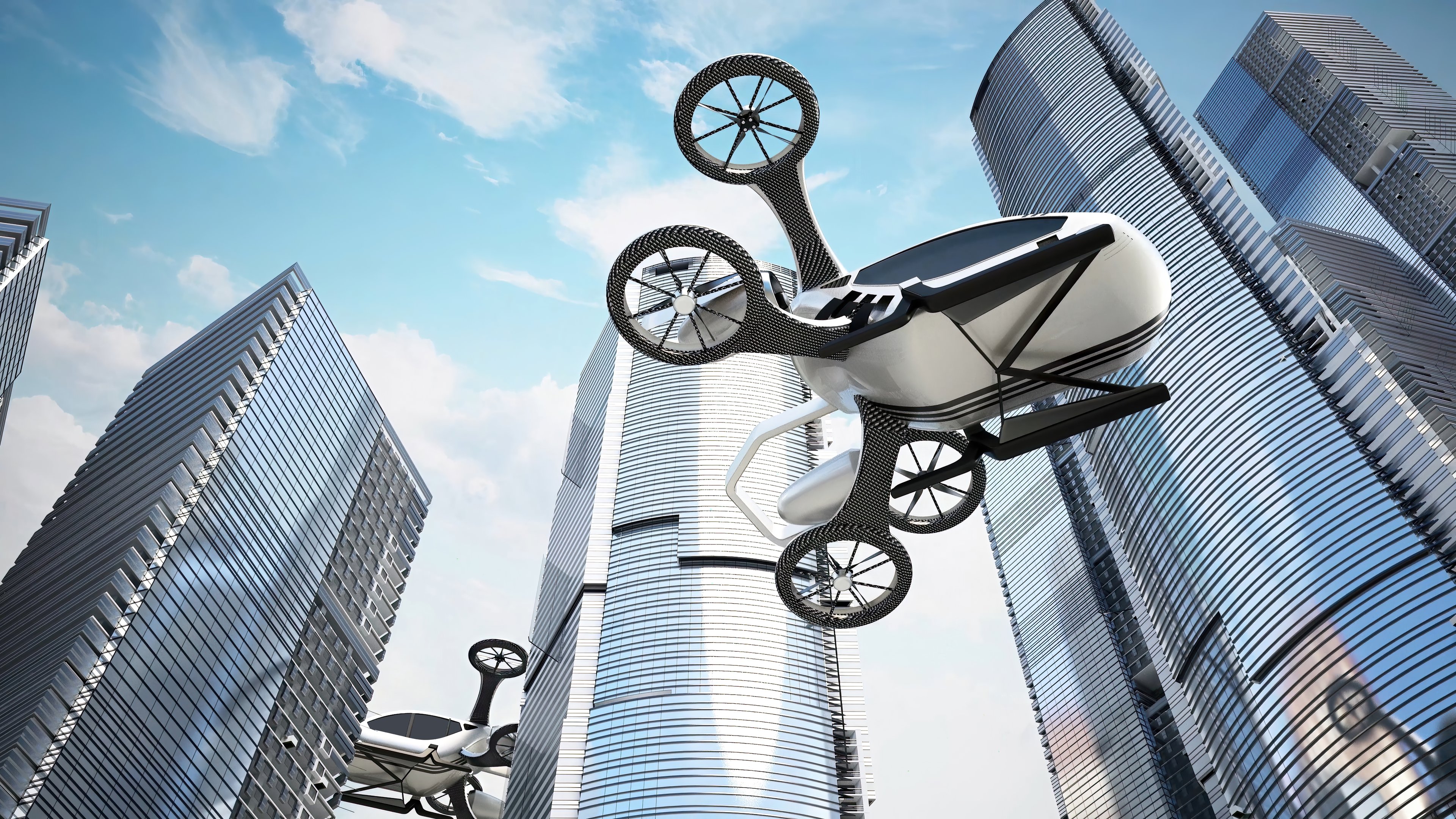
Artist's rendering. Image source: Getty Images.
Archer Aviation stock isn't ready for takeoff just yet
Archer's success remains heavily dependent on receiving Federal Aviation Administration (FAA) certification for commercial flights, a process that can take years. Beyond regulatory hurdles, the company remains pre-revenue and continues to post sizable losses.
After reducing its quarterly net loss to $93.4 million in Q1 2025, losses more than doubled the following quarter to $206 million. In its latest earnings report, Archer's Q3 net loss worsened by 12% year over year. And after two consecutive years of share price gains, the stock is on pace to close 2025 down roughly 20%.

NYSE: ACHR
Key Data Points
Joby Aviation, another eVTOL taxi company, also poses a significant challenge to Archer's success. It currently is working toward FAA certification and has a partnership with Toyota. It also plans to integrate helicopter services from its subsidiary, Blade Air Mobility, into Uber's rideshare platform next year. This could help position the air taxi company to gain full FAA approval before Archer. Joby also aims to double manufacturing capacity to four aircraft per month by 2027, and its stock has surged 65% in 2025.
Archer Aviation stock is currently not an ideal investment as the company is not yet making revenue, continues to notch losses, still needs FAA certification, and faces fierce competition.