Tesla (TSLA 3.94%) heads into 2026 with a split narrative. The electric-car company is still the biggest name in electric vehicles, but the market increasingly treats it like an AI (artificial intelligence) and autonomy story. After all, that's the best explanation for the stock's rise this year, even as vehicle deliveries have been lackluster. The company's progress on self-driving vehicles and an autonomous ride-sharing fleet (Robotaxi) has excited investors, as they hope the company will increasingly benefit from higher-margin, faster-growing revenue streams in 2026 and beyond.
Going into 2026, the question is whether Tesla will begin to show substantial progress on Robotaxi, giving investors a clearer vision of how the company can generate substantial profits from the initiative. The company's market capitalization of $1.5 trillion already demands that Robotaxi is a major success; so if it doesn't start showing up in the numbers soon, investors might punish the stock.
With this background in mind, it's a good time to take a closer look at the growth stock to see if it's a good buy today (or not).
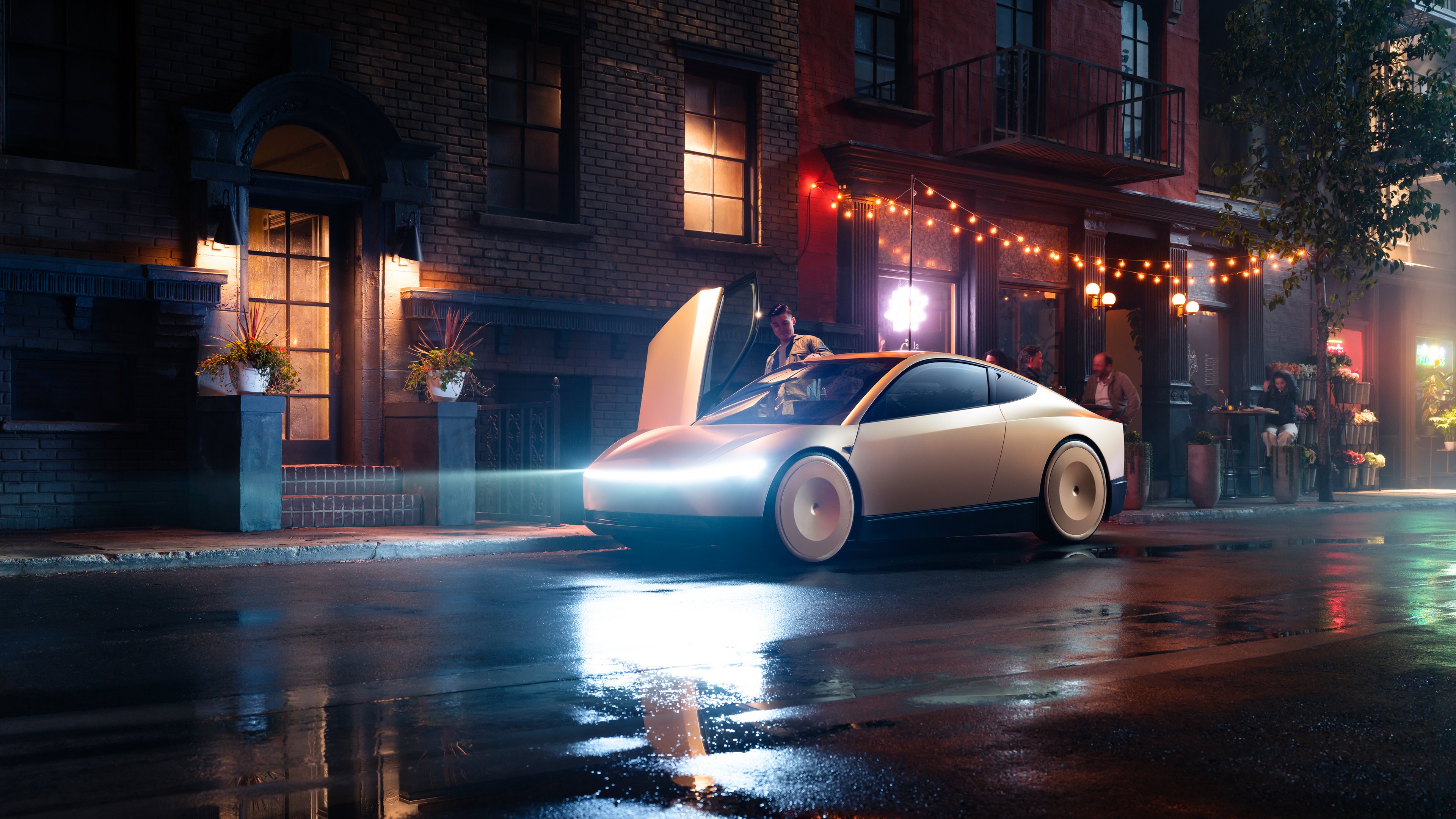
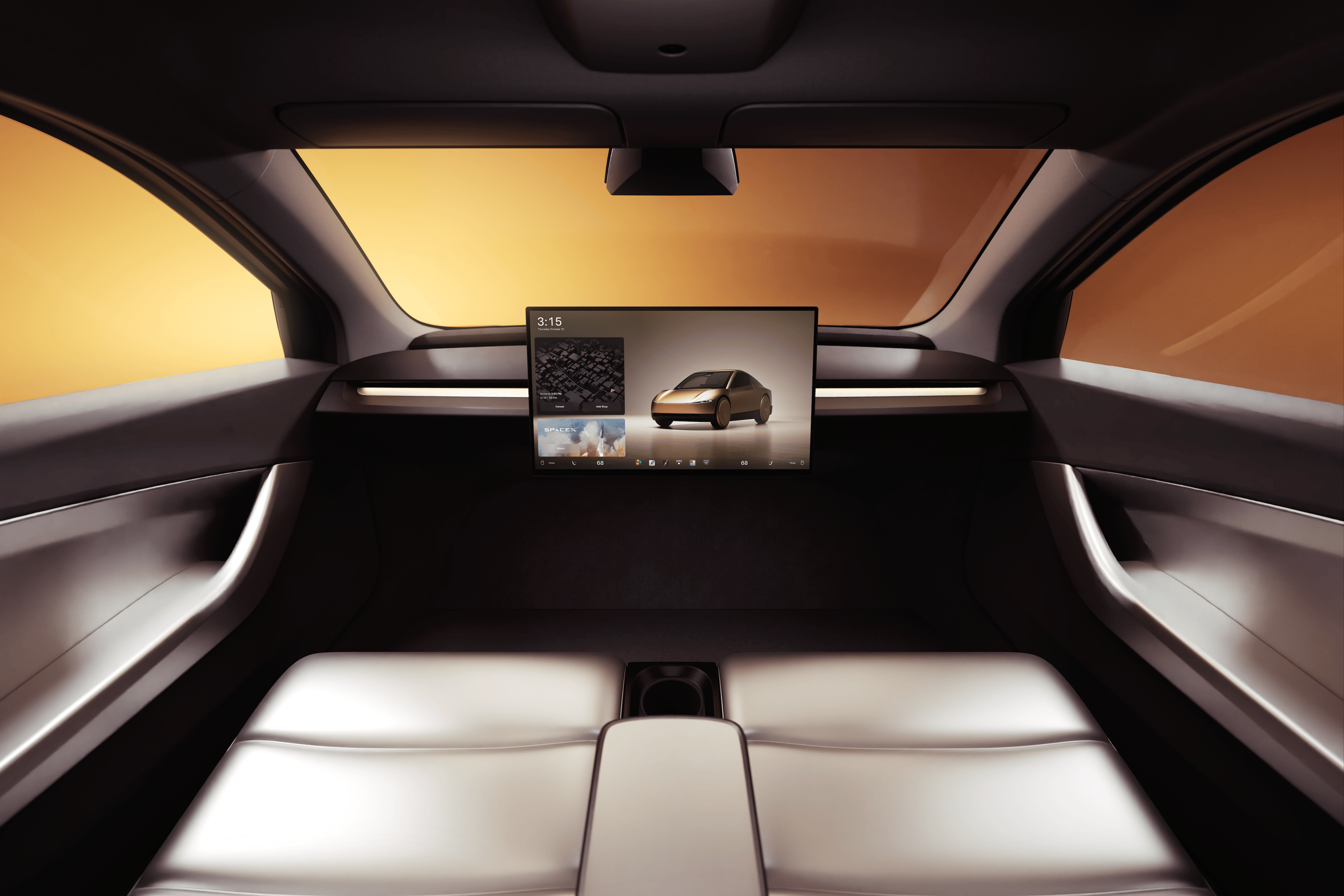
Cybercab. Image source: Tesla.
Mixed financial results
Tesla's financial results throughout 2025 show why investors need a big win from Robotaxi going forward. In Q2, the company's total revenue fell 12% year over year to $22.5 billion, and Tesla's operating margin was 4.1%, down from 6.3% in the year-ago quarter. And while revenue rose 12% year over year in Q3, this was because there was a pull-forward in demand; customers raced to get their hands on Tesla vehicles before the federal electric vehicle credit expired.
Importantly, Tesla is still generating free cash flow. Third-quarter free cash flow was nearly $4 billion, up 46% year over year.
In addition, Tesla's energy business has been doing particularly well with 12.5 gigawatt hours (GWh) of energy storage deployed in Q3 -- up 81% year over year. This was the primary driver behind Tesla's energy generation and storage segment's 44% year-over-year revenue growth during the period.
Overall, though, Tesla's financial results in 2025 have been disappointing. Even in Q3, when total revenue grew by a double-digit rate, Tesla's net income declined 37% year over year to about $1.4 billion. Even Tesla's non-generally accepted accounting principles (GAAP) net income declined 29% during the period.
The bull case
Obviously, these financial results, in and of themselves, don't justify Tesla $1.5 trillion market capitalization or its price-to-earnings ratio of 313.
The growth stock's valuation is leaning on what comes next: the rollout of Robotaxi.
"We have millions of cars out there that, with a software update, become full self-driving cars," Tesla CEO Elon Musk said in the company's third-quarter earnings release when talking about how fast Robotaxi can take off when the software is ready.
Musk went on to say that, given his confidence in achieving unsupervised full self-driving, he plans to increase the electric-car company's vehicle production as quickly as he can -- ahead of an expected surge in demand for its vehicles due to their self-driving technology.
Tesla plans for its vehicle owners to eventually be able to deploy their vehicles into the autonomous Robotaxi ride-sharing network, allowing them (alongside Tesla) to earn money from their vehicles. In addition, Tesla is working on a vehicle built from the ground up for autonomous driving -- the Cybercab.
Risks
But there are a number of key risks Tesla investors need to consider carefully.
The most obvious one is that the stock's extraordinarily high valuation may already price in the arrival of unsupervised self-driving technology.

NASDAQ: TSLA
Key Data Points
In addition, it's also possible that Tesla's Robotaxi service will not be as lucrative as management anticipates. Indeed, Tesla's chief financial officer Vaibhav Taneja already told investors in the company's third-quarter earnings call that he expects Tesla's capital expenditures in 2026 to "increase substantially as we prepare the company for the next phase of growth."
Further, there's regulatory risk. For now, technological progress is the primary limiting factor for the speed with which Tesla expands its Robotaxi service. But another bottleneck that may slow the Robotaxi expansion is regulatory approvals. It's unclear how fast regulatory agencies will move to legalize unsupervised full self-driving ride-sharing services across the U.S.
Finally, there's the risk that competition from other self-driving companies, like Alphabet's Waymo or Amazon's Zoox will turn what is supposed to be a major profit driver for Tesla into something that more closely resembles a price-sensitive commodity.
Given these risks (especially the stock's extremely high valuation), I personally think Tesla shares are a "hold" going into 2026. I believe buying after such a huge run-up in the stock price could prove to be a mistake. Given the stock's volatility, I wouldn't be surprised to see a pullback at some point that could give investors a better long-term return. But investors who choose to hold onto their Tesla stock should keep in mind the risks, keeping a close eye on self-driving technology developments and Robotaxi's economics as it scales.