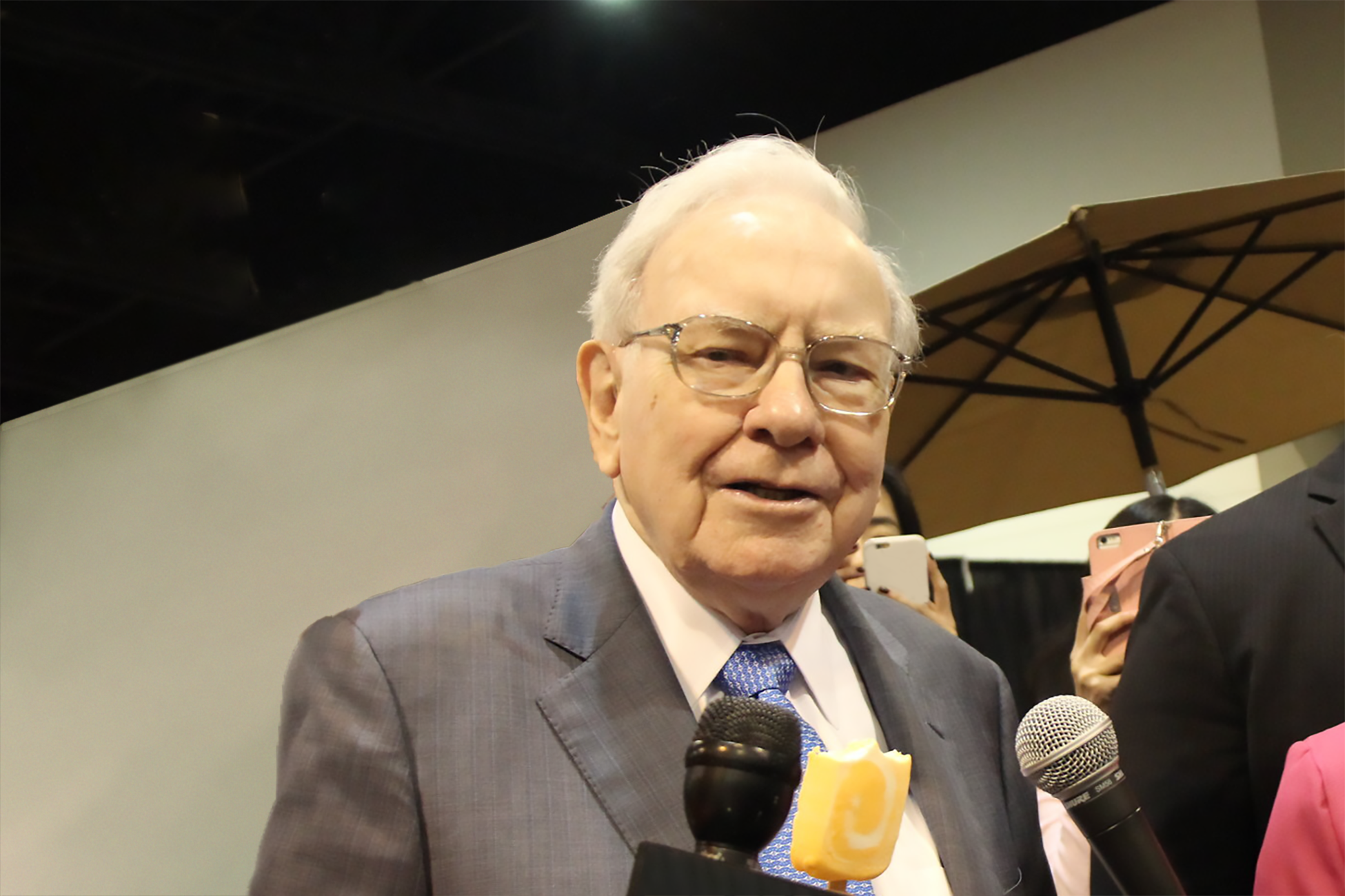
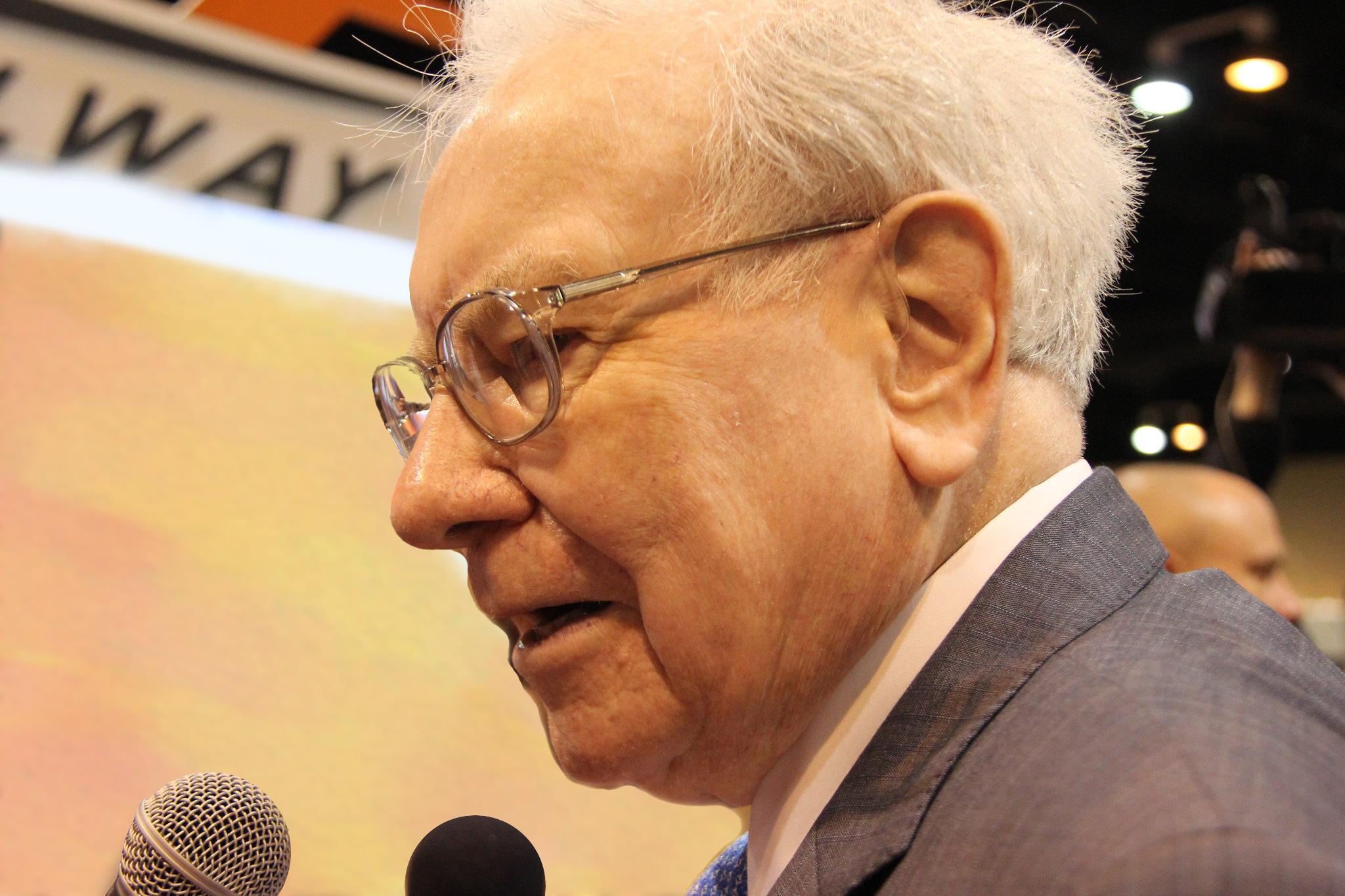
The most illustrious investing career of our lifetime is officially coming to a close. When the closing bell tolls on Wall Street later today, Dec. 31, 2025, it'll be the last time it does so with billionaire Warren Buffett acting in the CEO capacity for Berkshire Hathaway (BRK.A 1.79%)(BRK.B 1.60%) -- although he'll remain chairman of the board.
In the more than 60 years the affably named Oracle of Omaha held the reins, he's overseen a cumulative return in Berkshire's Class A shares (BRK.A) of close to 6,060,000%, as of the closing bell on Dec. 24. With regard to annualized total return, including dividends, Buffett came close to doubling the benchmark S&P 500 (^GSPC 2.06%) since 1965.
On Jan. 1, the trillion-dollar company that Warren Buffett and now-late right-hand man Charlie Munger helped build will enter uncharted territory. While some things will stay the same with Greg Abel as Berkshire Hathaway's new CEO, certain aspects of this time-tested business are changing forever.
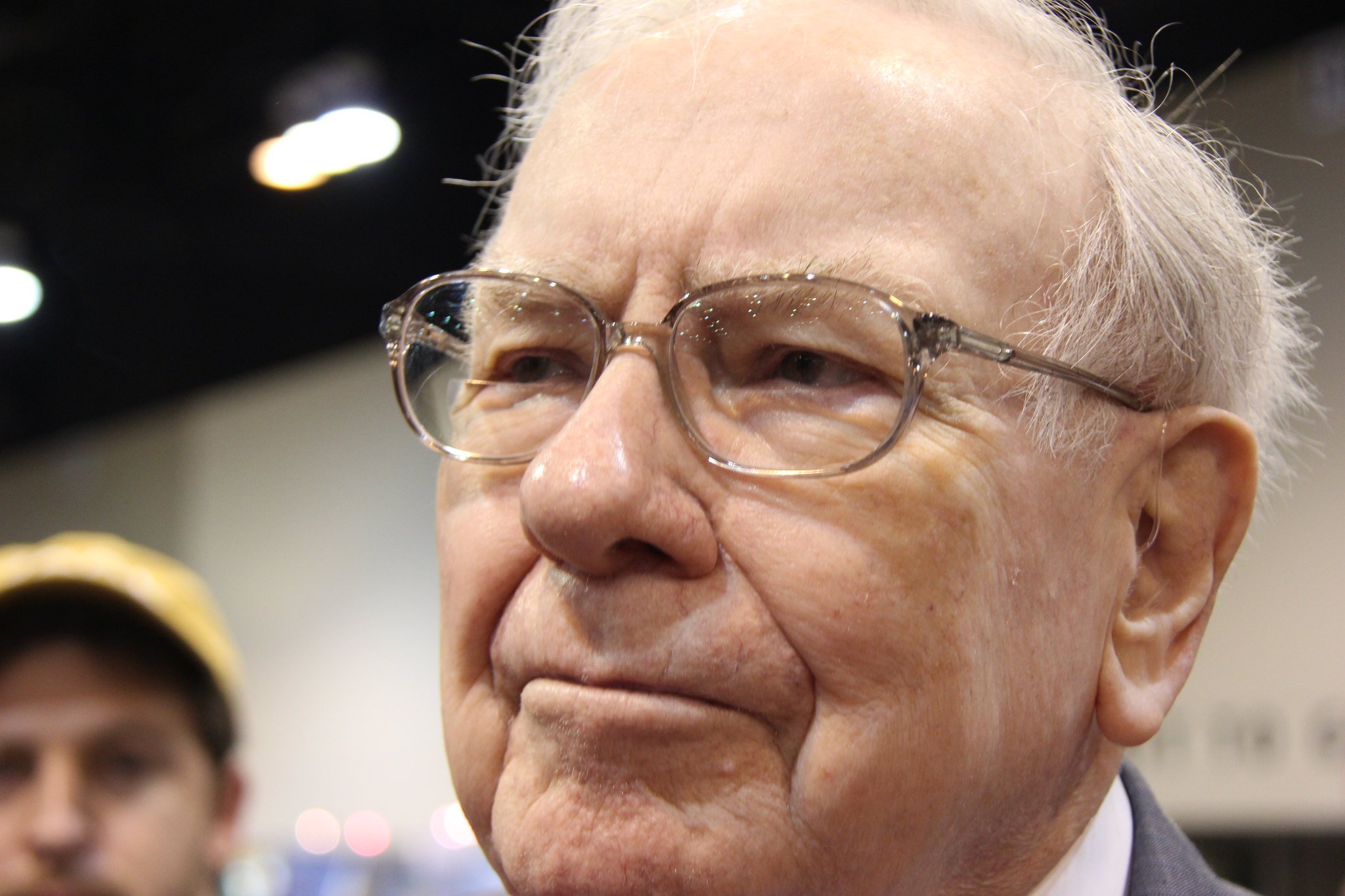
Berkshire's legendary CEO, Warren Buffett, is stepping down from the CEO role at the end of 2025. Image source: The Motley Fool.
Few investors understood the value of time and perspective like Warren Buffett
During the Oracle of Omaha's six-decade tenure at Berkshire Hathaway, he green-lighted approximately five dozen acquisitions across a range of sectors and industries. While some of these buyouts are major contributors to Berkshire's relatively steady operating growth (e.g., insurer GEICO and railroad BNSF), it's the investment portfolio Buffett oversaw that always garnered the most attention from investors.
In the days leading up to Buffett's departure as CEO, Berkshire's investment portfolio had swelled to $316 billion in market value, spread across nearly four dozen holdings.
Like every investor who's put their money to work on Wall Street, Warren Buffett wasn't always right. He sold shares of Walt Disney far too early on two separate occasions, took his lumps with multinational grocer Tesco in the mid-2010s, and more recently whiffed with his investment in media giant Paramount (now Paramount Skydance).
But these mistakes and learning experiences were ultimately dwarfed by his unwavering focus on value, his willingness to allow his investment thesis to play out, and his ability to step back and analyze the bigger picture.
While the average holding period for stocks traded on the New York Stock Exchange plummeted from roughly eight years in the late 1950s to the equivalent of just 5.5 months by 2020, Berkshire's billionaire boss rejected the temptations of high-frequency trading and/or software algorithms. Instead, he chose to stick with his decades-long investment philosophy that great businesses (i.e., those with sustainable moats and phenomenal management teams) will excel over the long run.

NYSE: BRK.B
Key Data Points
The Oracle of Omaha's actions and long-term ethos didn't always align in the short term
Being patient can be challenging on the psyche of investors -- but Warren Buffett demonstrated how fruitful that patience can be.
According to rolling 20-year data from Crestmont Research, the S&P 500 has never had a rolling 20-year period where it's delivered negative total returns, including dividends. Buffett has repeatedly opined he'd never bet against America, because he astutely recognizes that the U.S. economy and major stock indexes are going to increase in value over long periods.
Occasionally, the patience Berkshire's billionaire boss has exhibited has gotten him into some hot water with shareholders. For example, he's been a net seller of stocks in each of the last 12 quarters (Oct. 1, 2022 – Sept. 30, 2025), to the cumulative tune of nearly $184 billion. All the while, the Dow Jones Industrial Average, S&P 500, and Nasdaq Composite have respectively rallied to several record-closing highs.
While some might view this as a missed opportunity for Warren Buffett, or could argue that Wall Street's most illustrious investor has lost his touch, it's par for the course with how the foundation of Berkshire Hathaway was built. Buffett emphasizes value above all else and has learned to wait for price dislocations before pouncing on perceived bargains. Amid the historically pricey stock market we have now, good deals are tough to come by.
One of the best examples of Buffett's willingness to wait for valuations to come into his wheelhouse occurred in August 2011. Berkshire's boss negotiated a deal to provide Bank of America (BAC 1.64%) with $5 billion to shore up its finances. In return, Buffett's company received $5 billion in Bank of America preferred stock, yielding 6% annually, along with warrants to buy up to 700 million common shares of BofA stock at $7.14 per share. These warrants were exercised in full six years later, yielding a then-instant profit windfall of $12 billion, which has since grown even larger.

Image source: Getty Images.
The Greg Abel era begins for Berkshire Hathaway
Transitioning from Buffett to Abel should be seamless in some respects. Abel has been with Berkshire for the last 25 years, overseeing all of the company's non-insurance operations. This has required Berkshire's incoming CEO to become knowledgeable about several sectors and industries.
Arguably even more important from the standpoint of Berkshire Hathaway's investors, Abel shares the same value-focused, long-term ethos that Buffett and Munger championed for decades.
For example, Abel has vowed to continue Berkshire's buyback program when appropriate. Since the board of directors amended Berkshire Hathaway's share-repurchase policy in July 2018, Warren Buffett spent close to $78 billion to retire more than 12% of his company's outstanding shares. In addition to incentivizing a long-term vision, buybacks can lift earnings per share.
Furthermore, Abel played an instrumental role in facilitating Berkshire Hathaway's sizable investments in Japan's five major trading houses, commonly referred to as the sogo shosha. These five companies play a crucial role in Japan's economic success. Most importantly, they offer generous capital-return programs and trade at discounted valuations compared to historically expensive U.S. stocks.
At the same time, a Greg Abel-led Berkshire Hathaway is going to look different.
One of the biggest differences can be seen in the non-core portion of Berkshire Hathaway's $316 billion investment portfolio. While Buffett and Abel are on the same wavelength in the sense that eight companies are being viewed as "indefinite" holdings, Berkshire's smaller holdings are being more actively managed than ever before. Expect to see more $10 million to $2 billion investments from the likes of Ted Weschler, who's been assisting Buffett as an investment manager for Berkshire Hathaway's portfolio since 2012.
An Abel-led Berkshire Hathaway is also more likely to include technology and healthcare stocks as core holdings. Warren Buffett was never up to date on the latest tech innovations, and the potential need to follow clinical trial data often made healthcare stocks a no-go for the Oracle of Omaha. Abel, on the other hand, doesn't shy away from either sector.

NASDAQ: AAPL
Key Data Points
Additionally, some of Berkshire Hathaway's current core positions may be shown the door. Apple (AAPL 3.46%), which has been the No. 1 holding by market value for years, is no longer the bargain it once was. Although iPhone sales picked up in fiscal 2025, which ended in late September, the company's growth has otherwise been stagnant for years. Apple doesn't exactly fit the mold of what Abel typically looks for in an investment.
Berkshire Hathaway without Warren Buffett will take some getting used to. But the philosophies and foundation laid by Buffett and Munger, coupled with the similar investment approach employed by Greg Abel, should ensure the company's continued success and help it build upon its trillion-dollar valuation.