Carnival (CCL +1.24%) shares have underperformed the overall market recently as they're up 44% in the past five years (as of Dec. 30). However, simply looking at a price chart doesn't tell the whole story. This business has navigated some turbulent waters as it dealt with the COVID-19 pandemic. These days, Carnival is sailing smoothly.
The market is increasingly viewing the company in a favorable light. Where will this consumer discretionary stock be in five years?
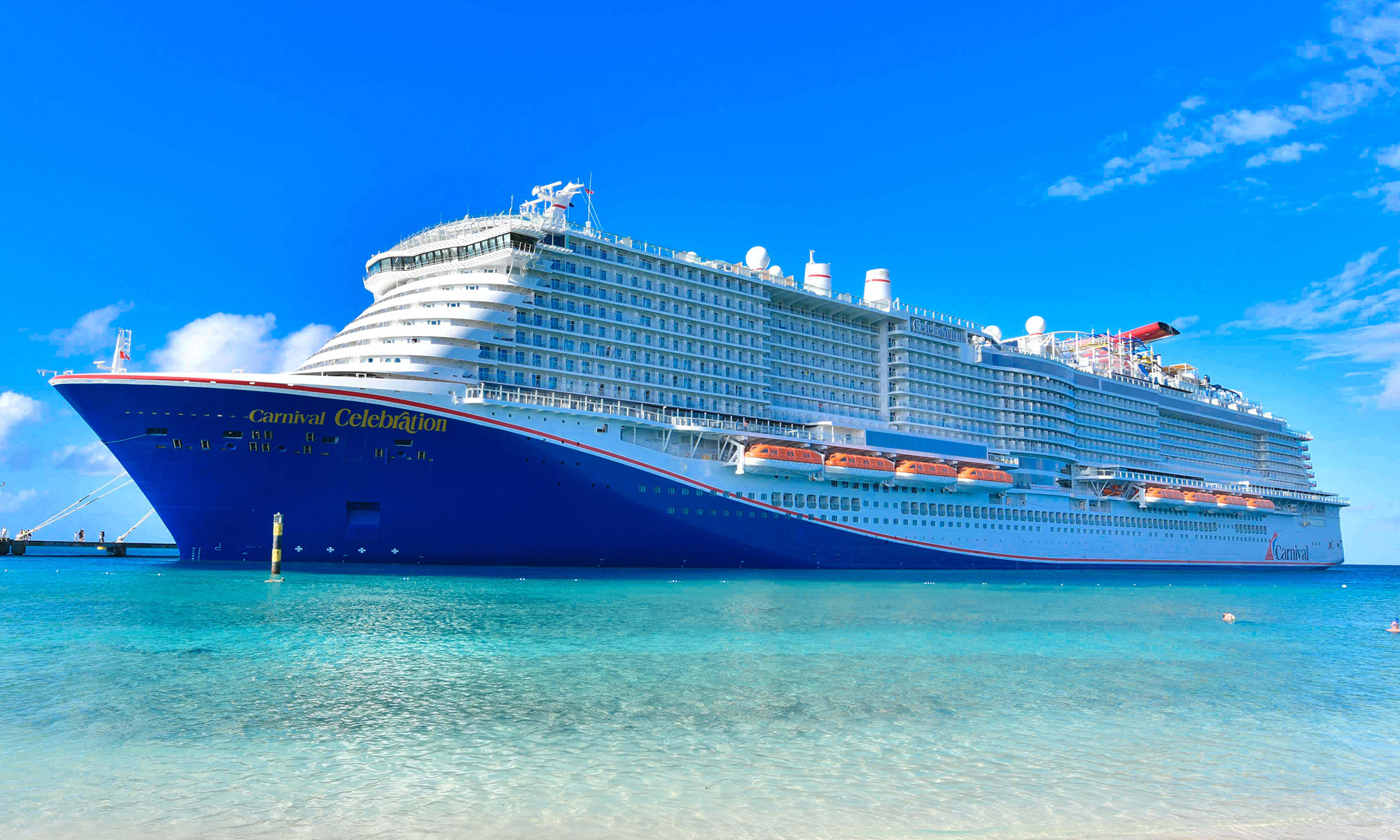
Image source: Carnival.
Carnival continues to post record financial results
After the pandemic completely disrupted the business by shutting down operations and tanking sales, Carnival now operates from a robust position. It seems that not a quarter goes by in which the company isn't putting up record metrics across the board. This was the case over the past year, as Carnival finished up a historic fiscal 2025 (ended Nov. 30).
Revenue increased 6% year over year to $26.6 billion, while operating income surged 25% to $4.5 billion. Adjusted net income soared 60% to $3.1 billion, and customer deposits totaled $7.2 billion. These four numbers all represented records, so investors don't have much to complain about.
Even better, the financial situation is improving. Carnival's debt burden has been reduced by $10 billion since hitting a peak in 2023. Ratings agencies have upgraded the company's bonds. These positive trends help make Carnival a less risky investment candidate.
It's not difficult for interested investors to be optimistic when they look at the next five years, as Carnival's business is clearly in a strong position. Management isn't sitting around, as it plans to expand the cruise-line's fleet, while also finding ways to boost the returns on its existing ships with upgraded amenities and enhanced experiences for guests.
The cruise industry is positioned to keep growing
Investors shouldn't expect Carnival to keep reporting huge financial gains similar to what it achieved in recent years. It's now entering a phase of more normalized growth following the bounce back from the easy comparisons during the pandemic days. Investors still have a very important reason to be bullish, though.
The global cruise industry should provide Carnival with an accommodative environment to maintain its success. Research from JPMorgan Chase shows that there's more interest not only from first-time cruisers, but also from younger consumers. This expands the opportunity set. Cruises are also viewed as providing a better customer value proposition than land-based travel options.
Carnival is in a great position to capture this opportunity because it has developed an economic moat that helps it maintain a strong position in the cruise-line industry. Carnival's brand holds tremendous value in the minds of consumers, supporting pricing power. The company also benefits from its scale, allowing it to leverage its size when buying fuel, food, and supplies, and taking on debt.

NYSE: CCL
Key Data Points
Valuation will play a factor
Carnival shares have skyrocketed 282% in the past three years, driven by the company's incredible fundamental performance as it fully recovered from the health crisis. Despite this monster gain, the valuation is still compelling. The market is offering up the stock to investors at a price-to-earnings ratio (P/E) of 15.4, which is much cheaper than the S&P 500's 25.7 multiple.
I believe this setup introduces the possibility that Carnival shares will benefit from valuation expansion. However, it's difficult to tell what the "right" P/E should be five years from now, as market sentiment is unpredictable. If the stock reaches parity with the closely watched index, it implies 67% upside. That can be a powerful tailwind for shareholder returns.
Profit gains shouldn't be ignored, either. According to Wall Street consensus sell-side analyst estimates, Carnival's earnings per share are slated to grow at a compound annual rate of 12% between fiscal 2025 and fiscal 2028. Along with a low starting valuation, the bottom line can help the stock outperform the market over the next five years.