

Given that Warren Buffett is one of the greatest, if not the very best, investors of all time, it's understandable that the market closely follows his stock picks and is always curious about what Buffett has to say about investing and the stock market, such as in his annual letters to shareholders.
In 1957, Buffett stated in a letter to his limited partners that he was invested in a mix of 70% stocks and 30% corporate work-outs. He described a work-out as "an investment which is dependent on a specific corporate action for its profit rather than a general advance in the price of the stock as in the case of undervalued situations." He provided sales, mergers, liquidations, and tenders as examples.
I've seen some other articles that suggest the 70/30 rule means investing in 70% stocks and 30% bonds, although based on Buffett's description, it seems more like 70% stocks and 30% special situations. Should investors stick to this rule in 2026?
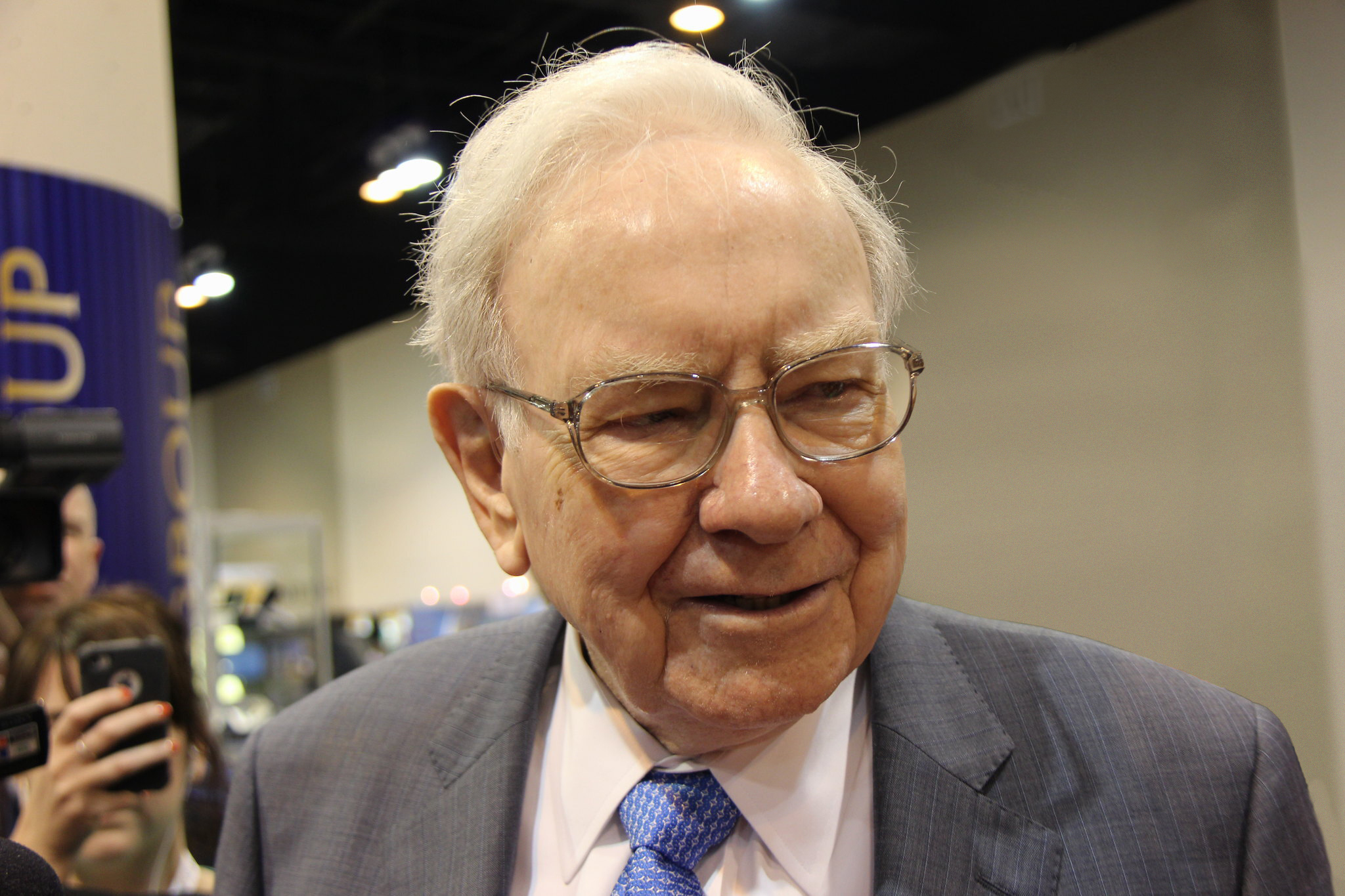
Image source: The Motley Fool.
Buffett recommends different strategies based on investment experience
I'm not sure Buffett invests as much in special situations as he once did, primarily because Berkshire's massive size makes it more difficult for the company to acquire smaller, lesser-known stocks. Buffett seems to adhere more to buying wonderful companies at fair prices.
That said, Buffett generally takes an aggressive investment approach. For instance, he has called diversity "protection against ignorance." If Buffett has high conviction in an opportunity, he recommends going all in, and by all accounts, lives by this methodology. At one point not long ago, Buffett had roughly 40% of Berkshire's portfolio invested in Apple.
Buffett has also previously said that if he were going to invest his wife's portfolio, he'd put 90% in the broader benchmark S&P 500 index and 10% in short-term U.S. Treasury bonds. Generally, Buffett also recommends that most investors simply put their funds into low-cost index funds, which will still achieve the desired results.
So, while it's challenging to gauge Buffett's perspective on special situations at present, it's clear that he still advocates for a more aggressive portfolio, particularly if the investor has a long-term time horizon.
In my view, it all boils down to investing experience. If you have the time to put in extensive research and also know what you're doing, then yes, it's OK to be aggressive and invest in individual stocks and special situations. However, if you're not very knowledgeable, you should still invest in growth assets like stocks, but it's better to do so in a more diversified manner like an S&P 500 index.


