Artificial intelligence (AI) stocks propelled the stock market to gains over the past three years, and this momentum may be far from over. This is because the AI story isn't a flash in the pan. Instead, the technology, with the promise of revolutionizing how many things are done, is well-positioned to generate long-term growth for companies that develop and use it.
The AI market, valued at about $300 billion today, is on track to reach into the trillions of dollars a few years from now -- and those who invest in certain key players could generate significant returns. Of course, there won't be only one winning company. There are plenty of opportunities to generate growth from AI, and that opens the door to success for many types of businesses, from chip designers to cloud service providers, software businesses, and more.
But if I could only buy one stock to bet on the AI boom right now in 2026, it would be this one...

Image source: Getty Images.
What's happened in AI so far
So, first, it's important to quickly recap what has unfolded so far in this AI revolution and consider what to expect in 2026. In recent years, companies and researchers have trained AI models so that they can then go on to help people as well as companies and governments in many areas -- from organizing a team of workers to developing new products and services.
Some companies have been involved in this development of AI, designing chips or networking equipment, or offering access to such products. Others already have started applying AI to their businesses to gain in efficiency or boost innovation. Many of these companies already have generated impressive growth from this involvement in AI.
But we're still in the early stages of this AI story. What's coming next, ramping up this year and continuing throughout this decade, is an increase in AI infrastructure spending. This is to accommodate the great demand for AI workload capacity. Cloud service providers, for example, are expanding their data centers as part of this movement.
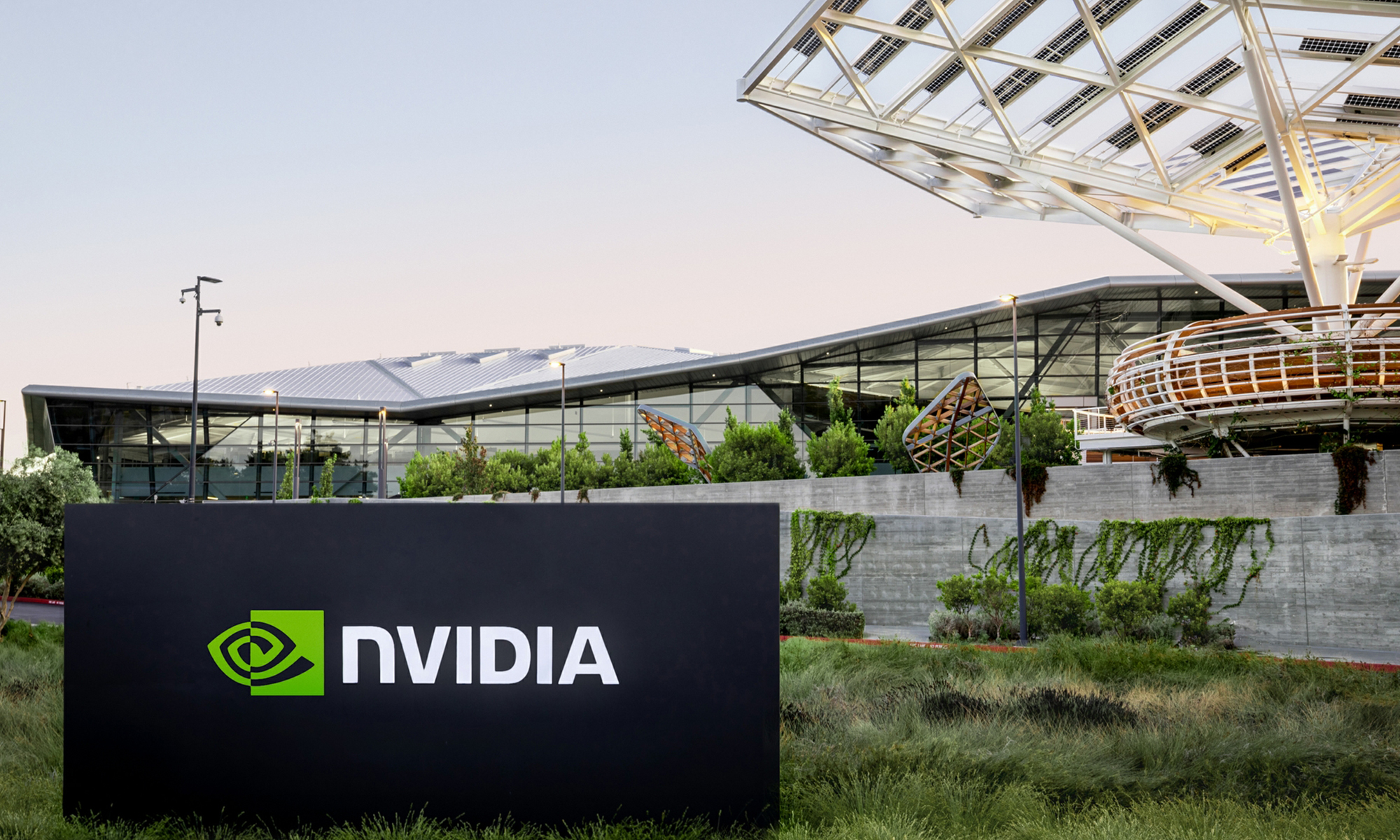
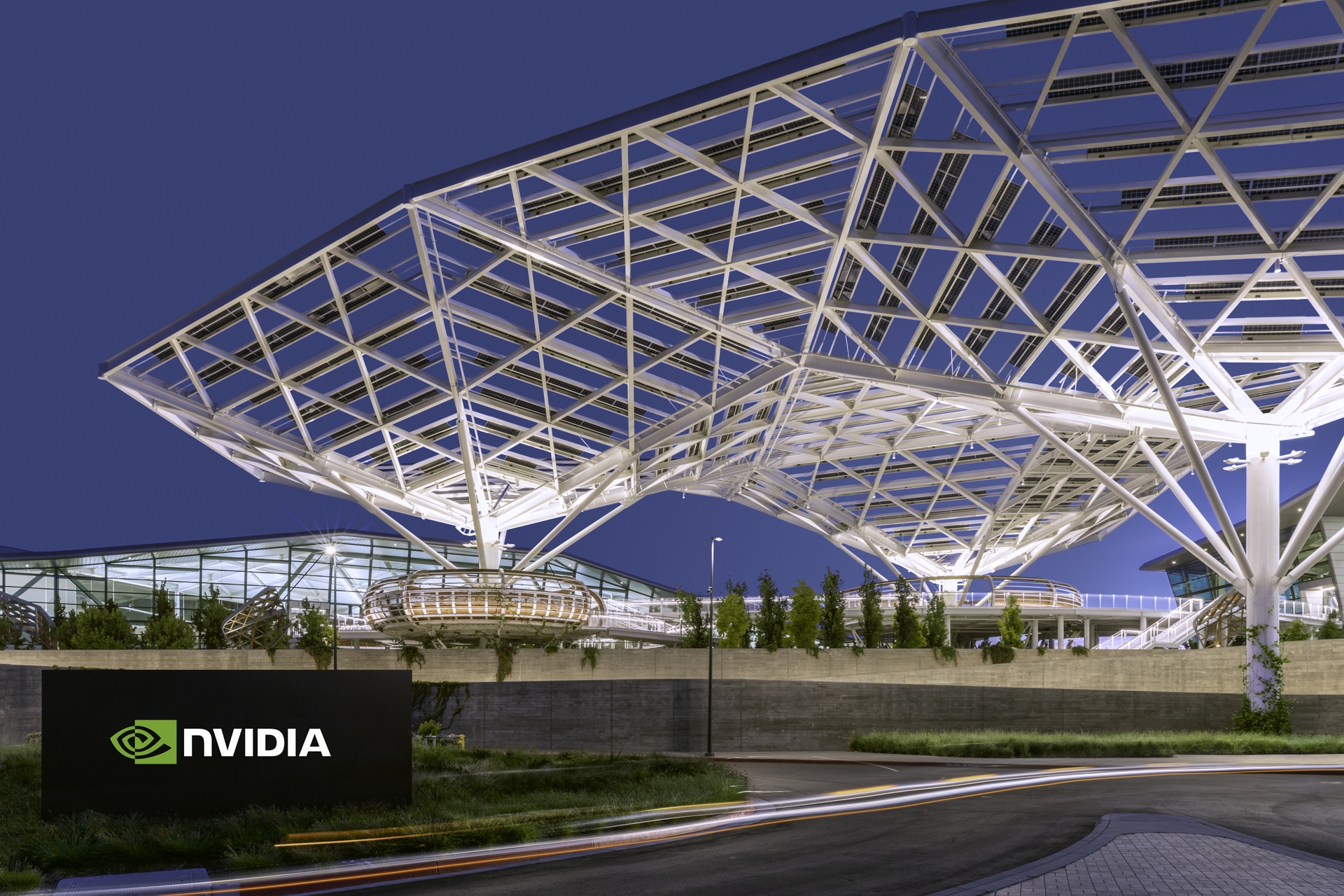
And though what is set to unfold in the coming year and beyond could favor many companies, one player in particular may be the biggest winner. And that company is Nvidia (NVDA 1.53%). Nvidia chief Jensen Huang has spoken extensively about this phase ahead, predicting AI infrastructure spending may reach $3 trillion to $4 trillion by the end of the decade.

NASDAQ: NVDA
Key Data Points
A key element in data centers
I have a few reasons for saying Nvidia will benefit the most from this as it starts unfolding in 2026. First, AI chips are a key element needed when expanding an AI data center. Now here's a crucial point: Nvidia is the designer of the world's most powerful AI chip, and many AI customers want to give themselves the best chance possible to win in AI, so they probably will see value in buying market-leading products. All of this means it makes sense for cloud providers to invest significantly in Nvidia chips and systems as they ramp up their offerings.
Second, Nvidia is likely to remain in its leadership position as it's committed to innovation -- promising to update its chips annually -- and has made moves to reach out to others to increase its strength. For example, it plans to acquire the AI inferencing technology of start-up Groq to complement its own systems.
Third, Nvidia's founder and leader, Huang, has proven his dedication to this AI mission and also has made the right decisions at the right times. He made it a priority to design Nvidia's latest releases, Blackwell and Blackwell Ultra, for expertise in inferencing. This is the powering of AI through real-world uses, and it represents another key growth driver for AI companies in 2026 and onward.
Meanwhile, Nvidia stock, trading at 40x forward earnings estimates, may not be cheap, but considering the company's position in AI and prospects down the road, it's reasonably priced. This offers room for the stock price to run, both this year and over the coming years. And that's why, if I could only buy one stock to bet on the AI boom this year, Nvidia would be the one.