Chipotle (CMG +0.93%) is the king of the fast-casual restaurant industry, but one area where the restaurant chain falls short is catering. Catering accounts for just 1% to 2% of Chipotle's sales, according to CEO Scott Boatwright, compared to 5% to 10% at peers.
The company has a multi-pronged plan to address this discrepancy, and it couldn't come at a better time. Comparable sales rose by just 0.3% in the third quarter, and Chipotle expects a decline for the full year. The company is battling macroeconomic headwinds that are unlikely to vanish anytime soon, so creating new revenue streams is critical to getting the growth story back on track.

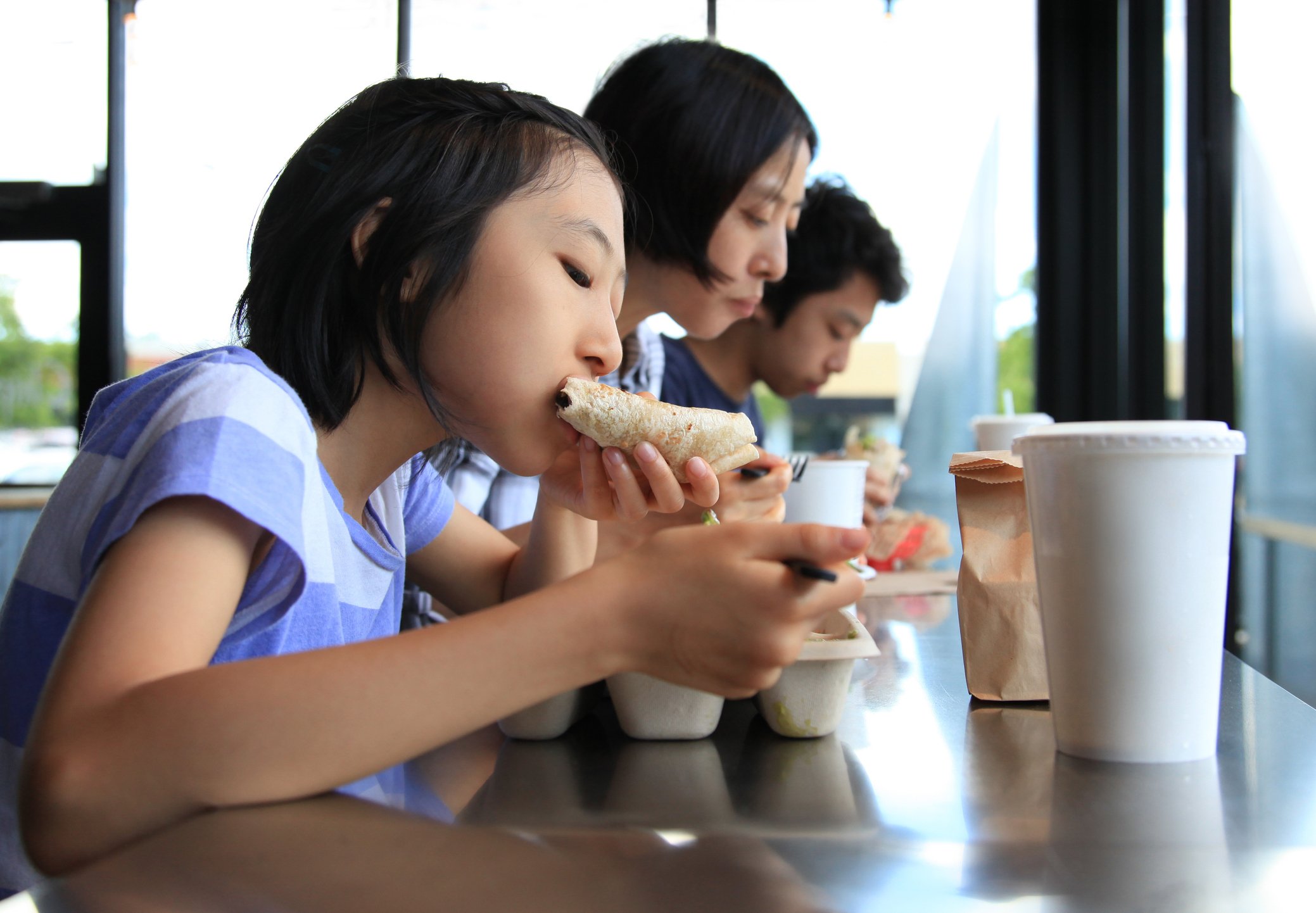
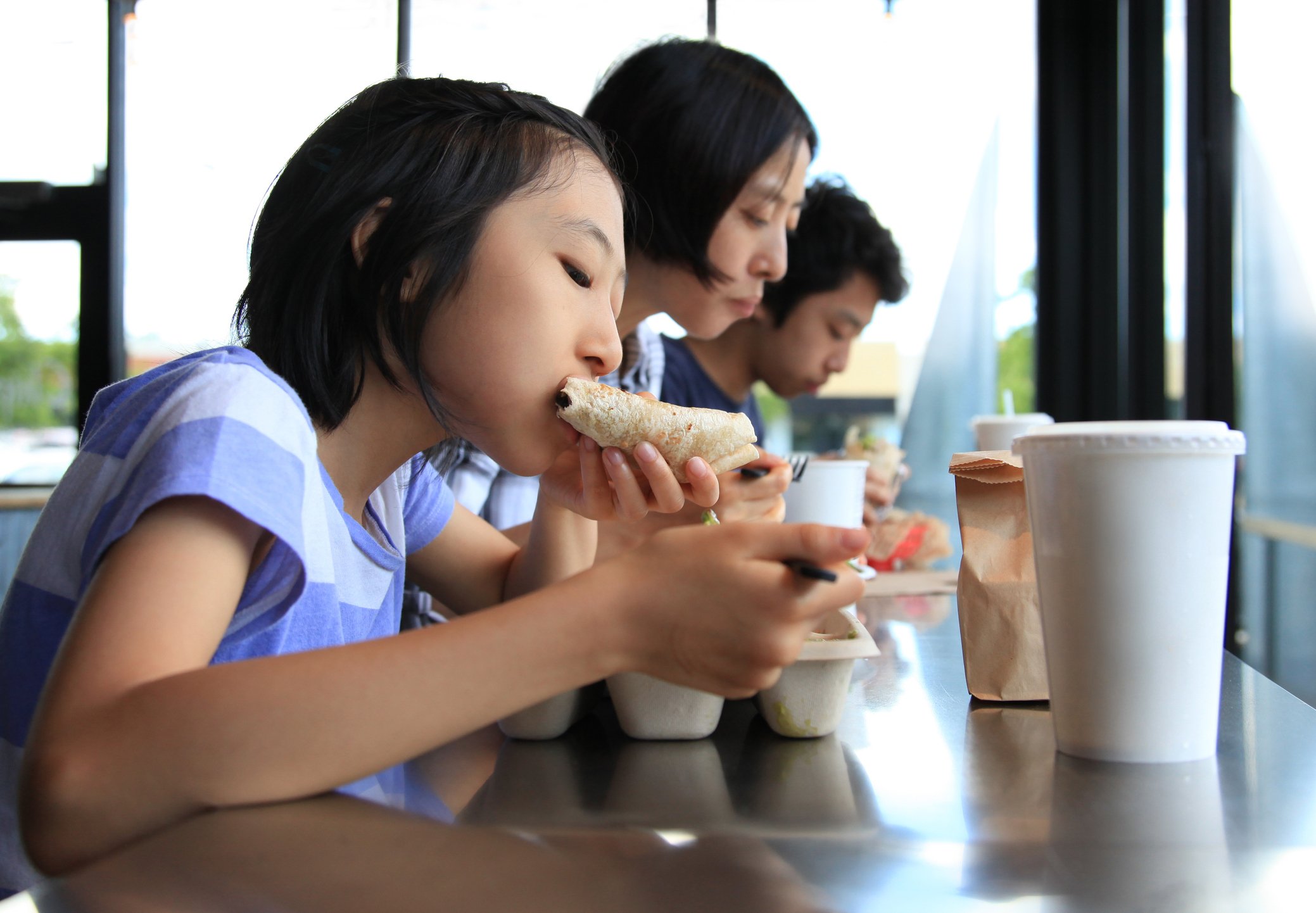
Image source: Getty Images.
A neglected $1 billion opportunity
Chipotle is popular with individual diners and small groups, but the company has struggled to effectively serve larger groups. Boatwright said during the third-quarter earnings call that just 2% of transactions come from groups of four or more.
Analysts expect Chipotle to generate close to $12 billion in revenue this year. Based on Boatwright's estimates, catering currently generates between $120 million and $240 million in revenue annually. If the company can grow its catering business to match its peers, catering revenue could expand to $1.2 billion over time. Catering represents an opportunity to tack on around $1 billion in largely incremental revenue, as it is unlikely to cannibalize the existing business.
The number of transactions at Chipotle's restaurants declined by 0.8% in the third quarter. Chipotle is introducing new menu items and taking other steps to return to transaction growth, but the state of the economy is working against the company. Expanding the catering business offers an additional path to reaccelerating revenue growth as the company navigates a tough environment.

NYSE: CMG
Key Data Points
Two new initiatives show promise
Chipotle is tackling its deficiency in serving larger groups with two new initiatives. First, the company launched a catering pilot at 60 restaurants in Chicago late last year. The pilot features high-efficiency equipment and a new technology stack to manage orders, and a marketing push is coming to drive customers to the new offering.
The major challenge Chipotle faces as it aims to expand its catering business is avoiding disruption. The company must accommodate an increase in catering orders at its existing restaurants without slowing down or otherwise impeding the standard service of fulfilling in-person and online orders. It will take time for Chipotle to figure out the best way to accomplish this, so growing the catering business is likely to be a story that plays out over multiple years.
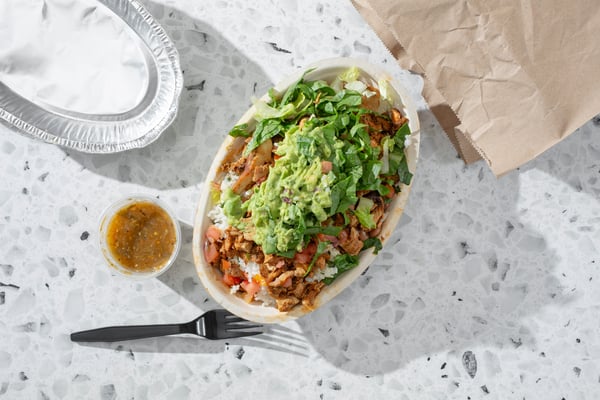
For groups too small for traditional catering, Chipotle has a second initiative that's already gaining traction. Chipotle's Build Your Own Chipotle offering, which was rolled out in August and is only available to order through digital channels, fills the gap between individual diners and large groups. BYOC is designed to serve between 4 and 6 people and includes all the necessary ingredients to construct bowls, salads, or soft tacos.
It's still early, but Chipotle is already seeing positive results from the BYOC rollout. So far, cannibalization has been minimal. BYOC has attracted new customers and increased the ordering frequency among existing customers, according to Boatwright. For families facing increasing pressure on household budgets, this catering-like option could be a popular choice.
Chipotle won't accelerate sales growth overnight, but the catering pilot and the BYOC initiative appear promising. As the catering pilot progresses, and as Chipotle's marketing efforts highlight these new options, the company's financial results could start to improve later in 2026. In the long run, these efforts to better serve large groups could unlock $1 billion or more in new revenue.
As Chipotle faces an intense competitive landscape in the fast casual industry, along with economic pressures on its core consumers, the timing couldn't be better for the company to target an underserved group of potential customers.