Artificial intelligence (AI) is forever changing how businesses operate. The United Nations Trade and Development report describes AI as the "defining technology of our time" and projects the market to grow from $189 billion in 2024 to $4.8 trillion by 2033.
To help you profit from this opportunity, here are two businesses that will play crucial roles in building an autonomous future.
Image source: Getty Images.
Microsoft
Microsoft's (MSFT +0.24%) dominance in productivity software positions it well to benefit from the adoption of enterprise AI. The company has integrated AI tools across its offering, including Azure cloud services and Office software, driving robust growth across the company.
Microsoft Cloud revenue, which includes commercial sales for 365, Azure, LinkedIn, and Dynamics 365, reached $49 billion in the recent quarter, representing a 26% year-over-year increase. Azure is on pace to eventually take the No. 1 spot from Amazon in the $390 billion cloud services market.

NASDAQ: MSFT
Key Data Points
These results demonstrate that Microsoft's investments in AI are solidifying its competitive position. Its Copilot family of AI assistants is already making a significant impact on productivity in areas like coding and other fields of work. In the most recent quarter, adoption of Copilot grew 50% quarter over quarter.
"We are seeing increasing demand and diffusion of our AI platform and family of Copilots, which is fueling our investments across both capital and talent," CEO Satya Nadella said on the last earnings call in October. To meet the demand, Microsoft plans to double its data center infrastructure over the next two years.
Analysts expect Microsoft's revenue to grow approximately 15% on an annualized basis, reaching $562 billion by fiscal 2030. The stock is likely to follow that growth, potentially doubling in value over the next five years.
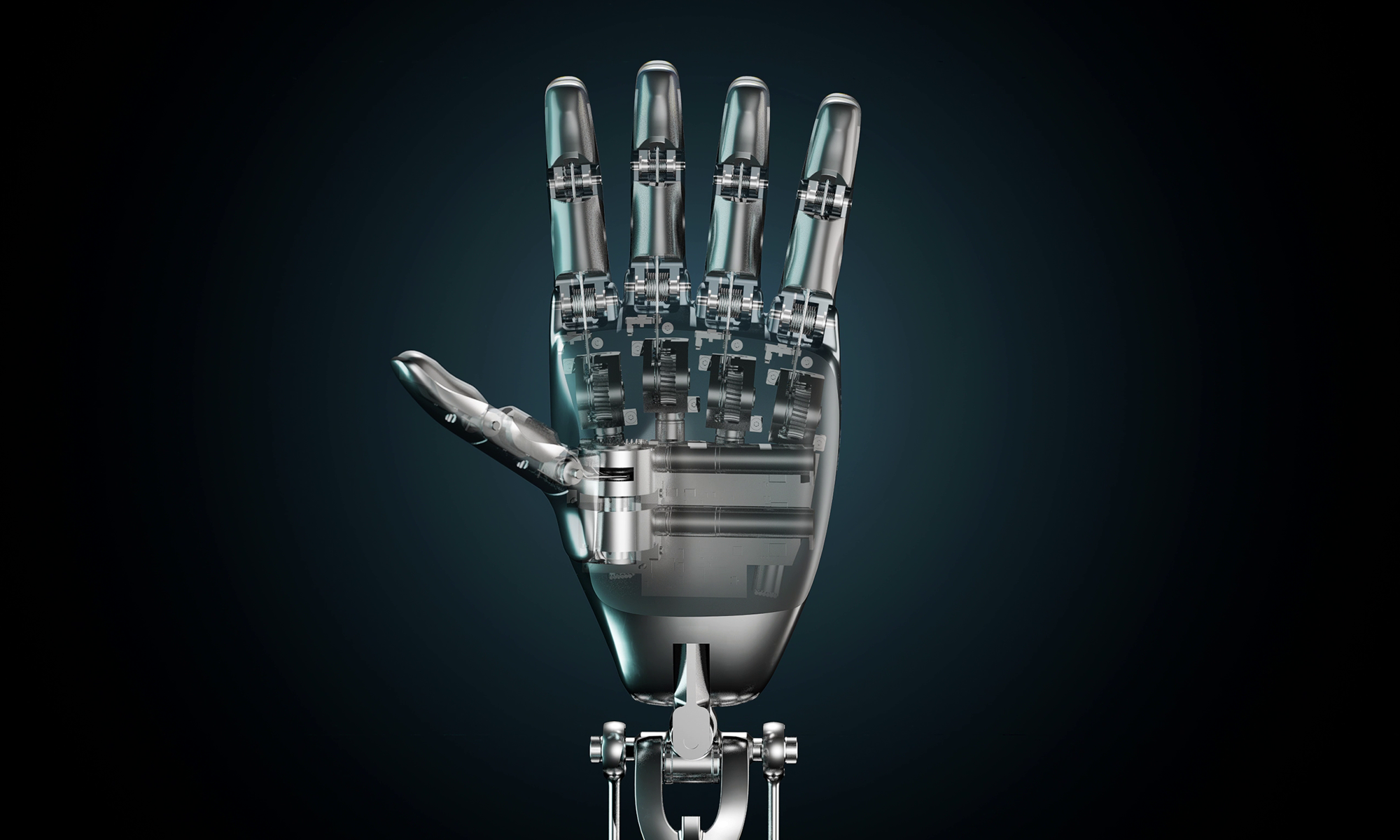
Image source: Tesla.
Tesla
While AI has primarily been a story of speeding up workflows and productivity through software, autonomous cars and robots could completely reshape people's lifestyles within the next 20 years. As one of the most efficient manufacturers in the world, Tesla (TSLA +2.06%) is well-positioned to capitalize on this opportunity.
Despite a challenging environment for auto sales over the past few years, Tesla's efficiency has been highlighted by its robust cash flows. The company's cash from operations totaled over $15 billion on a trailing-12-month basis through the third quarter. Tesla has $29 billion in net cash on its balance sheet. This is a huge advantage for Tesla as it invests in world-class AI products.

NASDAQ: TSLA
Key Data Points
Tesla is already starting to test the Cybercab in Austin, Texas, which has been its testing ground for its robotaxi service since June. This is a big deal, as it signals that Tesla could be planning to accelerate the ramp-up of its robotaxi service in the near future. The growth of the robotaxi business is a significant catalyst for the stock, as the favorable economics of operating an autonomous fleet are expected to generate healthy profits.
Tesla also continues to make progress developing its Optimus humanoid robot. The enormous value this product could bring to manufacturing across many industries, particularly in performing repetitive and hazardous tasks, could make it the most valuable product for Tesla. Morgan Stanley believes the demand for humanoids will eventually exceed 1 billion units, primarily for industrial and commercial use. Tesla could dominate this market, given that it had to build the entire supply chain to manufacture these machines, which require unique parts.
Tesla has a good chance to lead the market for both robotaxis and humanoid robots, which could be worth trillions combined. Just looking ahead to the next five years, analysts expect Tesla's revenue to grow approximately 15% per year, reaching $220 billion by 2029, with free cash flow increasing nearly 30% per year to exceed $20 billion.