In 2021, General Electric announced it would split its sprawling business into three companies. It spun off its healthcare business as GE HealthCare (GEHC 0.49%) in 2023, and its energy business as GE Vernova (GEV 1.11%) in 2024. The remaining aviation business was rebranded as GE Aerospace (GE 2.62%), which retained its original ticker symbol.
Over the past 12 months, GE Vernova's stock rallied 70% -- compared to GE HealthCare's nearly flat return and GE Aerospace's gain of almost 90%. Today, we'll take a closer look at GE Vernova -- which is well-poised to profit from the energy sector's cyclical growth -- to see if its stock can soar even higher over the next 12 months.

Image source: Getty Images.
What does GE Vernova do?
GE Vernova operates three main businesses: Power (53% of its orders in its latest quarter), Electrification (35% of its orders), and Wind (12% of its orders).
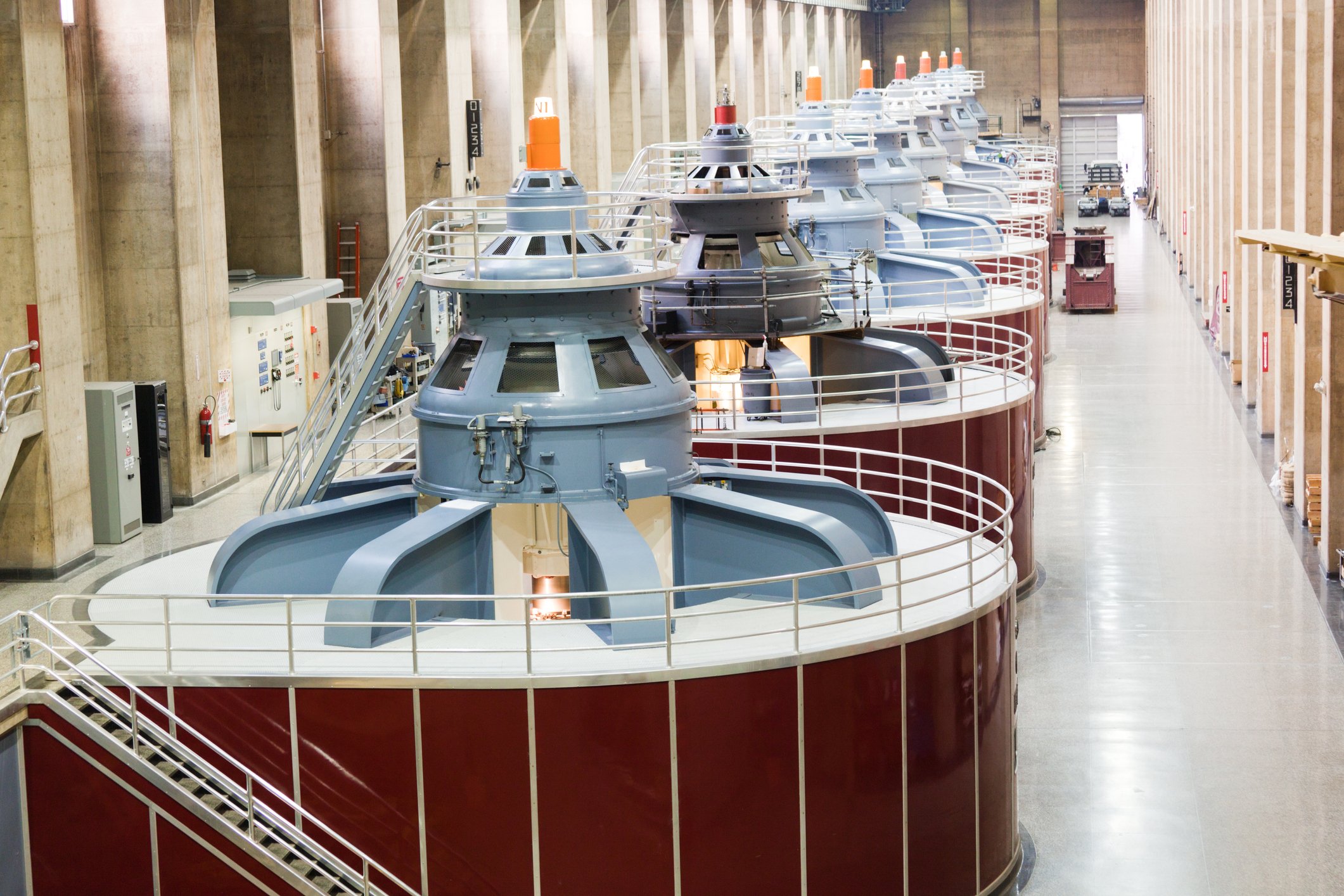
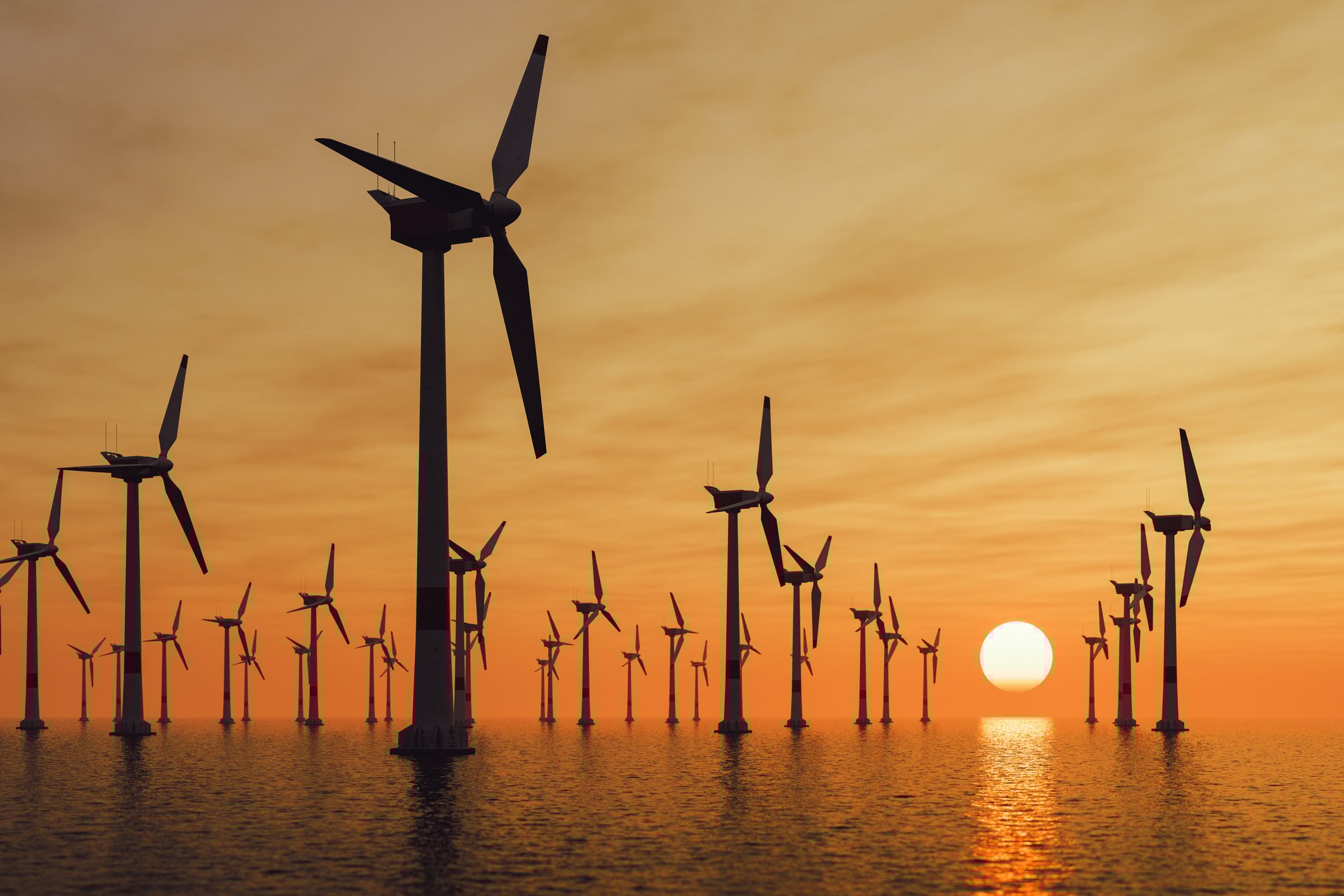
The Power segment sells heavy-duty gas turbines for combined-cycle plants, steam turbines for coal, gas, and nuclear plants, as well as fuel, maintenance, and upgrade services for atomic plants. The Electrification segment sells transformers, breakers, substations, high-voltage direct current systems, and various automation, optimization, and protection services for electrical grids. The Wind segment primarily sells onshore and offshore wind turbines. Here's how those three core businesses fared, as measured by their organic growth in orders, over the past year.
|
Organic Orders Growth (YOY) |
Q3 2024 |
Q4 2024 |
Q1 2025 |
Q2 2025 |
Q3 2025 |
|---|---|---|---|---|---|
|
Power |
34% |
24% |
28% |
44% |
50% |
|
Electrification |
17% |
122% |
(3%) |
(31%) |
102% |
|
Wind |
(19%) |
(41%) |
(43%) |
(5%) |
4% |
|
Total |
17% |
22% |
8% |
4% |
55% |
Data source: GE Vernova. YOY = Year-over-year.
The Power segment's expansion was fueled by a growing demand for gas turbines, and its recurring service revenues rose as it maintained and upgraded its customers' plants. The rapid growth of the power-hungry cloud infrastructure, data center, and artificial intelligence (AI) markets is also driving more utility companies to upgrade their power plants.
The Electrification segment, which helps those companies upgrade their power grids, also benefited from that secular trend. Its year-over-year growth was lumpier over the past year -- since it relies on large, irregular, and non-recurring projects -- but it's still expanding.
The Wind segment struggled as it grappled with delays at its onshore wind projects, execution issues at its offshore wind projects, and various supply chain constraints. It also decided to be more selective with those projects, which further reduced its short-term order flow. However, it grew again in its latest quarter as the growth of its onshore wind services offset its other issues.

NYSE: GEV
Key Data Points
What will happen to GE Vernova over the next few years?
GE Vernova expects the Power segment's organic revenue to rise 6%-7% in 2025, 16%-18% in 2026, and at a high-teens CAGR through 2028. It expects the Electrification segment's organic revenue to "trend toward" 25% growth in 2025, grow "approximately 20%" in 2026, and also increase at a high-teens CAGR through 2028. That rosy outlook suggests the company will continue to benefit from the increasing global demand for electricity.
As the company scales up those two growth engines, its costs are expected to decline, its pricing power should improve, and its margins are expected to expand. It expects the adjusted earnings before interest, taxes, depreciation, and amortization (EBITDA) margins of both the Power and Electrification segments to grow from 14% to 15% in 2025 to 22% in 2028.
As for its Wind business, it expects its organic revenue to decline by high single digits in 2025, dip by low single digits in 2026, and continue to shrink at a negative low double-digit CAGR through 2028. On the bright side, it plans to right-size the business and rein in its spending. Assuming those plans are successful, it predicts that its adjusted EBITDA margin will improve from a negative level in 2025 to a positive 6% by 2028.
From 2025 to 2028, it expects its total revenue to increase from $36 billion to $52 billion and its adjusted EBITDA margin to expand from 8% to 20%. It predicts that its free cash flow (FCF) will rise from $3.5 billion to $4.0 billion in 2025, with a cumulative total (from 2025 to 2028) exceeding $22 billion.
Where will GE Vernova's stock be in a year?
With an enterprise value of $166.1 billion, GE Vernova doesn't appear to be a bargain at 31 times its projected adjusted EBITDA for 2026. However, its strong growth rates could justify that higher valuation, especially as the global energy boom continues.
If it matches analysts' expectations for 2027 and continues to trade at the same EV/EBITDA ratio, its stock could rise by more than 50% over the next 12 months. That wouldn't match its return from the past 12 months, but it could still stay comfortably ahead of the S&P 500.