In the global electric vehicle (EV) landscape, two prominent leaders stand out: Tesla (TSLA 0.24%) and BYD (BYDDY 1.09%). While they are using very different strategies to add shareholder value, both offer investors long-term durability and world-class innovation.

NASDAQ: TSLA
Key Data Points
High hopes for Tesla in software and robotics
Tesla ultimately aims to be recognized as a software company that also manufactures electric cars. Tesla's pivot away from being exclusively known as an electric vehicle manufacturer is a risk. Tesla is putting several irons in the fire as it shifts focus to full self-driving capabilities, robotics, AI, and energy storage.
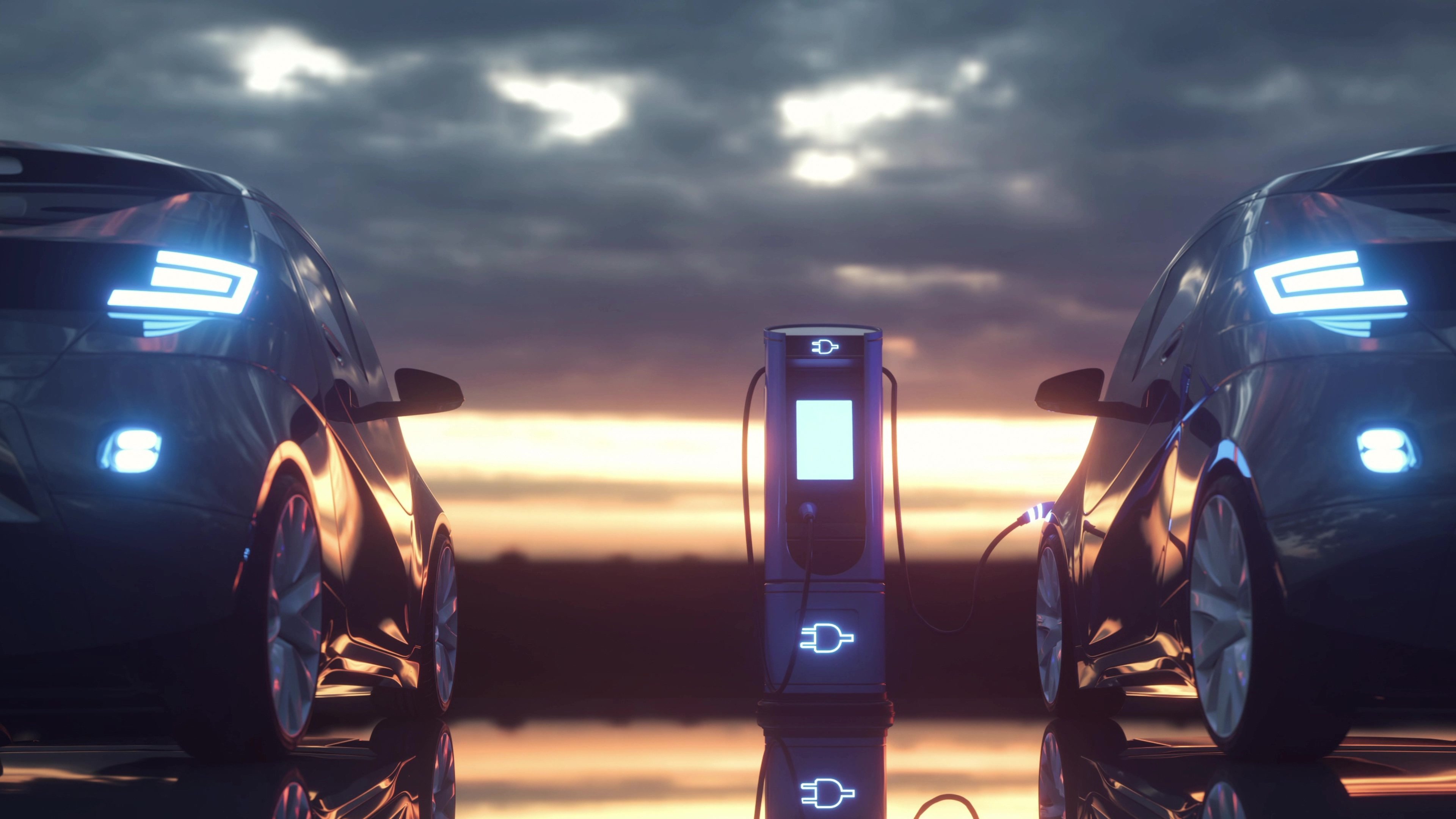
Image source: Getty Images.
Tesla's stock is extraordinarily expensive. Its trailing price-to-earnings ratio is currently over 300. Tesla also has a massive market cap of $1.4 trillion. The premium investors pay for Tesla has a lot to do with the belief that CEO Elon Musk will deliver on innovative promises in the coming decades.
BYD is growing quickly across the globe
BYD dominates internationally because of its vertically integrated model and ability to compete on price. The Chinese EV maker is also rapidly expanding in international markets.

OTC: BYDDY
Key Data Points
BYD's stock isn't as expensive as Tesla's, but it does still trade at a premium. BYD is up 16% in the past 12 months as of Jan 14. Much like Tesla, BYD is technologically advanced, but it is keeping its focus on creating affordable electric cars for the world's population. BYD vehicles are present in more than 100 countries.
Over the long term, Tesla offers investors innovation that's hard to beat and a globally recognizable brand. BYD provides excellence in manufacturing and execution. I think there's more risk with Tesla, but also more long-term upside potential because of its pivot away from EVs. This makes Tesla a better play for investors who can tolerate more volatility and have a longer time horizon. For those with less risk tolerance and capacity, BYD is the better option based on its steady growth and scalability in the affordable car market. However, the upside potential aligns more with traditional car manufacturers than tech companies.