Cameco (CCJ 0.13%) is a well-run business. It produces and processes uranium into the fuel that is used by nuclear power plants. And through its 50% acquisition of Westinghouse, it also provides services to the nuclear power industry. If you are interested in nuclear power, Cameco is a solid pick-and-shovel play on the sector. Is that enough to make Cameco worth buying?
What does Cameco do?
As noted, Cameco is a supplier to the nuclear power industry. However, it is important to understand what that really means before you buy the stock. The Westinghouse acquisition, which is a relatively small part of the overall business today, generally provides a consistent revenue stream. It was added to the company's portfolio to smooth its revenue and earnings.

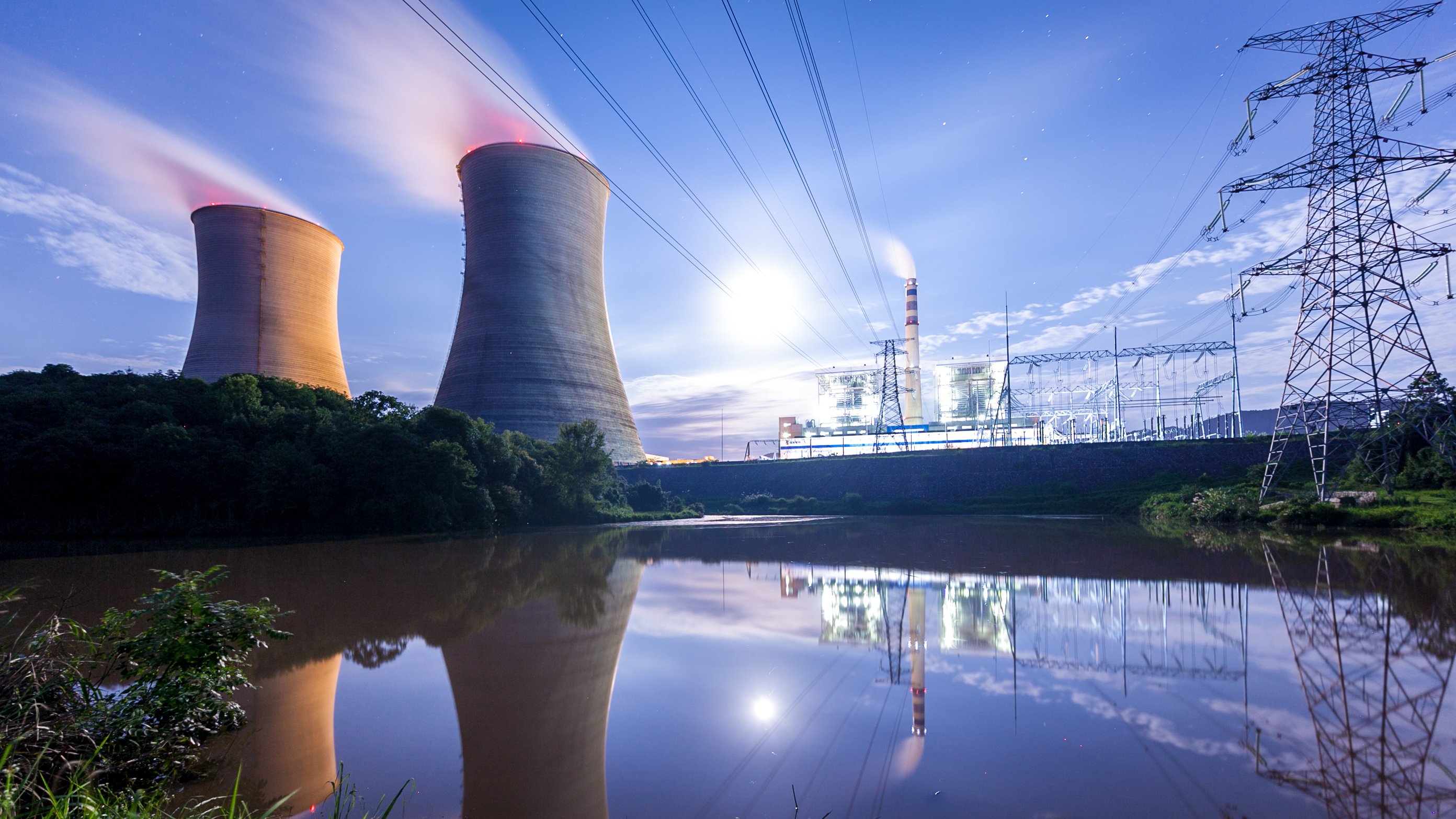
Image source: Getty Images.
This is notable because the company's uranium mining and processing business is a commodity-driven operation. Cameco tries to limit the volatility in this operation by using long-term contracts. However, it can't completely avoid the impact that large uranium price swings can have on the income statement.
Historically, uranium has been a very volatile commodity. That's partly due to supply-and-demand trends. But it is also related to the high-profile impact of nuclear meltdowns. When there is an accident, the last one being Fukushima in Japan in 2011, uranium prices can plunge. And the entire nuclear power industry can suddenly be out of favor.
Right now, nuclear power is in high demand, and uranium prices have recovered from their post-Fukushima lows. However, before you buy Cameco, you need to ask yourself whether you can handle owning a stock tied to a volatile commodity. If the answer is no, you shouldn't buy Cameco.
Is Cameco a good value?
If you are willing to accept the inherent volatility of Cameco's business, you still need to decide if it is trading at an attractive price. A look at the stock's valuation will help on that score.
Cameco's price-to-sales ratio is currently around 20, compared to its five-year average of 8. That suggests a premium valuation. The stock's price-to-earnings ratio is 130. There is no five-year average due to a loss over the past five years, but that doesn't change the takeaway. A 130 P/E ratio is extremely high on an absolute basis. The story doesn't change with price-to-book value, which sits at 10 compared to a five-year average of 3.

NYSE: CCJ
Key Data Points
Cameco is a well-run company, and with the addition of Westinghouse, it is likely to be a less volatile business. And the resurgence of nuclear power as a valuable energy source is real, so it makes sense that investors are enthusiastic about Cameco's future. However, it appears investors have already priced a lot of good news into the share price right now. Even if you are willing to accept the inherent volatility of uranium mining, paying a premium price for the stock probably won't be a great investment decision.
This type of enthusiasm isn't unusual. As Benjamin Graham is credited with saying, Wall Street is a weighing machine over the long term, but nothing more than a voting machine in the short term. Often, investors flock to the hottest investment stories like lemmings, with what seems like total disregard for valuation. Nuclear power is just such a story today, with Cameco being only one example.
Cameco is best left on the watch list
Investors have to make trade-offs every time they consider buying a stock. In the case of Cameco, the price tag will likely appear a bit too lofty for most investors despite the resurgence of the nuclear power industry. That's not a knock on the company, which is well run. It is a commentary on Wall Street, which seems to have used the nuclear power renaissance to place a premium price on Cameco's stock.