Demand for nuclear power is on the rise. The United States, along with numerous countries worldwide, is looking to drastically expand its nuclear energy capacity to meet growing demand from artificial intelligence (AI) data centers while also reducing reliance on less-reliable countries.
This presents a significant opportunity for Cameco (CCJ +0.64%), the Canada-based uranium miner. Here are three reasons why investors may want to consider scooping up this nuclear stock.

NYSE: CCJ
Key Data Points
1. Demand for uranium is increasing
The demand for uranium is closely tied to utilities shifting from a just-in-time delivery model to a more strategic stockpiling approach. In the last year alone, long-term contracting volume has surged by 40%. Many of these contracts are being signed for $85 to $130 per pound, which is above the spot uranium price right now.
This demand is coming at a time when many countries are extending the useful life of existing reactors. This creates demand that was previously unanticipated, as these reactors were expected to be offline but now require fuel for at least another two decades.
As of Sept. 30, Cameco has commitments for average annual deliveries of over 28 million pounds of U3O8 (the raw product that is eventually turned into nuclear fuel) from 2025 through 2029, with the majority of deliveries occurring before 2027.
For 2025, the company has projected a higher average realized price of roughly $87 per pound, up from $79.70 last year. The company has also said that uranium is trading at $100 per pound in private contracts, even though spot prices are lower.
2. Geopolitical risks will impact the supply of uranium
The case for investing in the uranium miners isn't just about demand; falling supplies are the other side of the equation investors must consider.
Geopolitical tensions remain high following Russia's invasion of Ukraine, and Western utility providers are looking to decouple from Russian supply. In May 2024, then-President Joe Biden signed the Prohibiting Russian Uranium Imports Act. Companies have waivers to purchase uranium from Russia if no viable alternative sources exist, but these waivers are set to expire on Jan. 1, 2028.
Russia is a top uranium producer and has historically supplied roughly one-quarter of the U.S. reactor fleet's fuel. The ban on Russian uranium has forced utilities to compete for a limited supply from Western miners. Cameco benefits because it has two high-grade mines (McArthur River and Cigar Lake) in Saskatchewan, Canada, which account for a big chunk of the Western world's high-quality uranium supply.
3. An ownership stake in Westinghouse gives it exposure to the nuclear plant build-out
Extending the useful life of existing nuclear power plants isn't enough; the U.S. also needs to build out new ones. This is where Westinghouse comes into play. Westinghouse is a top original equipment manufacturer (OEM) and a service provider to the nuclear industry. It helps build nuclear power plants and also provides ongoing outage and maintenance services, engineering support, and replacement parts for reactors worldwide.
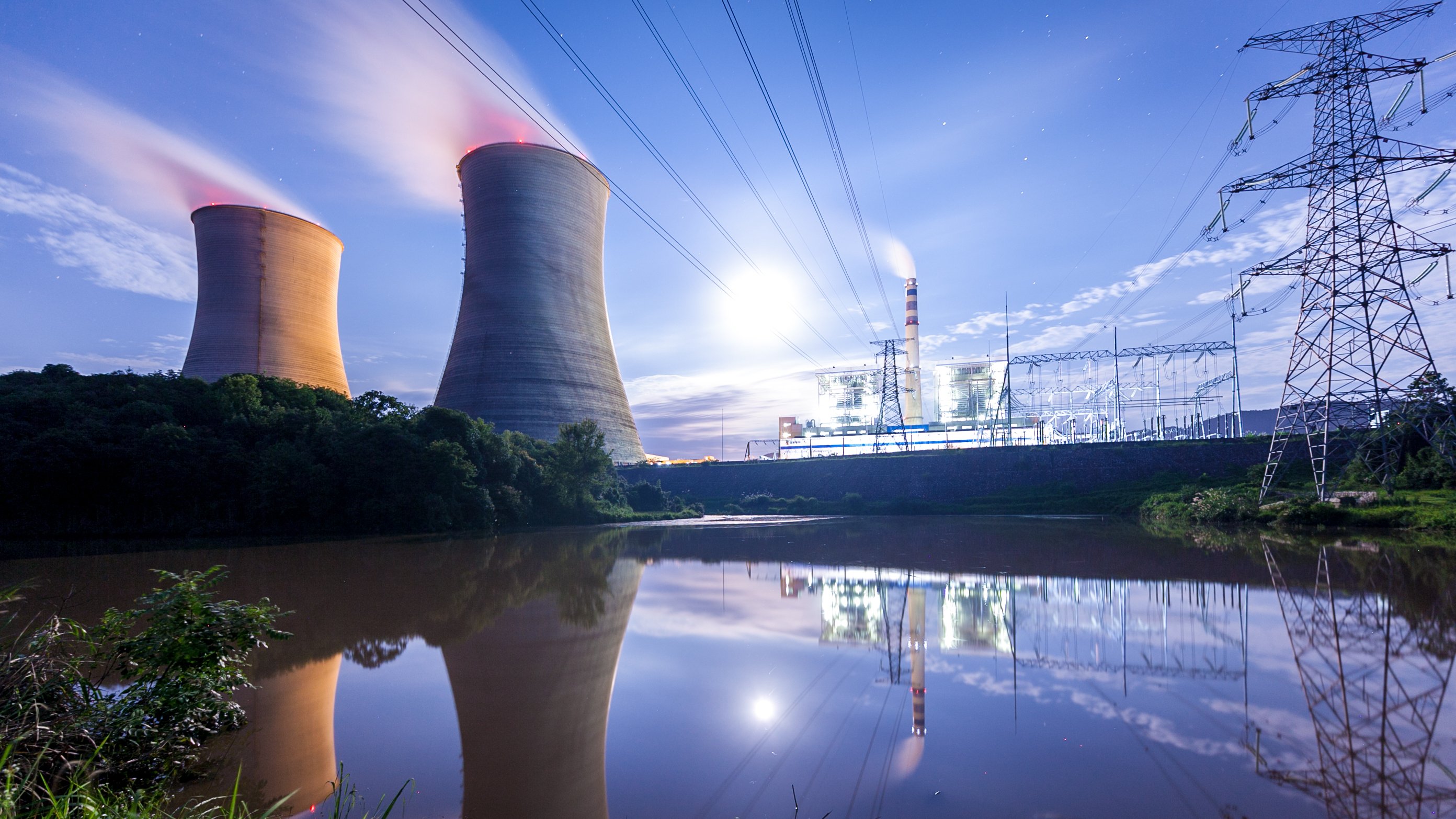
Image source: Getty Images.
Cameco benefits because it holds a 49% ownership stake in Westinghouse, along with Brookfield Renewable Partners. In October, Cameco, Brookfield, and Westinghouse entered into an $80 billion agreement with the U.S. government to support the build-out of new reactors.
This ownership stake in Westinghouse provides Cameco with exposure to different parts of the nuclear value chain beyond uranium prices. Cameco captures a share of Westinghouse's service, maintenance, and construction profits. Through the first three quarters of 2025, Cameco's share of Westinghouse's adjusted earnings before interest, taxes, depreciation, and amortization (EBITDA) surged 78% year over year to $569 million.
Cameco is a long-term investment in the future of nuclear power
Cameco's long-term opportunity stems from rising demand, falling supply, and the construction of nuclear infrastructure. The stock isn't cheap by any means, but analysts project that Cameco could grow its earnings by 48% next year and another 33% the following year.
In 2028 and beyond, the Russia and uranium waivers will end, and I believe this could be a long-term tailwind that continues to push the stock higher. Despite its high valuation, it may be worth buying Cameco today, given its long-term structural advantages and the tailwinds it should benefit from.