Despite a lot of back-and-forth among investors about artificial intelligence (AI) stocks, rising competition, and intense spending on AI-related infrastructure, AI chip giant Nvidia (NVDA +1.65%) didn't skip a beat in 2025. The stock ripped 38% higher, more than doubling the S&P 500 index's performance.
The question is, can Nvidia keep it going in 2026, despite the concerns mentioned above still being prevalent?
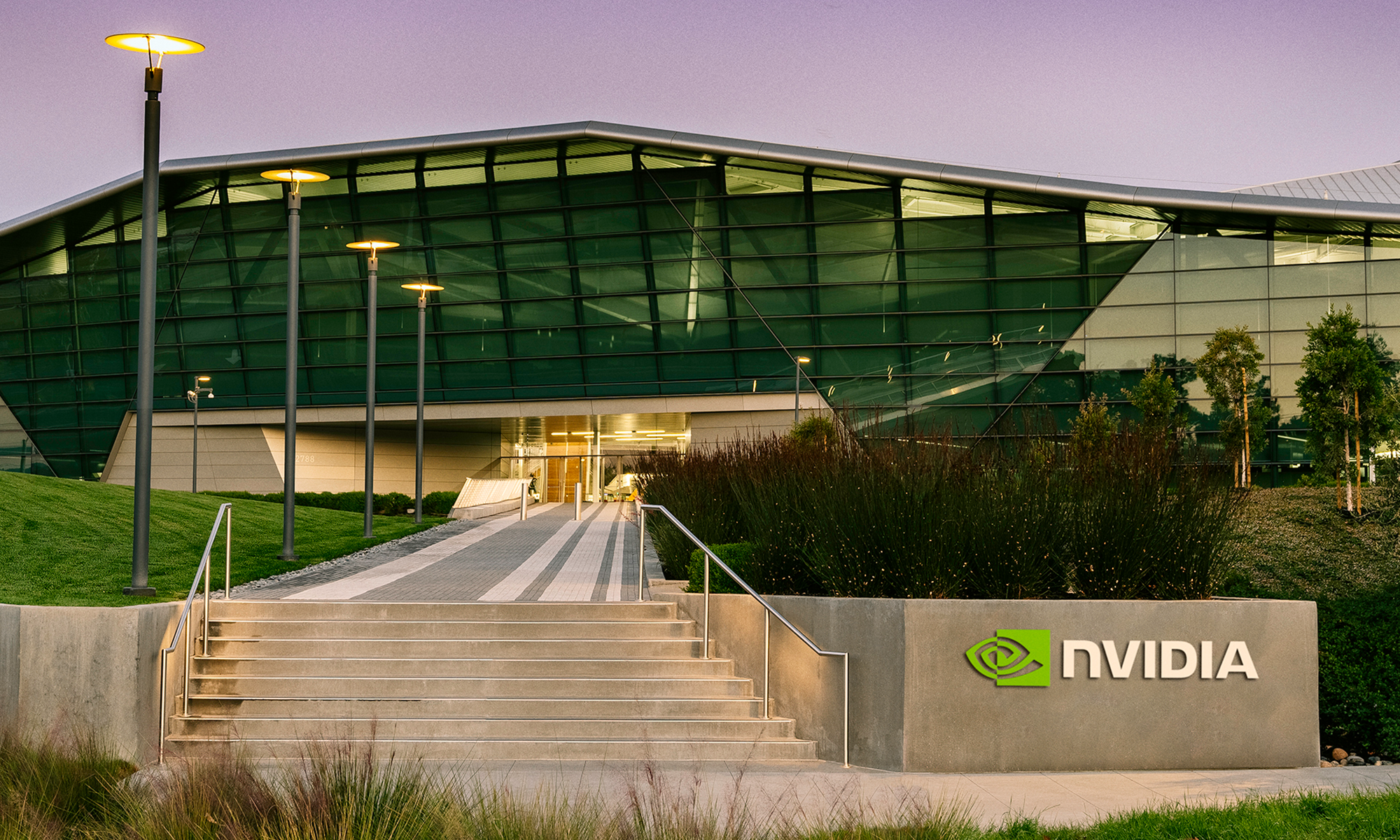
Image source: Nvidia.
While no one can predict short-term market events, investors' next big look at Nvidia will likely come when the company reports fourth-quarter earnings for fiscal year 2026 on Feb. 25.
The average earnings-per-share (EPS) estimate from the 40 Wall Street analysts currently covering the stock is $1.52, which would be a 71% increase from the same quarter one year ago, according to Yahoo! Finance. Revenue is projected at $65.47 billion, an increase of nearly 66.5% year over year.
Should investors buy Nvidia stock before Feb. 25?
AI demand will be under the spotlight
Nvidia rarely misses consensus earnings and revenue estimates, so it's not a big focal point for me heading into earnings, although a miss would likely drum up some concerns.
Rather, I expect investors and analysts to look for clues on whether AI demand is peaking or accelerating, as Nvidia is likely the single-largest beneficiary of accelerating AI demand. This can be examined through Nvidia's sales and backlogs for its latest chip model, Blackwell. Investors will also focus on Nvidia's position in an increasingly competitive chip market, as more large AI companies wade in.
One metric investors focus on is the company's gross margin, which is indicative of pricing power and, by extension, Nvidia's dominant market share. In the prior quarter, Nvidia's gross margin came in around 73.4%. Dips in this number could be concerning, while increases will likely be rewarded.
I also suspect that investors are looking for details on Nvidia's next chip model, called Vera Rubin, and follow-up comments on agentic AI, which CEO Jensen Huang spoke about at length at a major industry conference earlier this year.

NASDAQ: NVDA
Key Data Points
Finally, investors will likely look for an update on Nvidia's push to reopen chip sales in China. Nvidia sells older chips to China to keep in line with U.S. government restrictions. However, even those sales halted last year, due to trade tensions between the U.S. and China and additional U.S. export restrictions. After significant lobbying in Washington, D.C., it appeared that Nvidia was poised to reopen these sales channels, which could be a big contributor to revenue.
However, recent media reports suggest that the Chinese government may now be blocking Nvidia chip sales to China, though the reports haven't been fully verified and are based on anonymous sources.
Ultimately, I would never recommend that investors buy a stock based on a short-term catalyst, such as an earnings report. It's tough to predict the results, what investors will take away from a report, and how the market will respond.
Long-term, I'm more neutral on Nvidia right now. It trades at close to 40 times forward earnings, although I suspect AI will be quite disruptive in the long term, which should benefit Nvidia.