Many in the financial media have expressed concerns over an artificial intelligence (AI) bubble, and it's no wonder why. AI stocks have been on a seriously big and incredibly fast run over the past couple of years.
The parallels to the dot-com crash are easy to draw. Both that event and the current AI bull market centered on incredible new technologies that promise to change the way we live and work.
While the internet has already done that, and AI certainly has the potential to do the same, possible over-speculation and billions of dollars pouring into AI have cast doubts on the short-term viability of AI investment.
Fortunately, you can protect yourself from any potential AI bubble popping while still capturing some gains if the bull market in AI continues. Canada's Cameco (CCJ +3.66%) is the way to do it.

NYSE: CCJ
Key Data Points
Power with the intensity of ten thousand suns
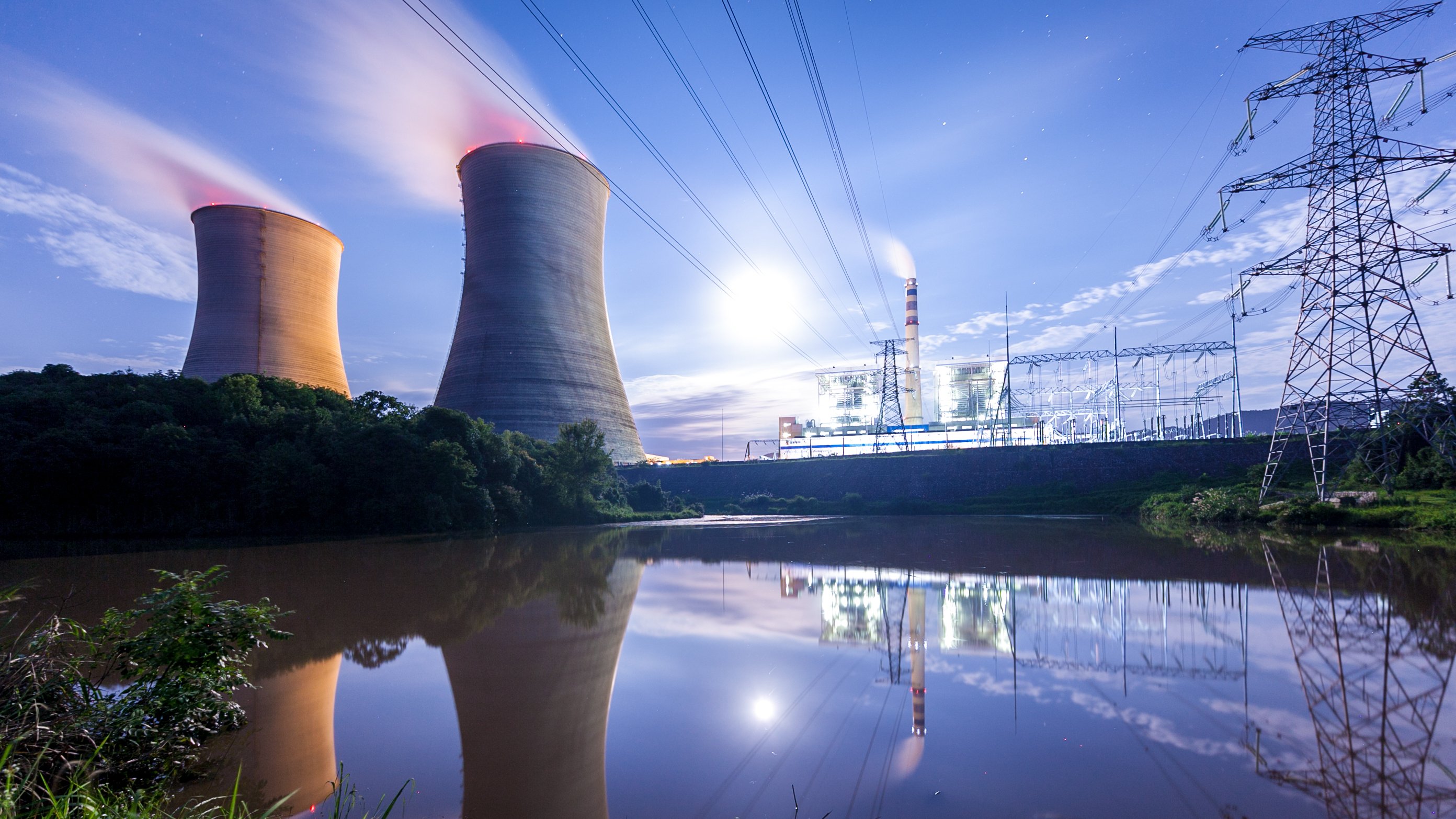
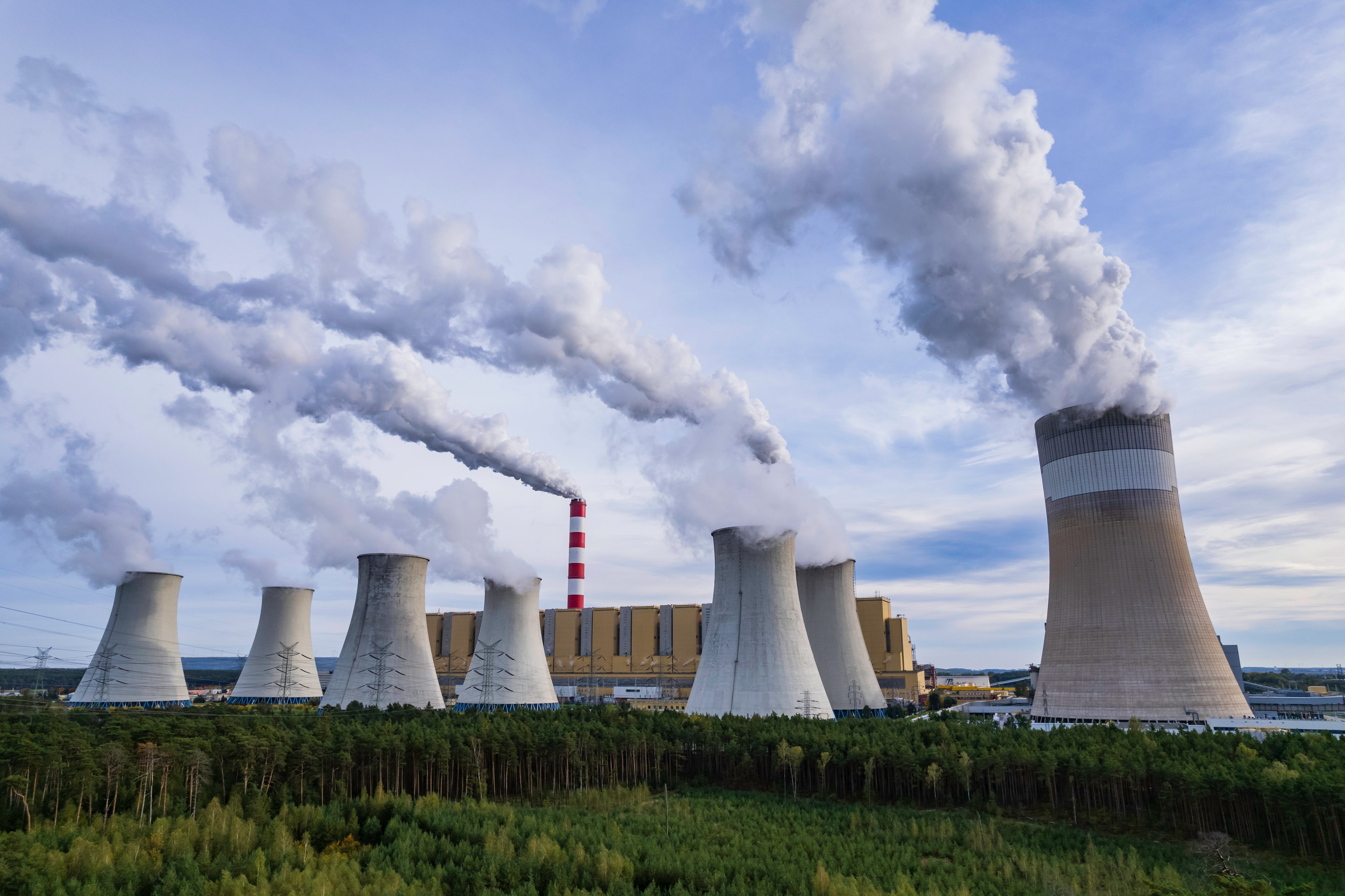
Cameco, as a uranium miner, is integral to powering AI's energy needs. But even without AI, focus on alternative energy and the shortcomings of other low-carbon alternatives like wind and solar is seeing many countries giving nuclear another look.
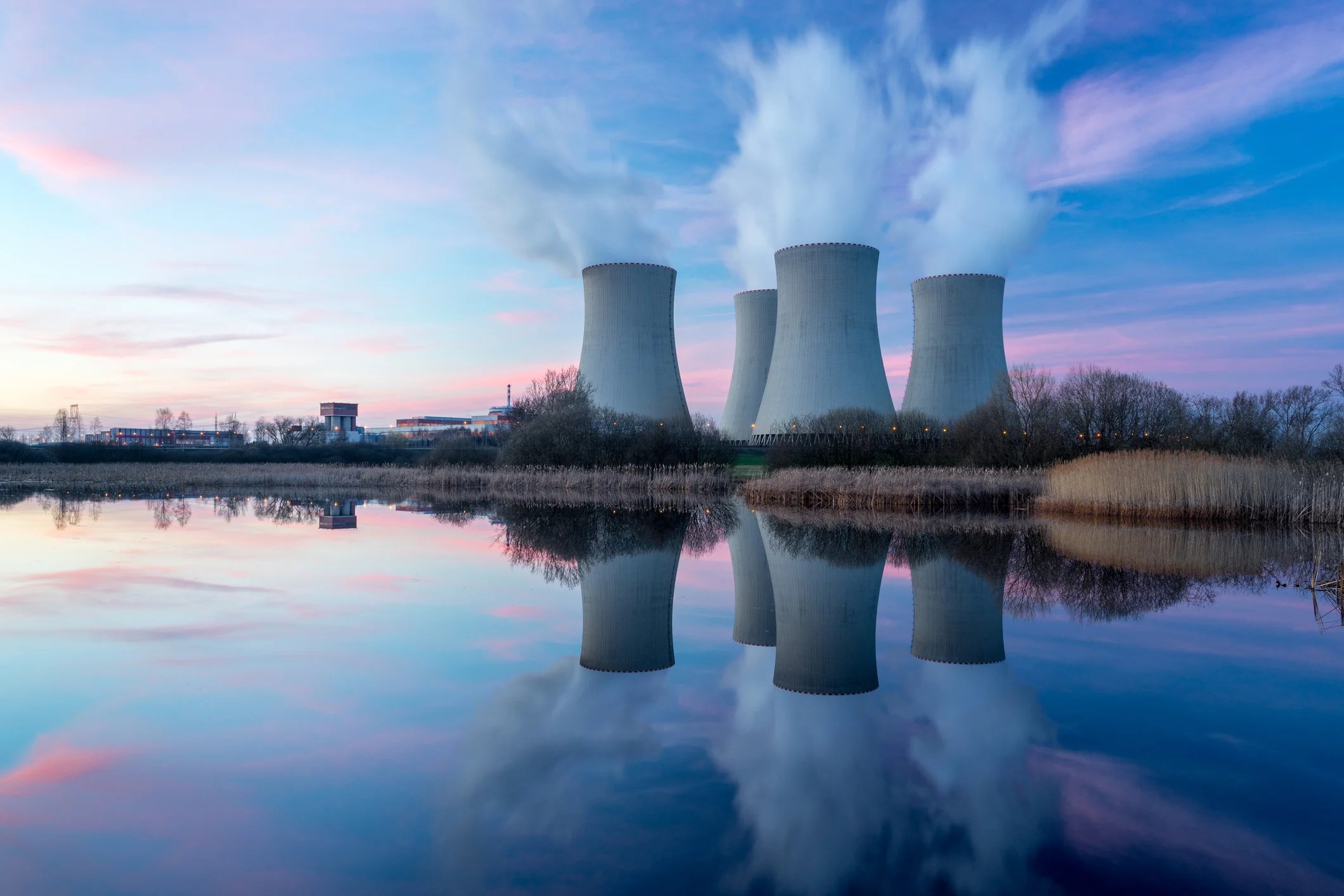
The United States is no exception. The Department of Energy has set a goal to triple America's nuclear capacity by 2050. The U.S. is already the world's largest nuclear energy generator by volume, but it only makes up about 21% of the country's total energy output.
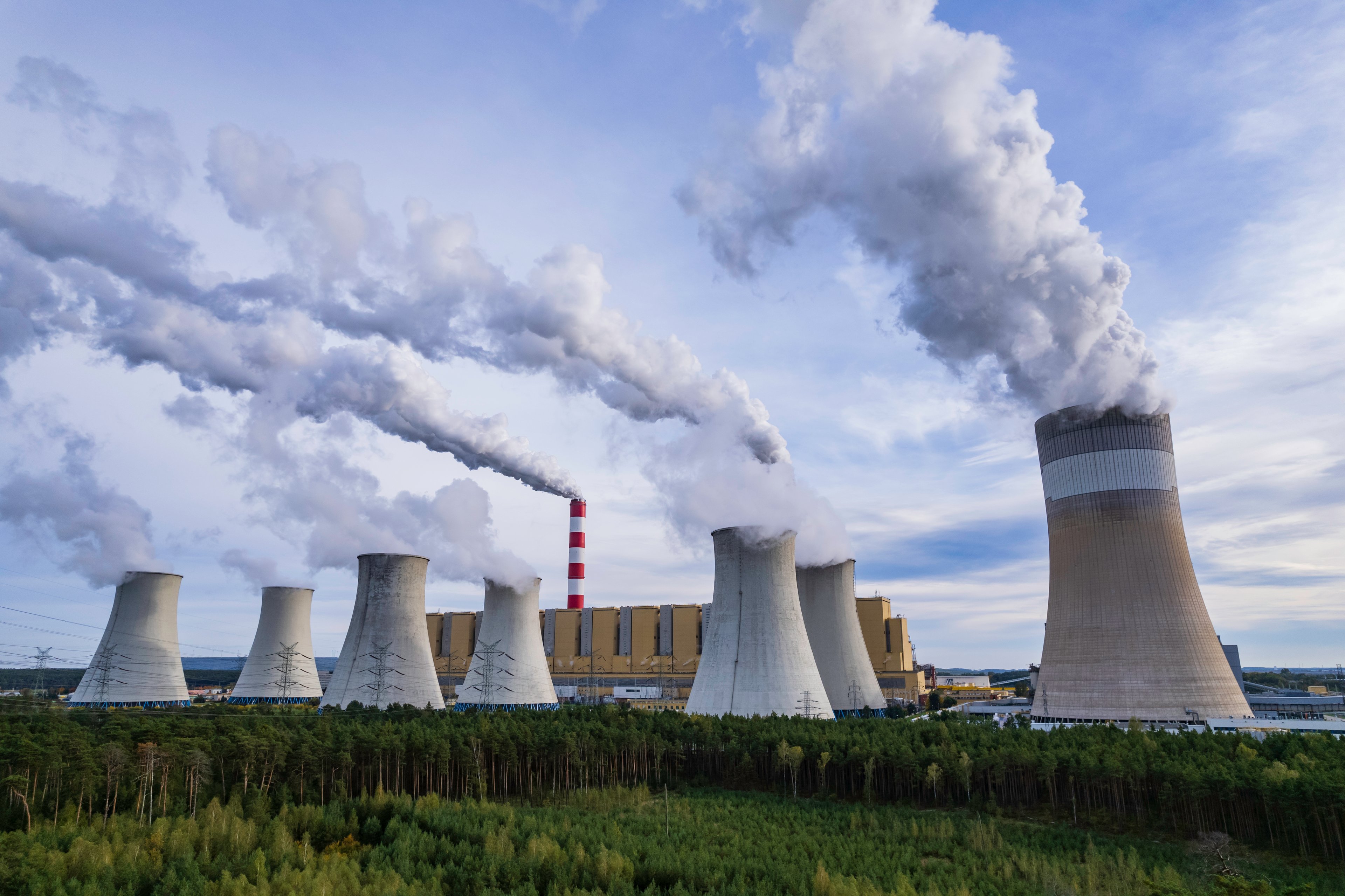
Image source: Getty Images.
All of America's 94 operating nuclear reactors need uranium. So will the 10 planned Westinghouse reactors the government pledged $80 billion toward procuring (more on that in a moment.)
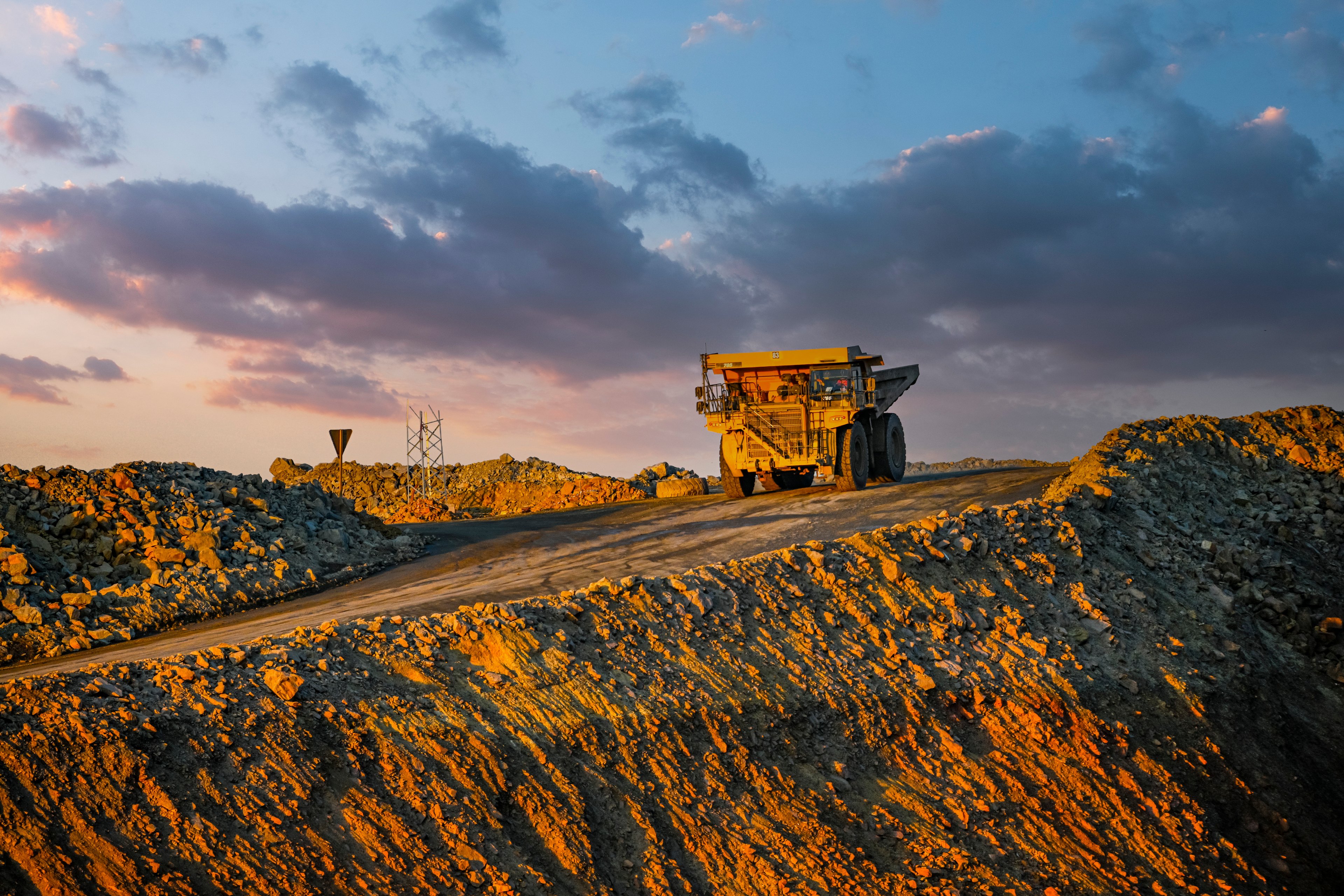
Cameco is the second-largest uranium miner in the world. In 2024, it produced 17% of all uranium used around the world. The only company that produced more is Kazakhstan's state-run company, Kazatomprom.
Cameco also owns the world's highest-grade uranium mine and the world's largest high-grade uranium mine, which are both in Canada.
In fact, so critical is Canadian uranium to the American energy market that there is a carveout in the U.S. tariffs on Canadian energy exports. They are only taxed at a 10% rate, as opposed to the 25% at which most Canadian goods are taxed.
Despite a dip in revenue for third-quarter 2025 (Cameco's most recent reported quarter) of 15%, for the first nine months of 2025, Cameco saw revenues grow 17% and gross profits surge by 31%. The company's net income margin is sitting comfortably at 15.18%.
That's just the latest in an accelerating growth trend for Cameco. In the past five years, the company's revenue has grown at a compound annual growth rate (CAGR) of 10.28%. In the past three years, that has accelerated to 24.18%. Cameco is capitalizing on a long-term secular trend in its favor. Global uranium demand is set to grow another 28% by 2030 as forecast by the World Nuclear Association. And across the world there are 70 new nuclear reactors under construction with another 115 planned. All of those new reactors will nee uranium that Cameco is well-positioned to provide.
Finally, Cameco holds a 49% stake in Westinghouse, the company that produces the AP 1000 reactors the U.S. is purchasing. So, Cameco is positioned to profit from just about every link in the nuclear energy supply chain.
Cameco is set to profit from secular interest in nuclear power, and it also allows you to capture some profits from the AI boom for as long as it lasts. I'd call that a win-win.