Wall Street's big money clearly views Tesla (TSLA 0.99%) as much more than a car company. As of the holdings disclosures filed for the period ending on Sept. 30, 2025, major firms including Vanguard, State Street, and BlackRock were buying more Tesla shares. Data from Fintel.oi shows that institutional share ownership of the stock has steadily increased since the end of 2022.
Even CEO Elon Musk bought roughly $1 billion of Tesla stock in September at share prices ranging from $372 to $396. The timing of all these buys is telling, as Tesla hits important milestones in ramping up its robotaxi service.
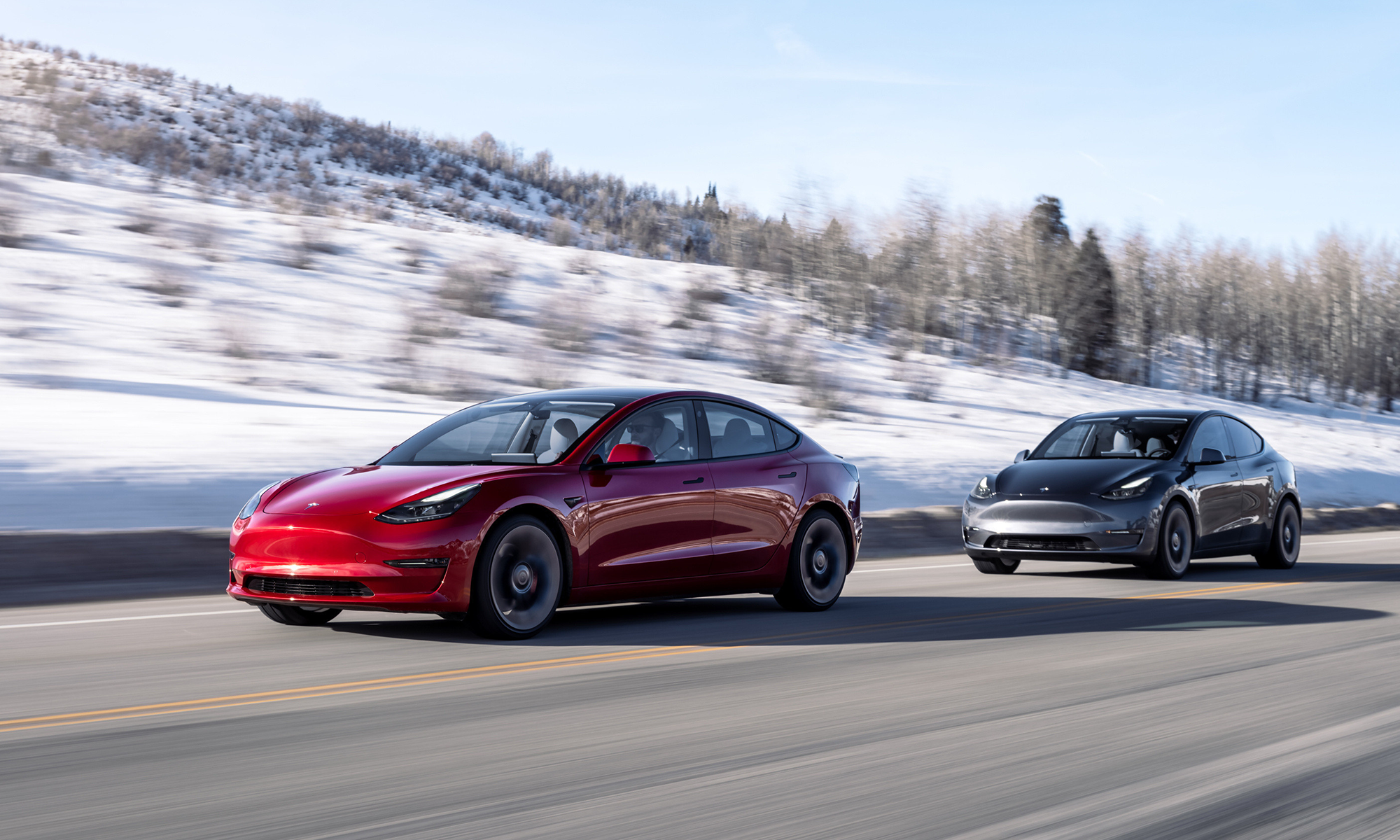
Image source: Tesla.
Big money is betting on Tesla's AI
Tesla has been operating a small fleet of robotaxis in Austin and San Francisco since the middle of last year. Until recently, these rides included a human safety monitor in the vehicle to take over if the car made a wrong move. But Tesla apparently has accumulated enough data to feel confident that its self-driving cars are safe, as it has just started offering unsupervised rides in Austin.
In fact, Tesla's robotaxis might already be safer than human drivers. Digital insurer Lemonade recently announced it would lower insurance rates for Tesla owners, citing data that Tesla's full self-driving (FSD) feature reduces accident rates. These developments could clear the way for Tesla to obtain regulatory clearance to expand its fleet in 2026.

NASDAQ: TSLA
Key Data Points
Wall Street pros also might like Tesla's transition to a recurring revenue model. Starting Feb. 14, it will only offer the FSD add-on for its electric cars via a monthly subscription. The company plans to increase subscription fees over time as FSD improves, signaling its focus on high-margin services to drive growth.
Recurring revenue and higher margins from ride fees are expected to significantly boost Tesla's profitability. The consensus analyst estimate calls for Tesla's earnings per share to nearly double over the next two years. This explains why these big institutional investors (and Elon Musk) were buying shares in the third quarter.