Shares of satellite radio company Sirius XM Holding (SIRI 1.10%) fell 12.3% in 2025, according to data from S&P Global Market Intelligence. While not catastrophic, the decline did trail the S&P 500 index's 17.9% total return by about 30 percentage points.
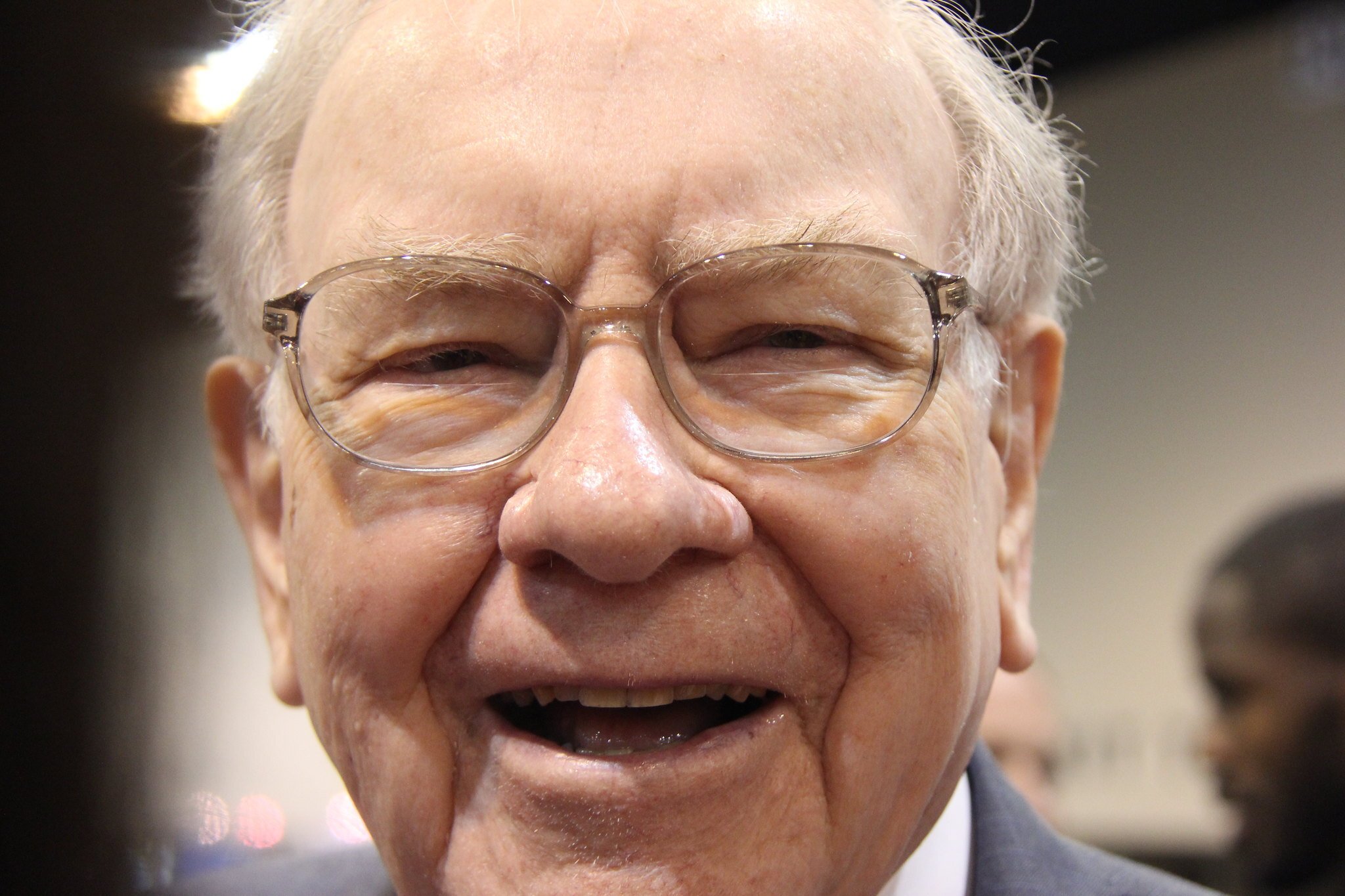
Sirius' underperformance is notable, especially since it's a significant holding of Warren Buffett's conglomerate Berkshire Hathaway (BRK.A 1.64%) (BRK.B 1.63%), and is probably a holding managed by Ted Wechsler, who is also likely to manage the entire Berkshire public equity portfolio following Warren Buffett's retirement.
Sirius's business performed somewhat better than expected in 2025, with revenue and profits meeting or exceeding the company's initial guidance. However, continued subscriber and revenue declines put investors in a sour mood.

NASDAQ: SIRI
Key Data Points
Sirius exceeds its own targets, but Wall Street shrugs
At the beginning of the year, Sirius predicted it would generate $8.5 billion in revenue, $2.6 billion in adjusted EBITDA (earnings before interest, taxes, depreciation, and amortization), and $1.15 billion in free cash flow in 2025. The good news for shareholders is that, as of Sirius's third quarter earnings report, management had raised that outlook to revenue of $8.525 billion, adjusted EBITDA of $2.625 billion, and free cash flow of $1.225 billion.
Given the slight outperformance, some may wonder why the stock declined during the year. It appears investors are still scared off by continued subscriber and revenue declines, as even Sirius's improved targets would mark revenue and adjusted EBITDA declines from 2024. Self-pay subscribers declined from 31.646 million to 31.235 million over the first three quarters of the year, down 1.3%, leading to a 1% revenue decline. While free cash flow is improving, that's due to lower capital expenditures.
Sirius is attempting to reignite growth in various ways. To its credit, management attracted a lot of top talent to the exclusive satellite radio platform in 2025, most notably resigning Howard Stern to a new three-year deal in December. Additionally, the company recently rolled out a lower-cost, ad-supported tier called SiriusXM Play. It remains to be seen how that will work out, but it may be able to ignite Sirius's way back to growth.

Image source: Getty Images.
Sirius remains cheap, but may not appreciate unless revenue growth goes positive
Sirius's stock looks cheap today, at just 5.6 times 2025 free cash flow projections. That said, Sirius also carries a significant $10 billion debt load.
After two straight years of revenue declines, Sirius aims to show investors that the business is merely navigating temporary headwinds, and not a long-term decline.
The past two years of revenue declines may be just due to a post-COVID hangover and a down cycle in auto sales, as Sirius' central subscriber funnel comes from pre-installed subscription trials in new vehicles.
But it's also possible that the consumer is changing habits, given the many competitive outlets for their time and attention. That's why 2026 investors should focus on whether new low-cost, ad-supported offering can lead to a rebound in subscriber growth, as these types of plans have done for streaming TV platforms.