Tesla (TSLA +0.58%) had a rough 2025. It saw a contraction in sales for its electric vehicles (EVs) and much more tepid share price growth than its investors have become accustomed to.
Love him or hate him though, Tesla CEO Elon Musk has a history of achieving his goals that makes betting against him a losing proposition most of the time.
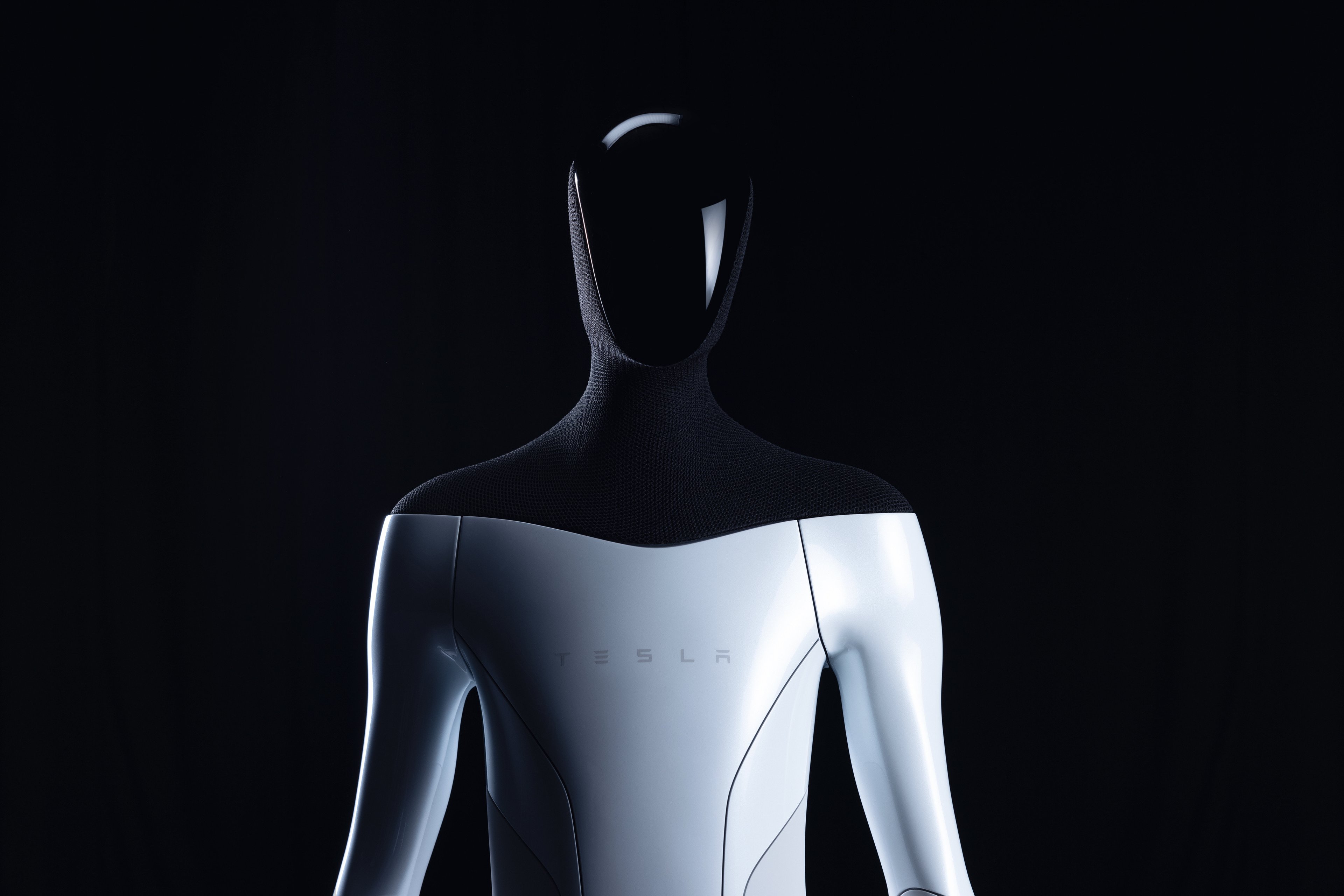
Plus, between Tesla's self-driving technology and Optimus robots, the company is not going to be simply a car company for much longer.
So, after a lackluster 2025, is now the time to buy?

NASDAQ: TSLA
Key Data Points
The laws of robotics
I'll start with self-driving cars.
Per Musk's Jan. 22, 2026, post on X, the first of Tesla's robotaxis to drive without a human safety monitor in the car are operational in Austin, Texas. There are still safety monitors, they just follow behind the taxi in a separate vehicle now.
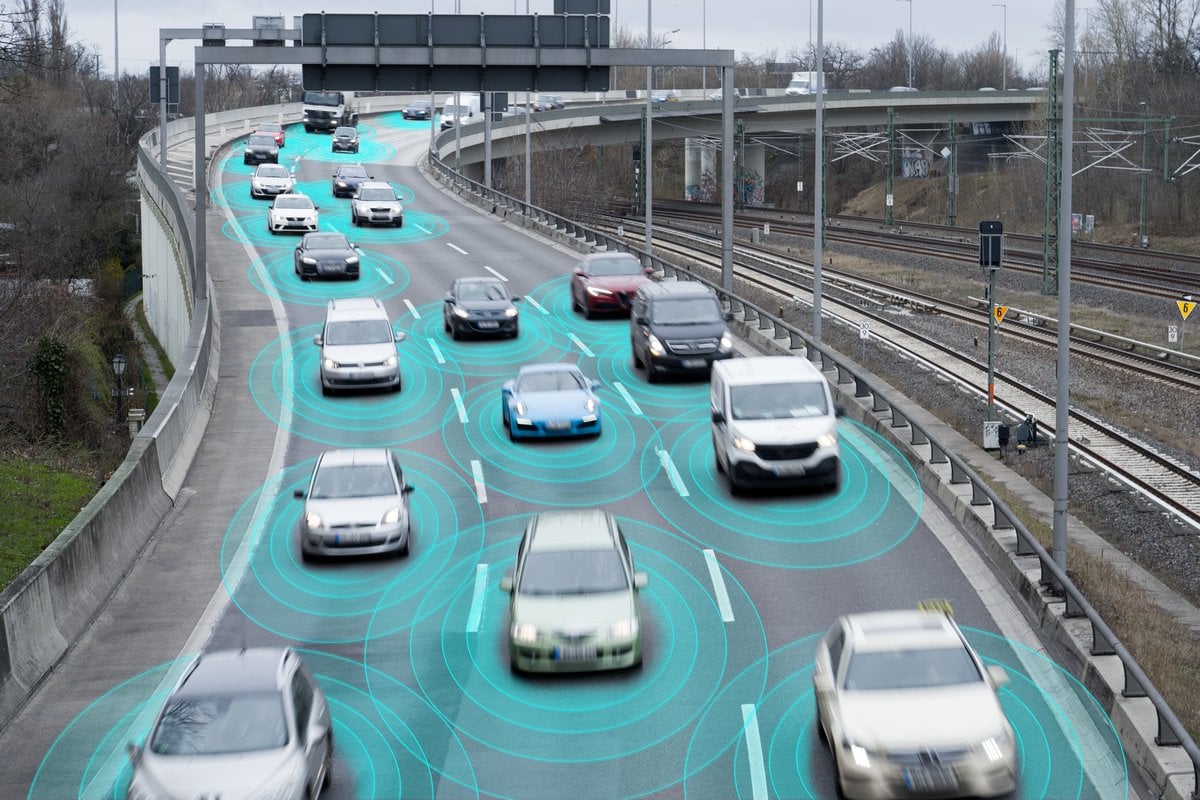
Autonomous taxis are a growing market, one that Tesla is now competing with Alphabet's Waymo in. However, Waymo operates on a much larger scale. In a Forbes article, President and Chief Commercial Officer (CCO) of MarketsandMarkets Sarwant Singh projected that the global robotaxi fleet will exceed 900,000 vehicles and a market value of about $100 billion by 2035.
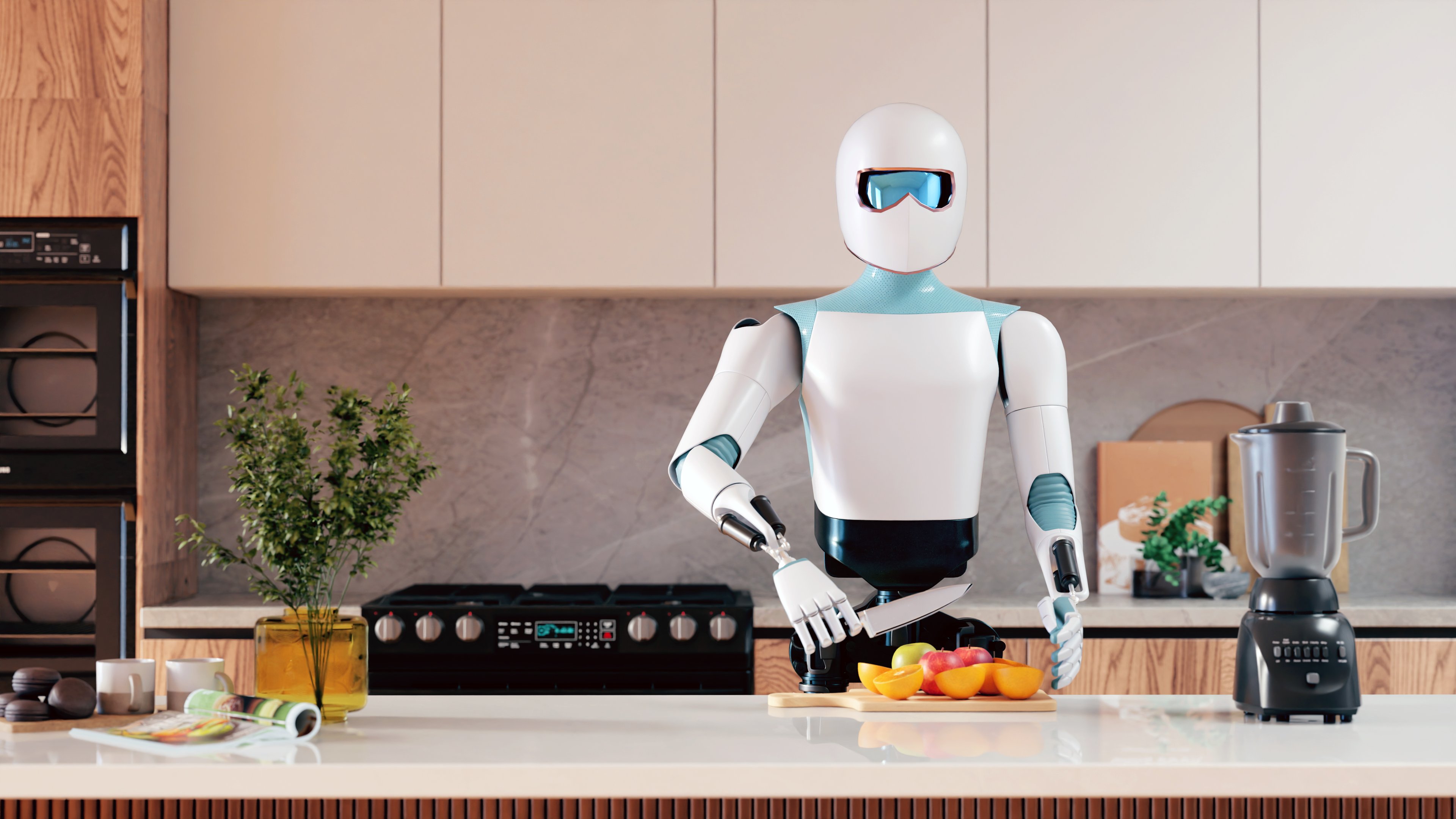
Image source: Getty Images.
Waymo, currently one of the largest robotaxi companies, has a fleet of 2,500 vehicles. So the market is still wide open to competitors like Tesla. But the Optimus robots are another, and possibly larger, story.
Also on Jan. 22, Musk announced that Tesla's humanoid robots would likely go on sale to the public by the end of 2027 and that this year they will be in use at factories. So, will you be able to buy a robot butler before 2030? I don't know.
But this is the same man whose other company, SpaceX, can catch rockets for reuse, so I'd say it's not impossible. Musk claims the Optimus robots could add $20 trillion to Tesla's valuation. I think that's just a little optimistic, but there has never been a product like the Optimus robot, so the potential market for them is also totally unknown.
However, we shouldn't forget that even though Musk can often pull off his ideas, the process is usually not as smooth as he might like. Even as impressive as Robotaxis in operation are in 2026, Musk originally claimed there would be a million of them on the road in 2020 and mass produced by 2024. And Elon Musk even admitted on X in late January that he expected the production of both Robotaxis and the Optimus robots would be "agonizingly slow" before they ramped up to faster production later.
Still, if he can pull it off, both of those are big opportunities for Tesla moving forward. But what about its core auto business? There's less good news there. Tesla sales for the first nine months of 2025 were down 9.5% from its peak in 2023. And deliveries for the fourth quarter of 2025 were down 15.6% from Q4 2024.
It was a weird year overall for EVs. While global sales for electric vehicles were up 20% in 2025, the U.S., Tesla's largest market, saw a 4% decline in new EV registrations with a 39% drop in December. That was probably due to the end of the EV tax credit in November. Either way, it hurt Tesla's business.
Despite that, and being down on revenue for the first nine months of 2025, Tesla's Q3 2025 results did see its revenue grow 11% over Q3 2024. However, net income and cash flows were still down. The company does remain profitable with a net income margin of 5.3% and a positive cash position of $41.56 billion to $13.79 billion in debt.
So, can Tesla recover -- and should you buy it?
I would say that depends on your faith in Musk's goals and business acumen; he is the company's greatest intangible asset. So give Tesla a look and see if you believe in Musk's vision before you buy.