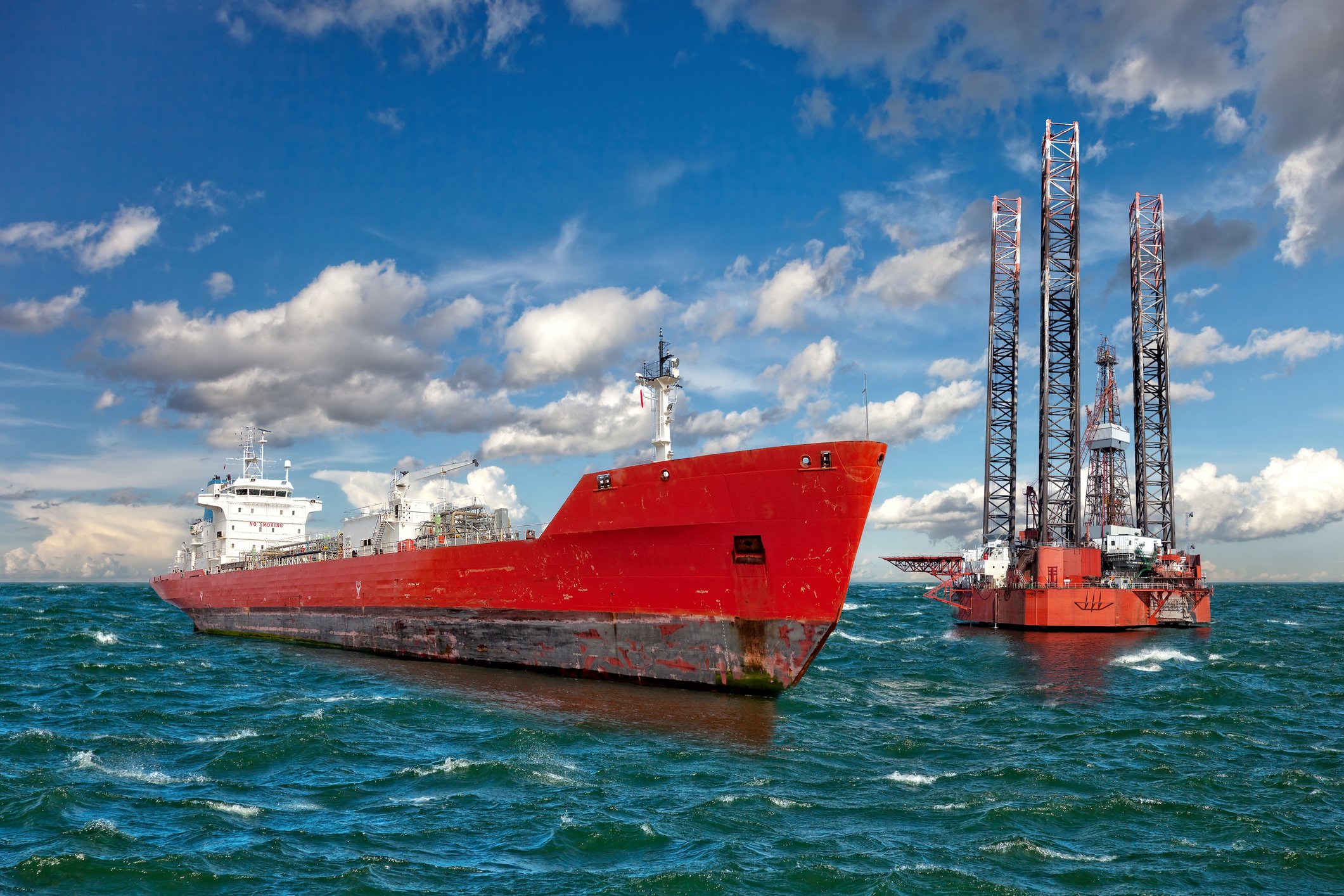
The price of oil is way off of recent-year highs. A barrel of West Texas Intermediate (WTI) crude hit $120 in June 2022. Today, a barrel of WTI costs half that level. The dynamics of Brent crude (the kind that comes from the North Sea and the Middle East) are very similar.
The huge price decline is largely due to a growing global oil glut, with 1.4 billion barrels of oil on the water in late December -- i.e., oil being shipped to a port or stored and waiting for a buyer. That's 24% more than the average for this time of year from 2016 to 2024.
That would lead one to think that the stocks of the oil majors -- the world's largest and most influential publicly traded oil companies -- would also be in the toilet, as those stocks tend to move in unison with the price of oil.
Such thinking would be wrong. ExxonMobil's (XOM +0.74%) share price has risen nearly 13% this year, and we're not even out of January. Similarly, Chevron (CVX +0.53%) is up almost 10% in 2026. For comparison with the broader market, the S&P 500 index is up about 1% for the year. That's some serious outperformance by the second- and third-largest oil companies in the world by market capitalization (No. 1 is Saudi Aramco).
So where could these stocks go from here? Let's have a closer look.

NYSE: XOM
Key Data Points
Maduro's capture sent oil stocks soaring in January
What's sending those oil stocks higher in 2026? In a word, Venezuela.
Since the U.S. military captured and detained Venezuelan President Nicholas Maduro on Jan. 3, oil stocks have been rising sharply. It seems that investors believe oil majors like Chevron and Exxon will now have access to Venezuela's oil reserves, which, at 19.4 billion barrels, are considered to be the world's largest. Indeed, Venezuela sits on a fifth of the world's proven oil reserves.

NYSE: CVX
Key Data Points
The biggest oil companies could be given special access to Venezuelan oilfields by the Trump administration. Just as important, both companies have large, complex oil refineries on the U.S. Gulf Coast that can handle the heavy sour blend of oil that Venezuela produces. And Chevron already has operations in Venezuela.
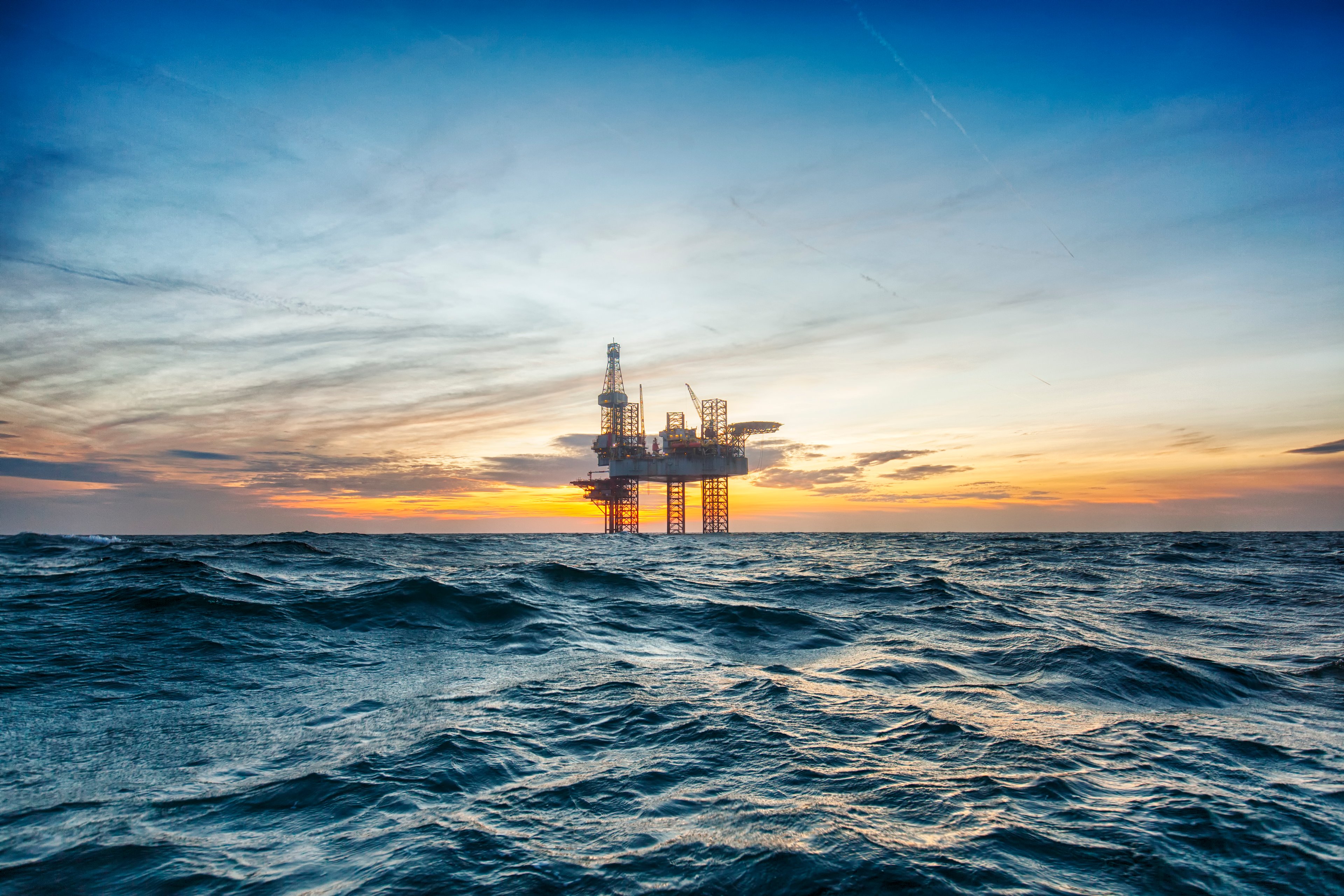
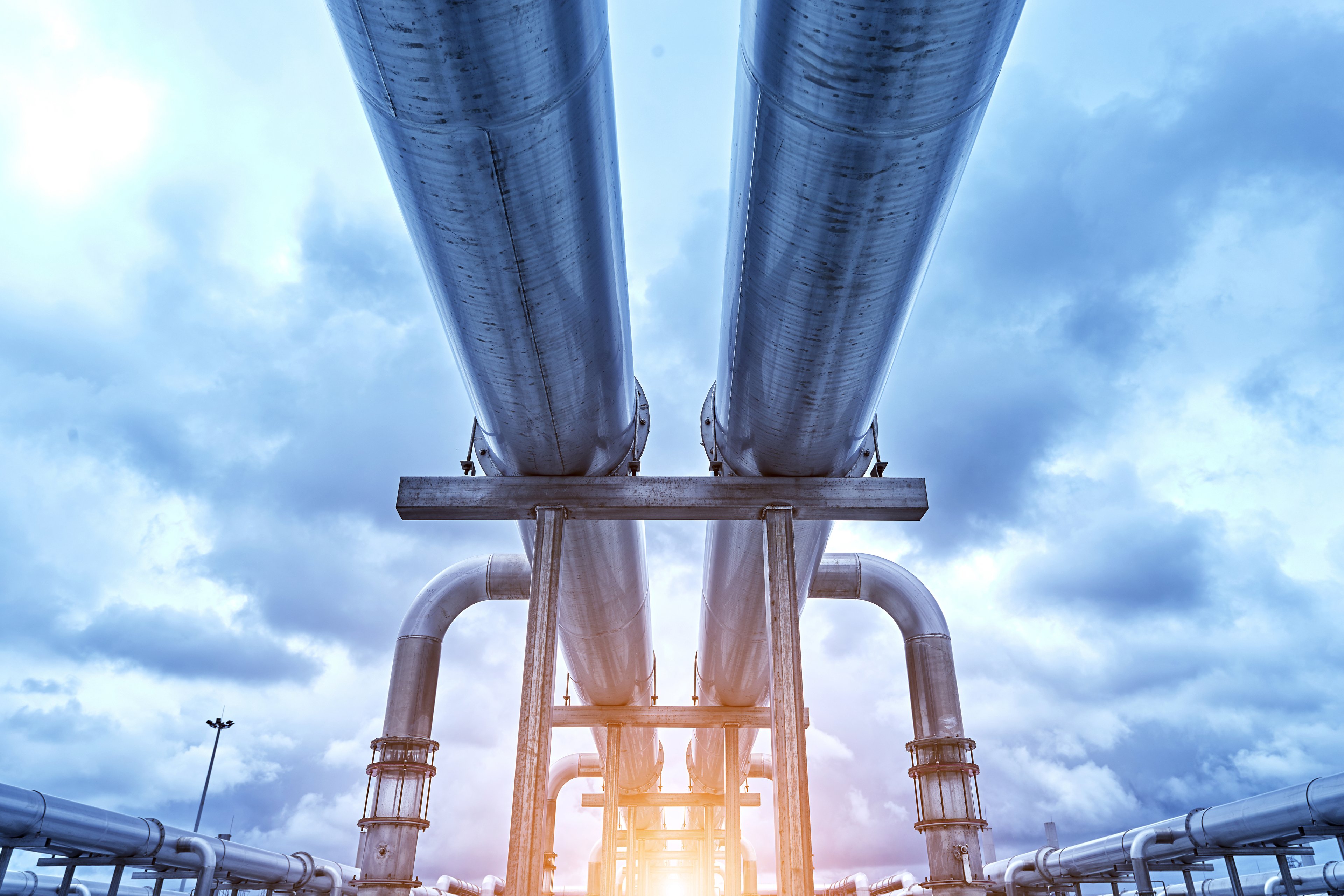
Image source: Getty Images.
Rebuilding Venezuela's oil industry could be time consuming and expensive
So, should that be sufficient reason to invest in Exxon and Chevron despite historically low oil prices? Well, it's not that simple.
Venezuela's oil industry is in terrible shape after years of neglect and poor decisions, first by former president Hugo Chavez and then by Maduro. It will be extremely pricey and time consuming to make it fully -- or even mostly -- operational again, analysts say. One analyst said it will require years of annual investments of $10 billion, plus a stable security environment in the country.
At the moment, none of that looks like a sure thing. Plus, adding barrels of oil to a market already in a glut would eventually push prices even lower. So investing in these major oil producers because of the change in Venezuela doesn't look prudent at the moment. I think a wait-and-see approach is a better bet.