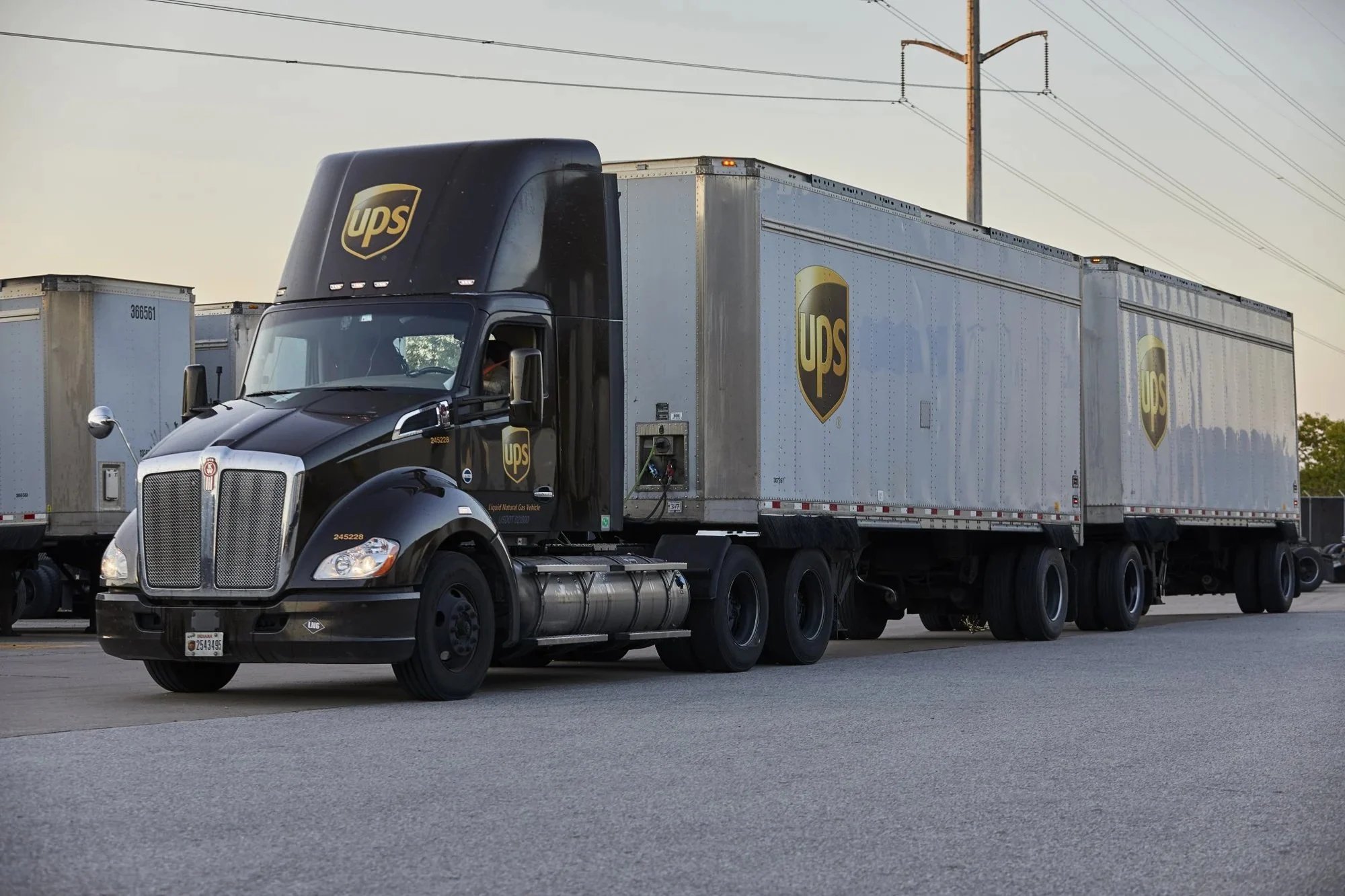
Logistics giant UPS (UPS -0.33%) is facing an array of challenges, including macroeconomic headwinds and rising competition from Amazon. On top of cutting out low-margin Amazon packages from its network, UPS has another trick up its sleeve to lower package delivery costs and return to sustainable growth. The company is betting big on automation, and it's already paying off.
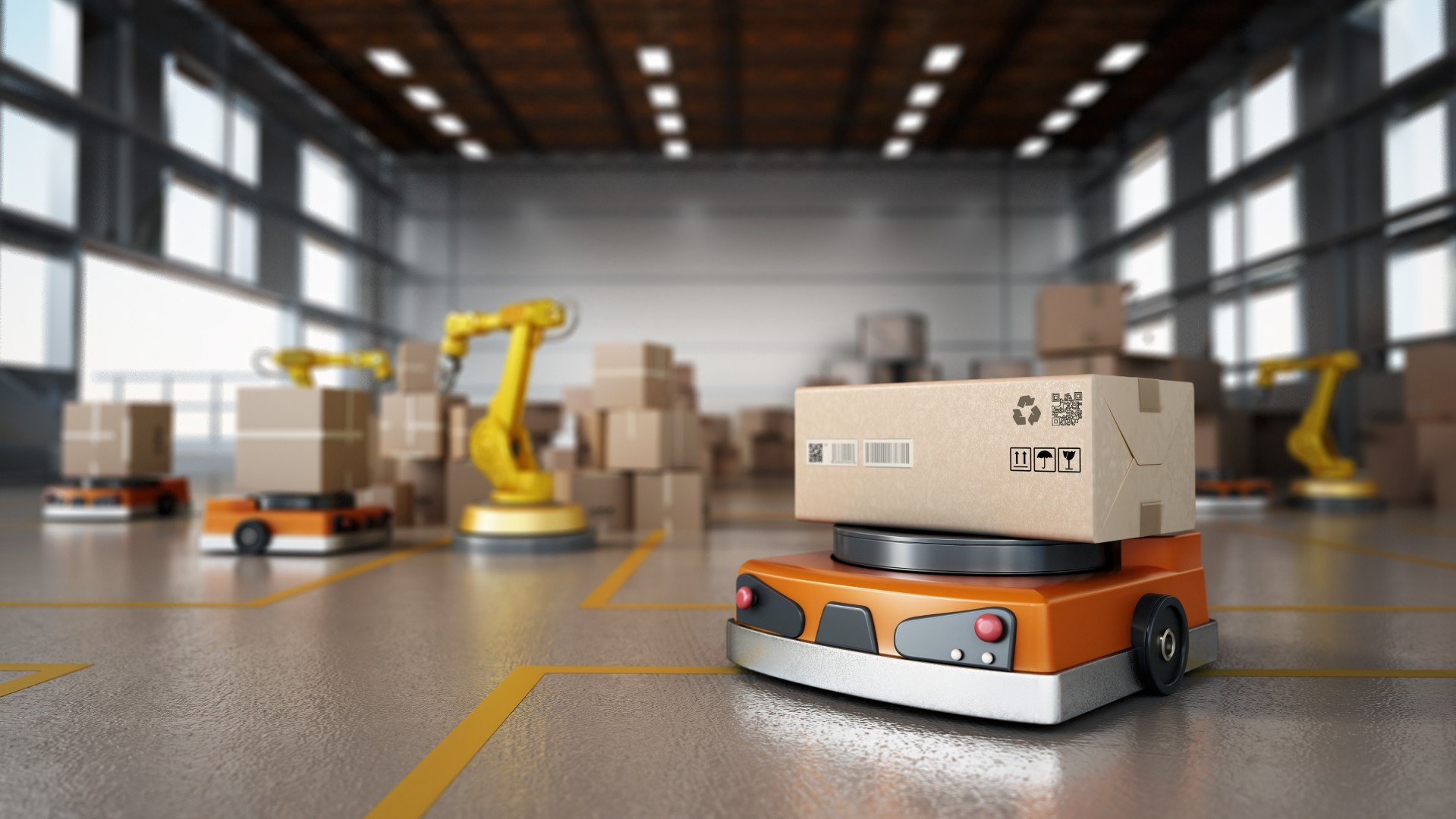
Image source: Getty Images.
Shifting to robots and a smaller network
UPS is in the process of downsizing its network of facilities in the U.S. to account for its ongoing plan to greatly reduce Amazon package volume. While this is hurting revenue right now, it allows the company to cut costs in multiple ways.
The buildings being closed tend to be old and require extensive maintenance spending. As UPS CEO Carol Tomé noted during the fourth-quarter earnings , those outsize maintenance expenses disappear when these legacy facilities are shut down. Beyond those direct cost savings, UPS is realizing additional benefits by routing package volume to other facilities that have already been automated.
UPS has deployed a variety of robots and automated systems across the 127 facilities it has automated to date. The company uses pick-and-place systems to aid employees in sorting small packages, Pickle Robots to unload trucks, and autonomous guided vehicles to move packages through facilities. In 2023, 57% of packages went through automated facilities. That number is expected to reach 68% by the end of 2026.
While installing automation technologies requires upfront spending, the payoff is significant. Tomé said that the cost per piece in automated buildings is 28% lower than in conventional, non-automated buildings. Automation is one reason, along with the plan to wean itself off Amazon packages, that UPS can slash its workforce. UPS eliminated 48,000 positions in 2025, and it plans to slash another 30,000 positions this year, largely through attrition and a voluntary separation program for full-time drivers.
Another 24 facilities will be automated in 2026, adding to the company's low-cost fleet.

NYSE: UPS
Key Data Points
Does automation make UPS stock a buy?
UPS's revenue is in decline as it purposely reduces Amazon package volume, but the long-term picture doesn't look nearly as bleak. By eliminating low-margin packages and automating to reduce per-package costs, UPS is positioning itself to return to growth and expand its profit margins in the years ahead.
With analysts expecting UPS to report adjusted earnings per share of $7.12 in 2026, UPS stock trades at a price-to-earnings ratio of roughly 15. While there's plenty of uncertainty as UPS navigates a changing industry, that seems like a reasonable price to pay to bet on an automation-driven turnaround.