Lockheed Martin (LMT +0.56%) stock rose an astonishing 31.1% in January according to data provided by S&P Global Market Intelligence, as the company and the U.S. defense sector were bolstered by President Trump's call for a $1.5 trillion defense budget in 2027. It's a figure equivalent to more than the GDP of the Netherlands and a massive ramp from the $900 billion approved for 2026. In addition, Lockheed released a positive set of full-year earnings and guidance that contained a strategic game-changer for the company.
Trump's defense actions are double-edged
On one hand, the intended massive ramp in spending is extremely bullish for defense companies, and the market wasted no time in pricing it into defense stock valuations. On the other hand, the Trump administration continued its aggressive approach to rewriting the government's relationship with defense companies.

NYSE: LMT
Key Data Points
Back in April 2025, Trump issued an executive order referencing "misplaced priorities and poor management" in defense acquisition and called for a revitalization of the "defense industrial base." directed the Secretary of War to ensure future defense contracts permit the Secretary to cap executive salaries, and "prohibit stock buybacks and corporate distributions" if the contractor is underperforming and not delivering on the contract in time.
What these changes mean
The latest order is directly relevant to the fixed-price development programs that have caused Lockheed Martin and other defense companies challenges, margin pressures, and charges in recent years. In short, the Trump administration wants defense companies to deliver on their contracts, even if they are loss-making, rather than possibly avoid the upfront investment needed to complete them.
As such, investors were focusing on which defense companies would guide on capital spending and margins. The guidance from Lockheed Martin was mixed. As you can see below, 5% revenue growth in 2026 is positive, as is the projected profit margin expansion. However, a major ramp in capital spending means free cash flow (FCF) and FCF margin will decline.
|
Lockheed Martin |
2024 |
2025 |
2026 Guidance* |
|---|---|---|---|
|
Revenue |
$71 billion |
$75 billion |
$78.75 billion |
|
Segment operating profit |
$6.1 billion |
$6.7 billion |
$8.525 billion |
|
Capital spending |
$1.7 billion |
$1.6 billion |
$2.65 billion |
|
Free cash flow |
$5.3 billion |
$6.9 billion |
$6.7 billion |
|
Segment operating profit |
8.6% |
9% |
10.8% |
|
Free cash flow profit margin |
7.4% |
9.2% |
8.4% |
Data source: Lockheed Martin presentations. *Midpoint of guidance
What it means for investors
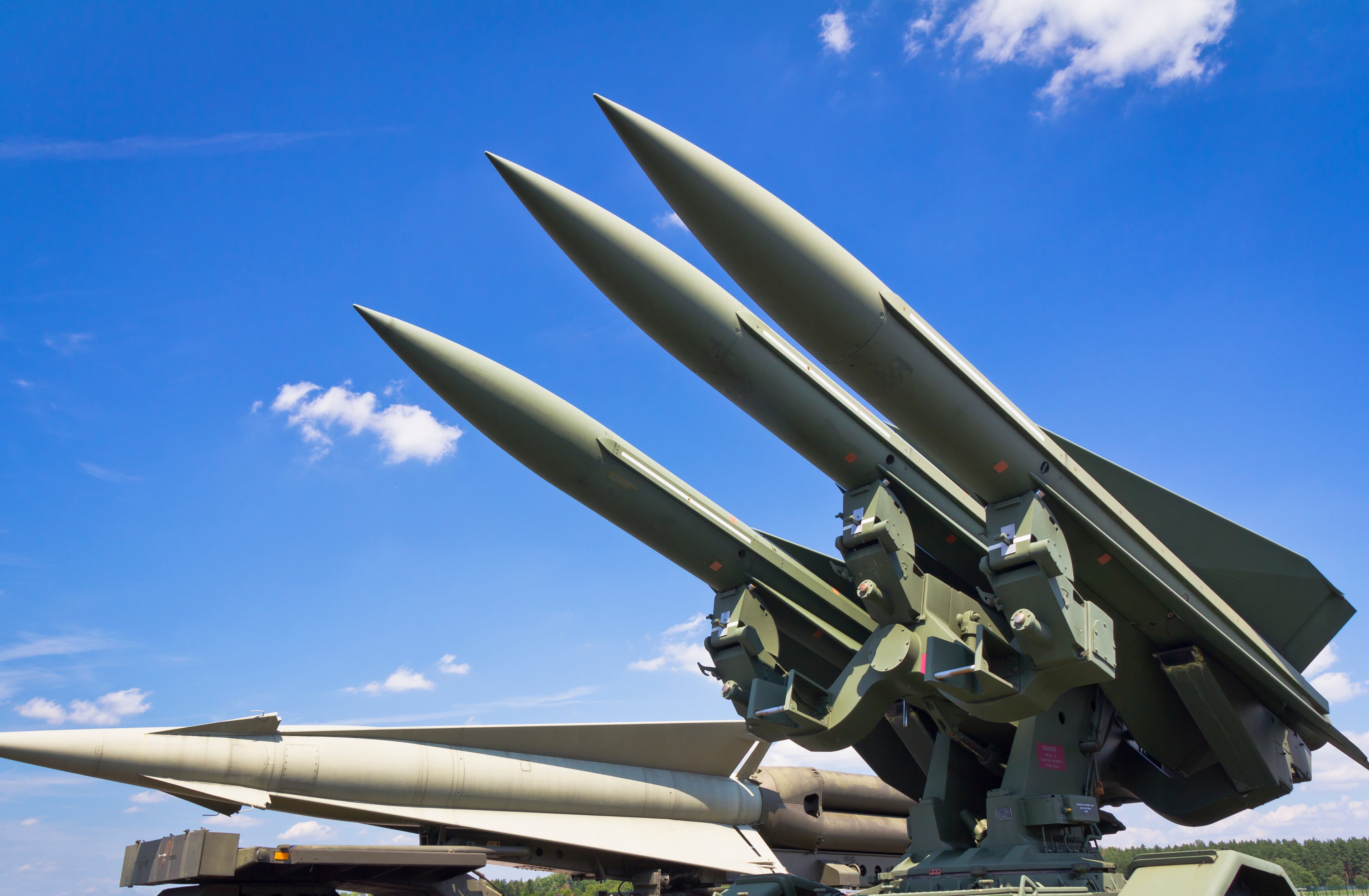
The bulls are focusing on the record $194 billion backlog, Trump's defense spending plans, profit margin expansion, and the "landmark" seven-year deal ramping production of PAC-3 missile interceptors and a similar deal to overTerminal High Altitude Area Defense (THAAD) interceptors. Those deals are justifying the upfront capital spending increases, and bulls don't see the near-term FCF decline as an issue.

Image source: Getty Images.
For the bears, the outcomes of Trump's executive orders and the need to fund increasingly advanced technology are creating structurally lower FCF margins. There's no guarantee that defense spending will be approved at the levels Trump proposed, and it may be reduced in future administrations, while defense contractors are left with structural margin pressures.
The bulls are clearly winning the argument in terms of the stock performance right now.