For those new to the stock market, it can seem like such an intimidating arena at first. Investors might struggle to figure out where to begin. Realizing that the stock market is a great wealth-building tool is an important step, nonetheless.
Things don't have to be so complicated. In fact, simplicity is the best path. If I was starting from scratch today, here's how I'd invest $10,000 for the long term.

Image source: Getty Images.
Consider this hassle-free approach
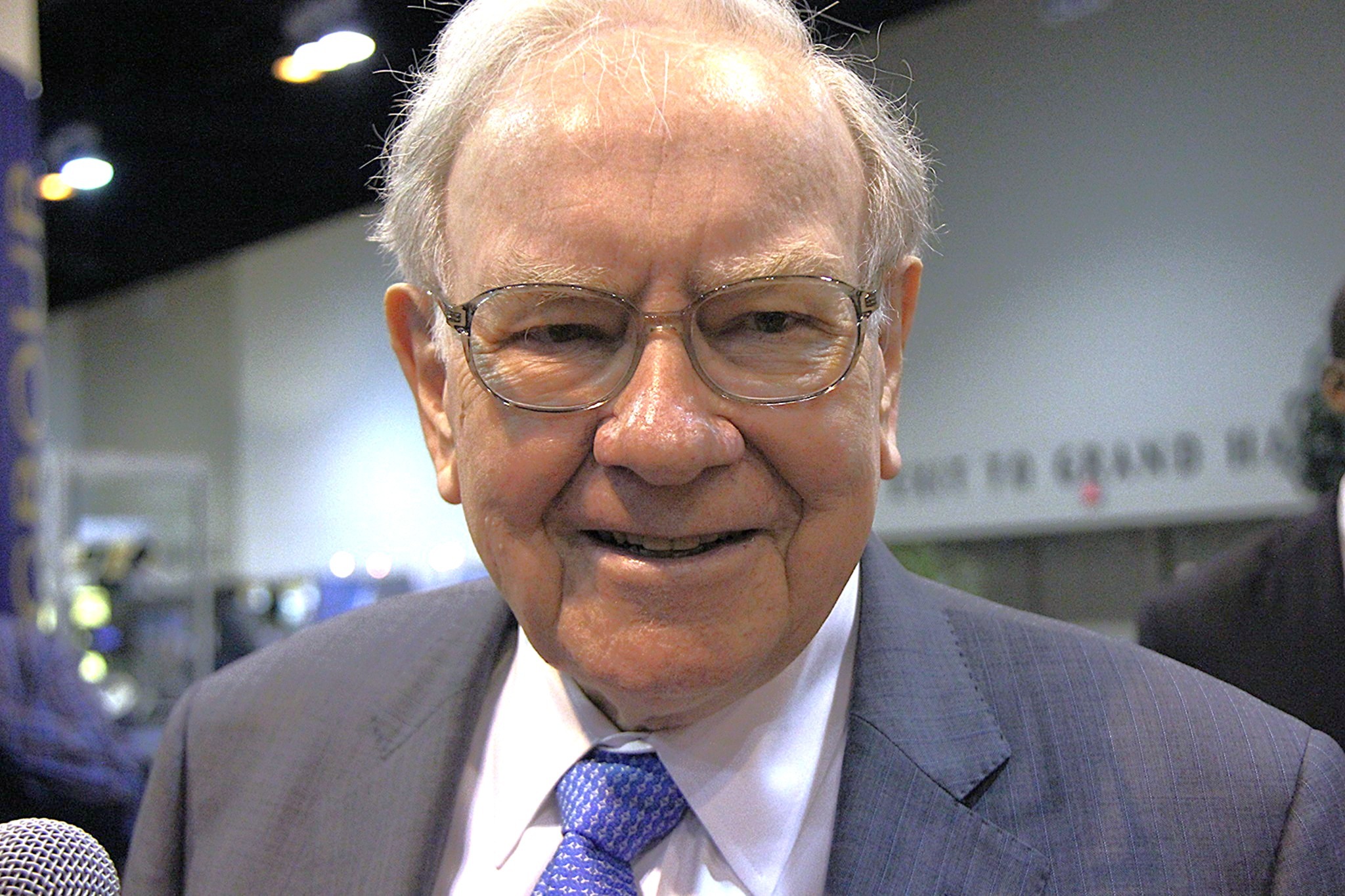
A hassle-free strategy is a good choice. This means that I'd lean toward passive indexing. It's what legendary investor Warren Buffett suggests for most people.
Half of the starting sum, or $5,000, would be directed to exchange-traded funds (ETFs). It doesn't all have to be invested right away. My approach would involve dollar-cost averaging, maybe allocating $1,000 per month.
There are so many options to choose from. However, I'd stick to the Vanguard S&P 500 ETF (VOO 1.53%). This tracks the performance of the S&P 500 index, providing exposure to the largest businesses driving the U.S. economy. The ultra-low expense ratio of 0.03% is extremely compelling.
In the past decade, this ETF has put up an impressive performance, generating a total return of 328% (as of Feb. 6). The gains have certainly been driven by the huge success of the "Magnificent Seven" stocks. Artificial intelligence, cloud computing, digital advertising, and streaming entertainment are powerful trends that should keep providing support going forward.

NYSEMKT: VOO
Key Data Points
Learning to actively pick stocks
The other $5,000 will go toward my active strategy. This might not be the right move for everyone, particularly those who don't want to spend time researching and picking stocks. But since this is a skill that I want to develop, I believe allocating half of the $10,000 in this manner is a prudent approach.
This part of the portfolio will start out all in cash. As I identify worthwhile opportunities, this money will be used to buy individual companies.
There are some notable traits that I will look for. Businesses must possess economic moats, or durable competitive advantages that support lasting success. Proven pricing power, strong financials, and solid management teams are all wonderful characteristics as well. Ideally, I'd scoop up shares at attractive valuations.
Eventually, the entire $10,000 will be fully invested. Over time, however, more money will be added. At that point, I will have to decide if it's better to buy more of the ETF or single stocks.
At the end of the day, though, what matters most is that I'm consistent and that I maintain a long-term mindset.