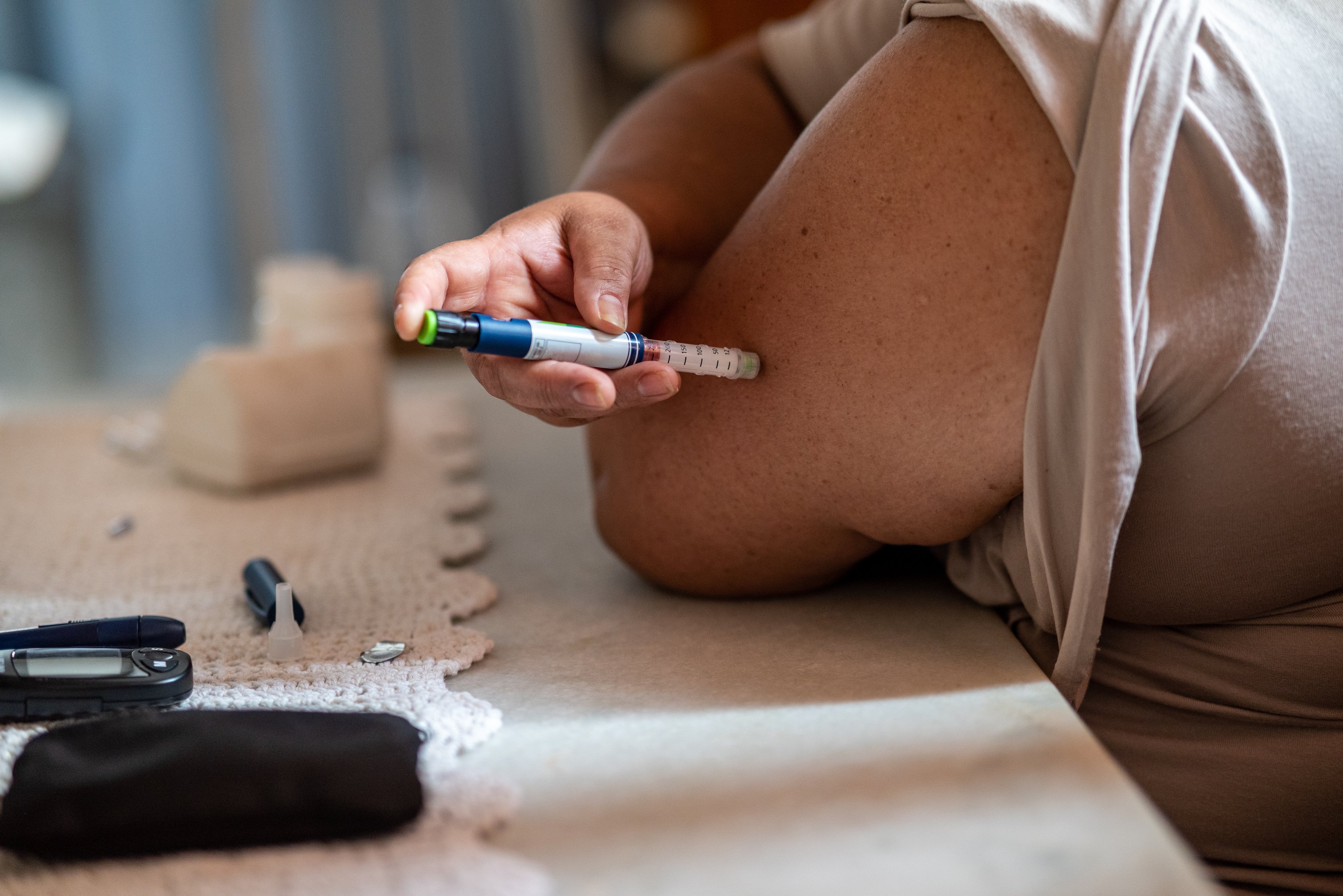
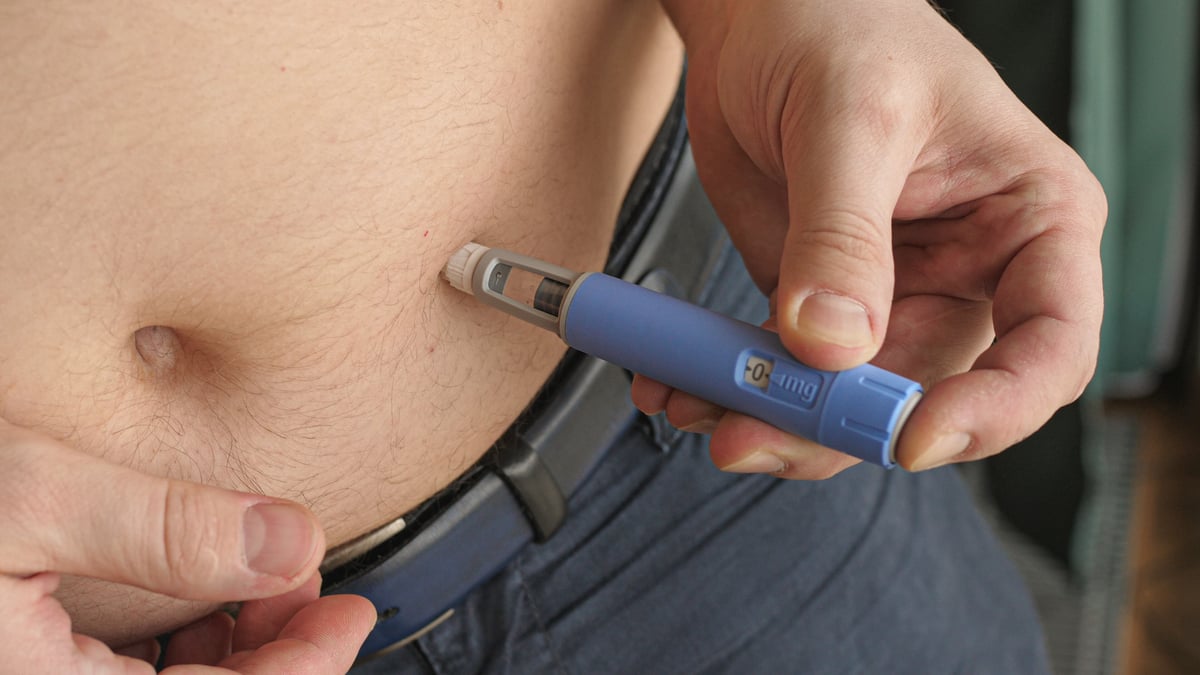
Eli Lilly (LLY 2.05%) has been a growth beast over the years, there's no denying that. And a big reason for its incredible performance has been due to its approved GLP-1 drugs -- Mounjaro (approved for diabetes) and Zepbound (approved for weight loss). These products have been generating billions in revenue for the company, and yet, they still have much more growth on the horizon.
At the same time, it could be a concerning issue for investors because so much of the company's revenue and growth prospects are tied up in just a couple of key assets. And with competition in the GLP-1 market intensifying, that could make the stock vulnerable, especially given the high premium it trades at today. Should investors be worried about Eli Lilly stock, and is now a time to sell it, or can it still be a good buy at its current levels?

Image source: Getty Images.
The company's fourth-quarter results were stellar, but much of the growth was due to its GLP-1 products
Last week, Eli Lilly posted its fourth-quarter results for 2025, and its growth remained impressive. Revenue for the last three months of the year totaled $19.3 billion, which was a 43% increase from the same period a year ago. Mounjaro grew by 110% and totaled $7.4 billion in sales, while Zepbound grew at a faster rate of 123% and its sales topped nearly $4.3 billion. Zepbound is the newer of the two drugs, and thus, its sales have been lighter, but its growth rate has been faster. It could end up being the company's top-selling drug in the not-too-distant future.
Together, the drugs brought in $11.7 billion in sales, making up more than 60% of the company's top line. It's an impressive feat, but it calls into question whether too much hinges on these products, especially as other healthcare companies spend billions on coming up with possible rival products in the future, which could take market share from Eli Lilly.

NYSE: LLY
Key Data Points
Is too much growth priced into Eli Lilly's stock?
Eli Lilly has a market cap of around $950 billion, making it the most valuable healthcare stock in the world. Not only has it been doing well, but investors have been paying a big premium for it as its price-to-earnings multiple of 46 is fairly high. That high of a price tag implies that investors are expecting much more growth from the business in the years to come.
There is some risk with Eli Lilly, but given that it's already become an early leader in a hot GLP-1 market, I think a premium valuation is warranted. The stock may be vulnerable to a decline in the short term if other competing GLP-1 products come to market. But if you're willing to hang on for the long term, I think this can still be an exceptional growth stock to hold in your portfolio.