Cameco (CCJ +1.02%) struggled for a decade after the Fukushima disaster of 2011. From 2011 to 2021, the Canadian uranium miner's revenue plummeted from $2.4 billion to $1.5 billion as more countries throttled or paused their nuclear expansion plans. Uranium's spot price plunged from a peak of $136 per pound in June 2007 to $18 per pound in November 2016, forcing Cameco and its peers to suspend their mining operations.
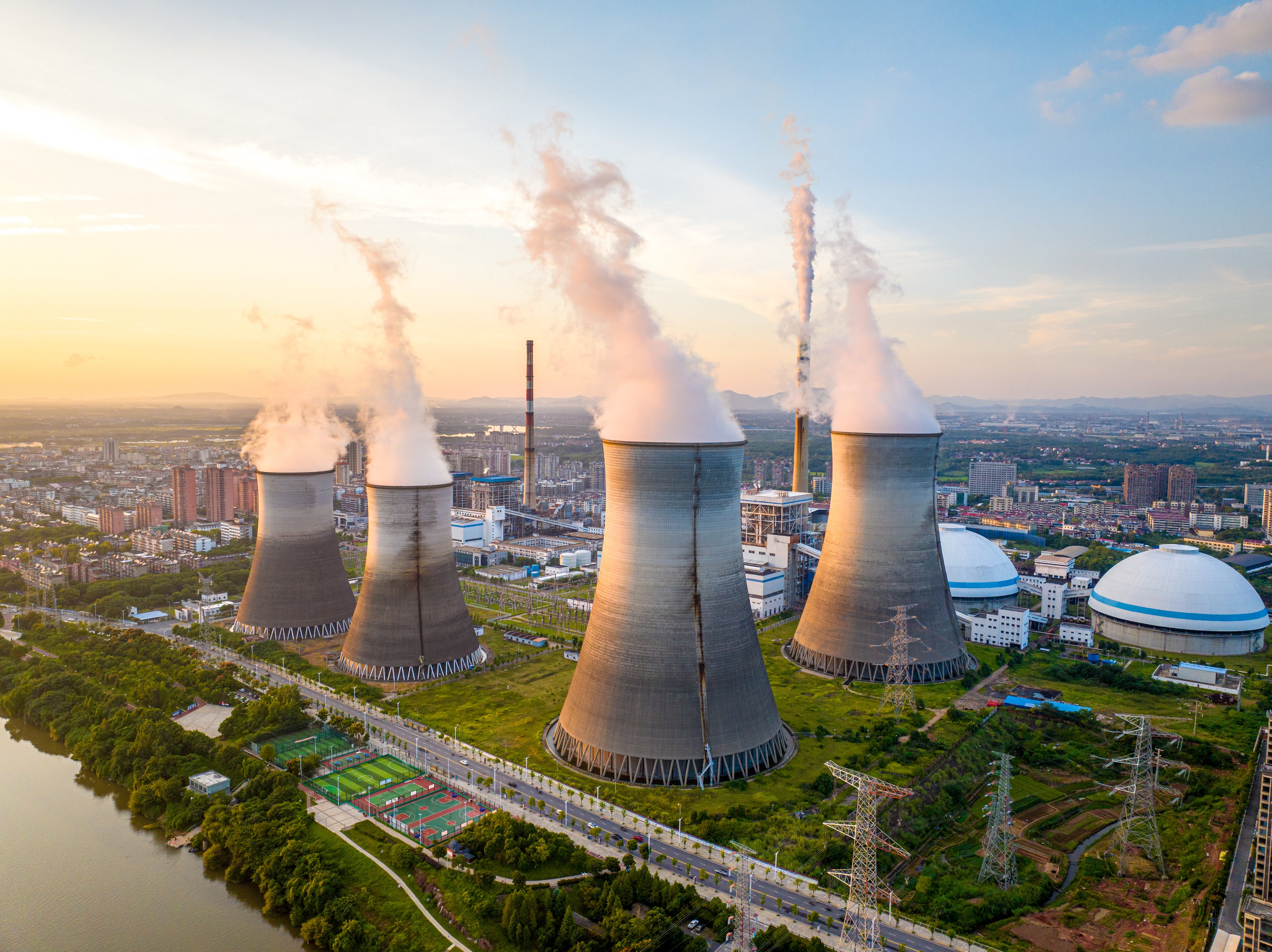
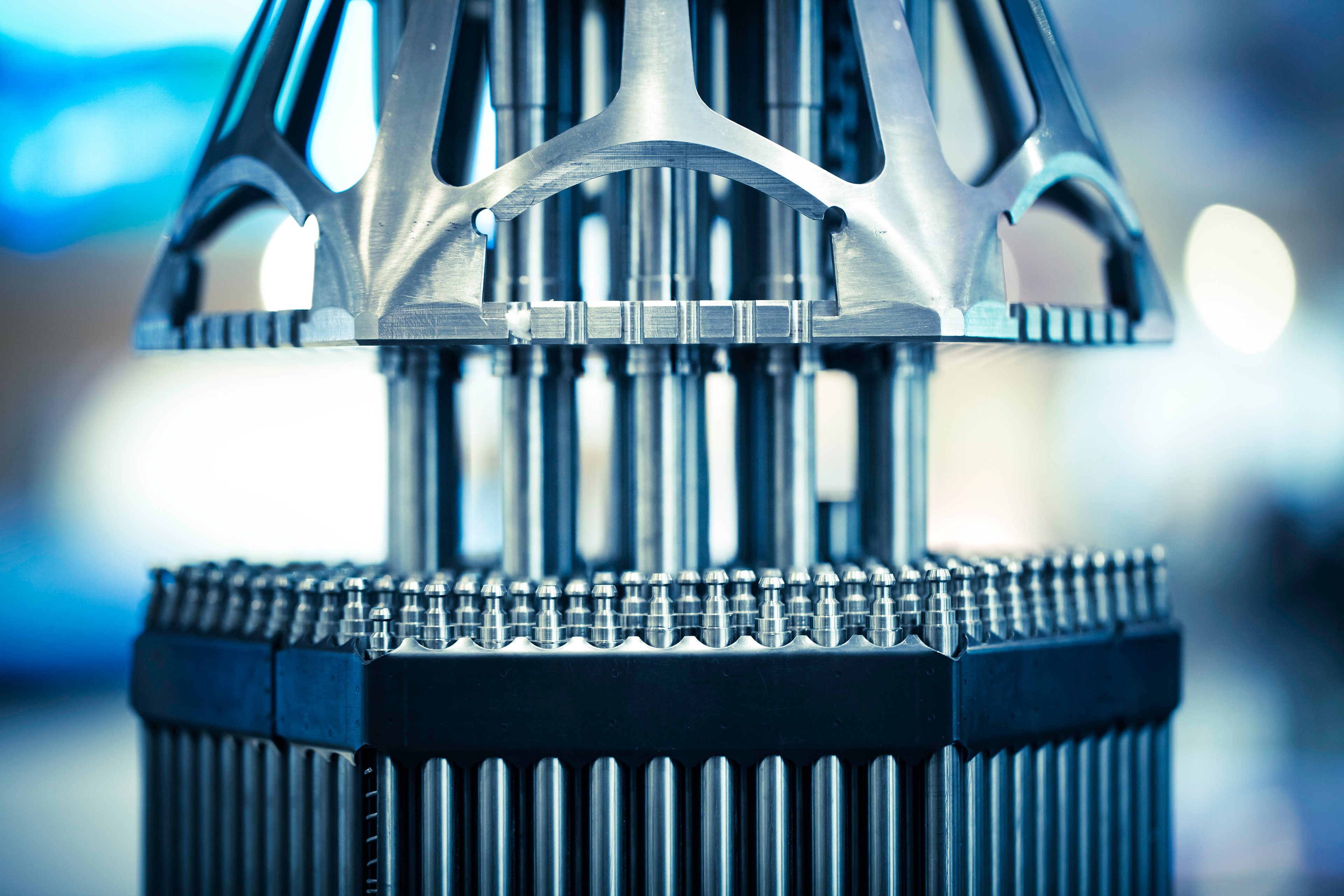
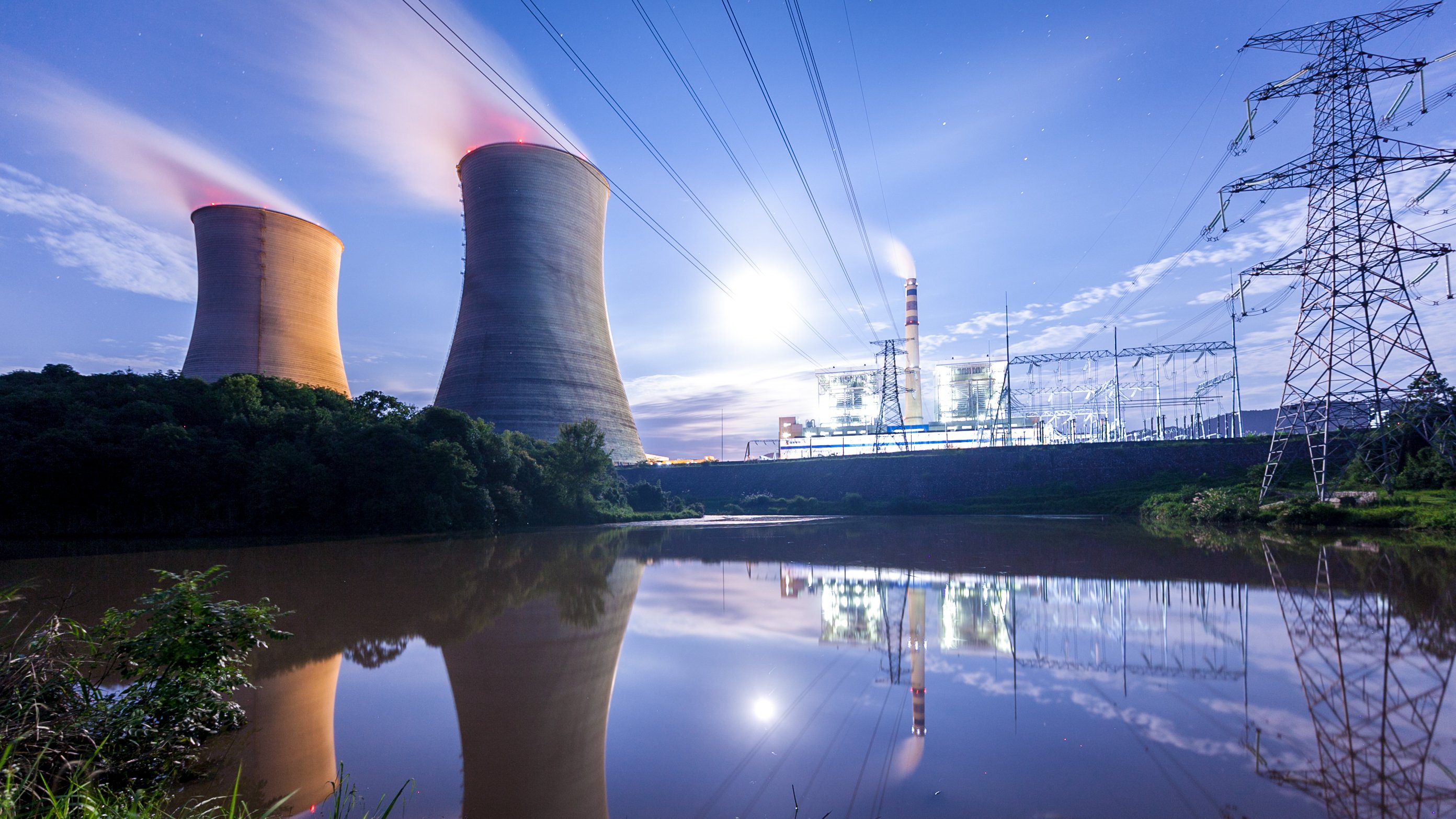
But over the past few years, the growth of the power-hungry cloud and AI markets, new decarbonization initiatives, and the development of safer, more sophisticated reactors have driven more countries to restart their nuclear projects.
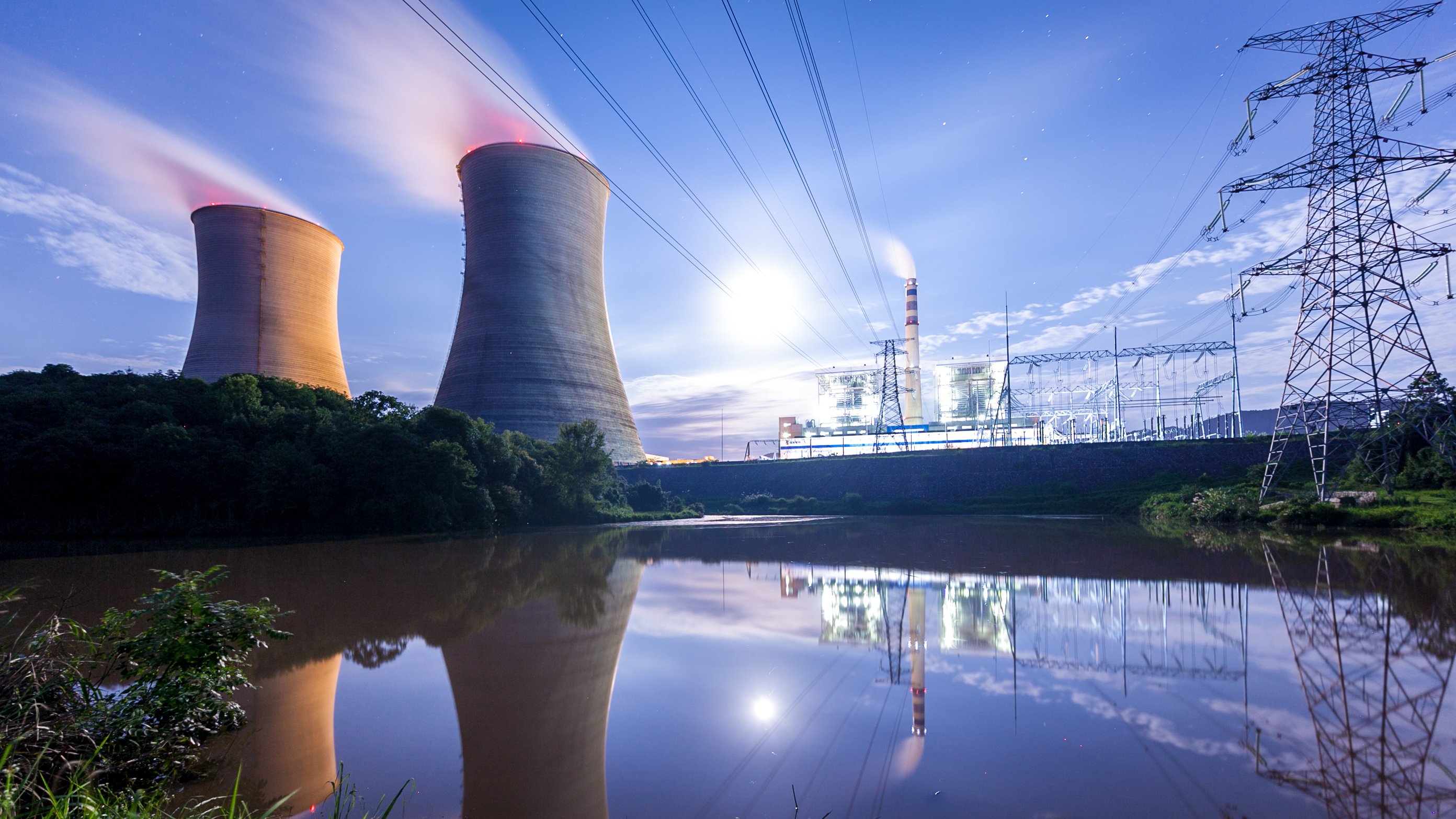
Image source: Getty Images.
As a result, uranium's spot price rebounded to approximately $94 as of this writing. From 2021 to 2024, Cameco's revenue doubled from $1.5 billion to $3.1 billion as it restarted its biggest mines. It mined roughly 17% of the world's uranium in 2024, making it the second largest uranium miner after Kazatomprom (NATK.Y 4.64%), Kazakhstan's national atomic company. After years of net losses, it turned profitable again in 2022, 2023, and 2024.
As those tailwinds kicked in, Cameco's stock surged more than 620% over the past five years. But will this nuclear "super cycle" drive its stock even higher over the next ten years?

NYSE: CCJ
Key Data Points
What could happen to Cameco over the next decade?
Over the next decade, Cameco will likely diversify its business away from the volatile uranium mining market and evolve into a more diversified nuclear energy company.
Cameco has already taken several significant steps toward achieving that long-term goal. Back in 2021, it increased its stake in Global Laser Enrichment (GLE) -- its uranium enrichment joint venture with Silex (SILXY 4.34%) -- from 24% to 49%. By integrating GLE's laser-based uranium enrichment capabilities into its core mining and conversion businesses, the company could eventually evolve into a "one-stop shop" for the sale of enriched uranium.
In 2023, Cameco partnered with Brookfield Asset Management (BAM 3.69%) to acquire Westinghouse Electric, a leading nuclear power plant designer and builder. That 49% stake in Westinghouse significantly increases its exposure to the atomic energy infrastructure market.
Cameco will likely acquire more companies over the next few years to accelerate that transformation. Meanwhile, the International Atomic Energy Agency (IAEA) expects the world's nuclear capacity to increase by 2.6 times from 2024 to 2050. That secular expansion should drive uranium prices higher, even as the major miners ramp up operations again.
Based on these facts, I believe Cameco's stock will rise over the next 10 years. It could face some near-term volatility as it struggles with a few production bottlenecks, but it remains one of the best plays on the nuclear energy sector's long-term growth.