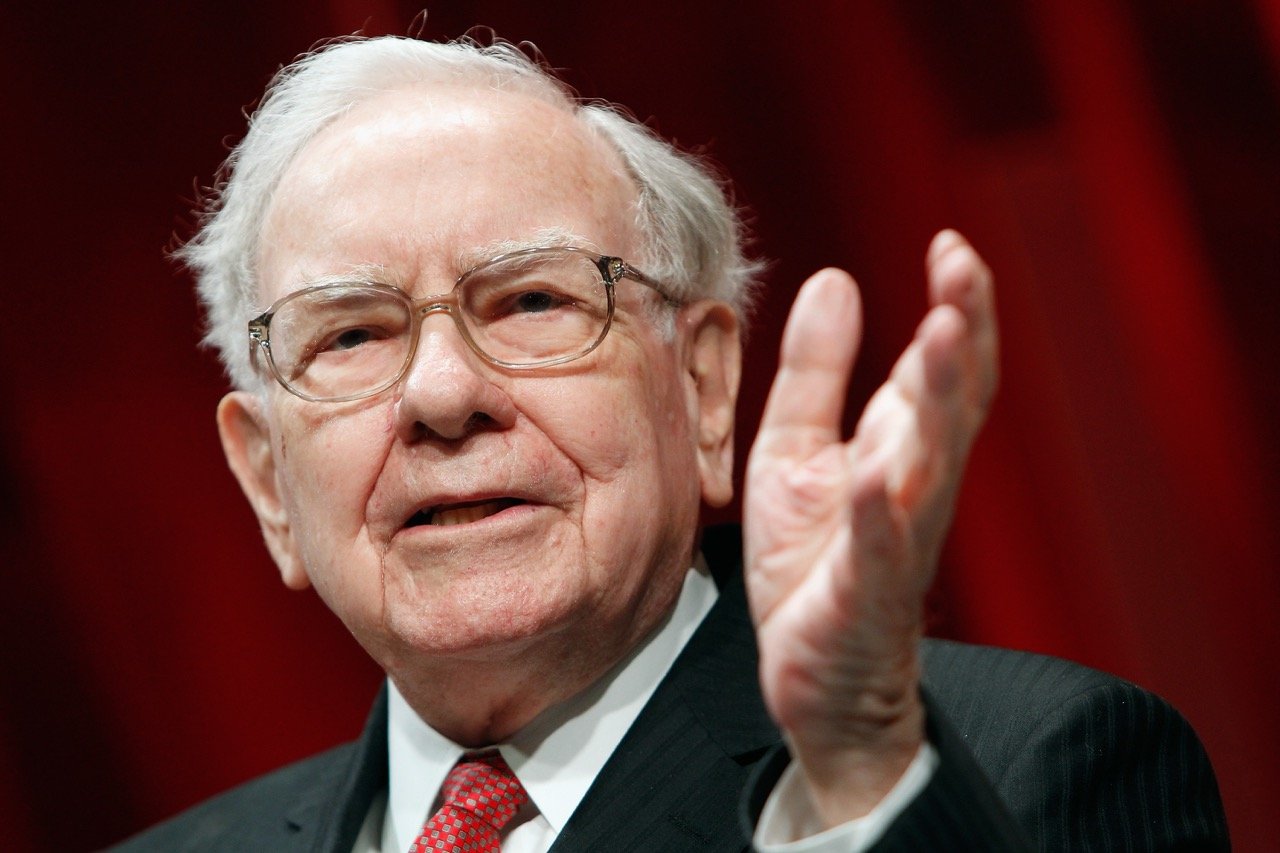
Warren Buffett is no longer the CEO of Berkshire Hathaway (BRKA +1.18%)(BRKB +1.11%). That makes Berkshire's last reporting period -- which reflects the company's full-year results from 2025 -- our last chance to see directly which stocks Buffett gave the green light to buy, and which stocks he approved for sale.
Last quarter, Berkshire's portfolio didn't change much. But there were some massive stock sales, as well as a few notable buys. In fact, one energy stock saw a sizable increase in weighting. Previously, Berkshire owned around 122 million shares of this global oil producer. But after an 8 million share purchase last quarter, this company now comprises 7.24% of Berkshire's entire portfolio.
If you take a closer look, it's no surprise why Buffett is so bullish on this well-known stock that has been in Berkshire's portfolio since 2020.
Image source: Getty Images.
Chevron stock offers compelling diversification benefits
The oil stock that Berkshire Hathaway added to last quarter is none other than Chevron (CVX +1.98%), one of the largest energy companies in the world. Buffett isn't new to energy investing. He has purchased stocks of other oil companies in the past with mixed success. But his bet on Chevron is one of the largest in Berkshire's history. And it's not hard to speculate why.

NYSE: BRKB
Key Data Points
Last year, Chevron achieved record levels of oil and gas production. This record production allowed the company to return $26 billion to shareholders in the form of dividends and share buybacks -- an 18% increase over the year prior.
But here's the thing: Chevron stock rose just 1.5% in 2025. And while the 3.8% dividend yield added to that total return, the stock's performance simply didn't match record production levels. Why? The simplest answer is low oil prices. Competitor ExxonMobil also achieved record production with minimal shareholder returns last year. That's because revenue and profits for both companies suffered under the weight of low selling prices. Crude oil prices fell by roughly 20% last year. And in comparison, a 1.5% return on the stock price appears rather impressive.
While Chevron shares have spiked so far in 2026, they remain well below their previous highs. That's largely due to oil prices remaining under $70 per barrel (although they have risen in the past week due to the Iran-related conflict in the Middle East). As recently as 2022, oil prices were above $100 per barrel. And the way energy economics works, even small increases in selling prices can produce outsize profits.

NYSE: CVX
Key Data Points
While there are many assumptions involved, Chevron currently estimates its break-even production price to be around $50 per barrel. At $70-per-barrel crude prices, the company makes a profit of $20 per barrel. But at $90-per-barrel pricing -- an increase of just 29% -- Chevron's profits per barrel double.
In short, Chevron's underlying business model appears to be running very strongly. It's just that oil prices -- something the company can't control on its own -- are masking many of the production and efficiency gains. While it's anyone's guess what will happen from here, rising geopolitical tensions could send oil prices even higher in the near future. The upside of Chevron shares is obvious in a rising price environment. Buffett and his replacements seem to be bullish on the odds of that scenario coming to fruition.