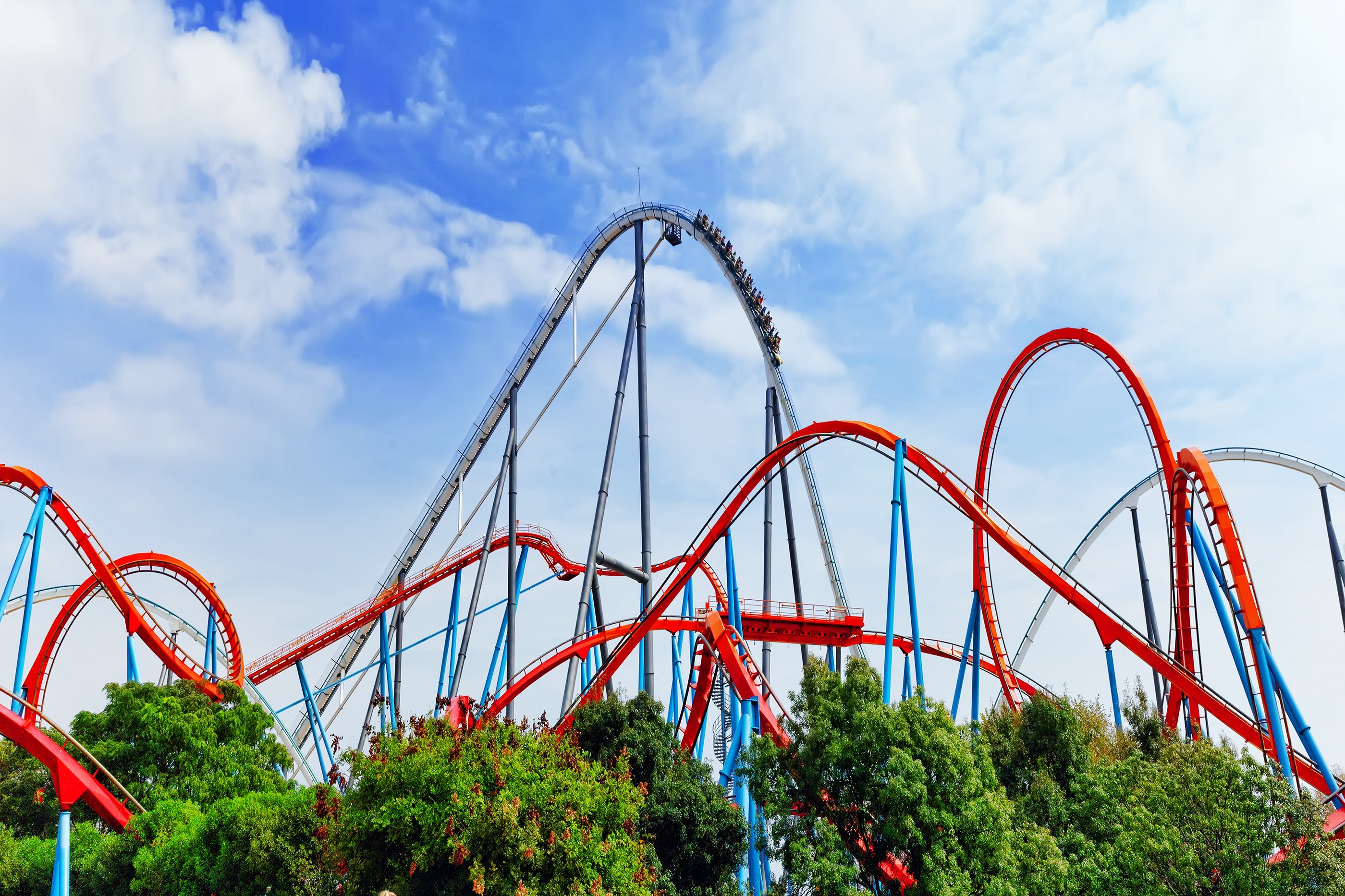
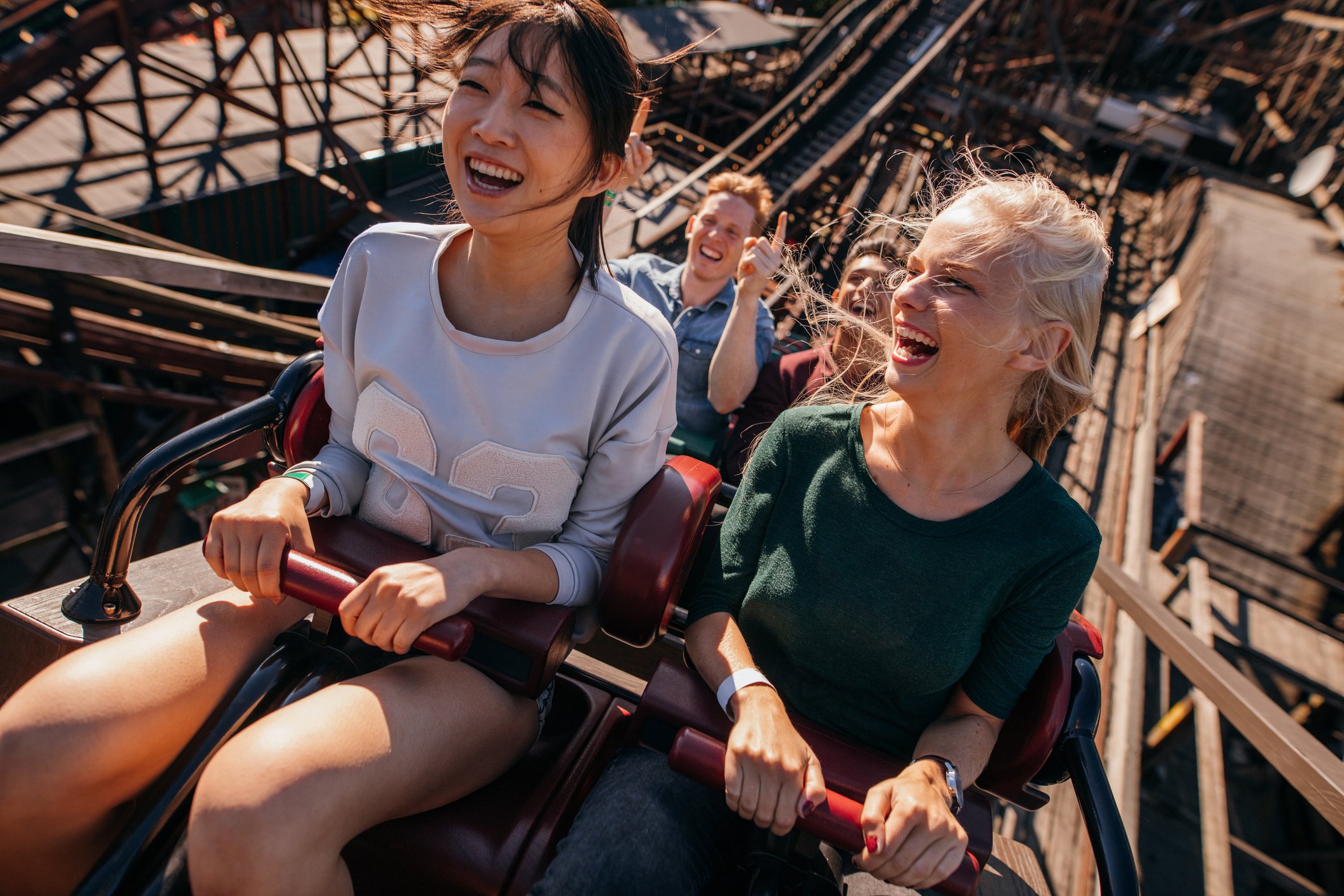
There will be fewer flags waving at Six Flags Entertainment (FUN +1.13%) this summer. The country's largest operator of regional amusement parks announced the sale of seven of its underperforming gated attractions on Thursday.
The divestiture itself isn't a surprise. It's been two months since trademark applications for Enchanted Parks -- conveniently tethered to locations where Six Flags has some of its less-visited destinations -- had amusement park enthusiasts bracing for another wave of downsizing. The real surprises in the deal are the buyer, the low price, and the market's reaction.
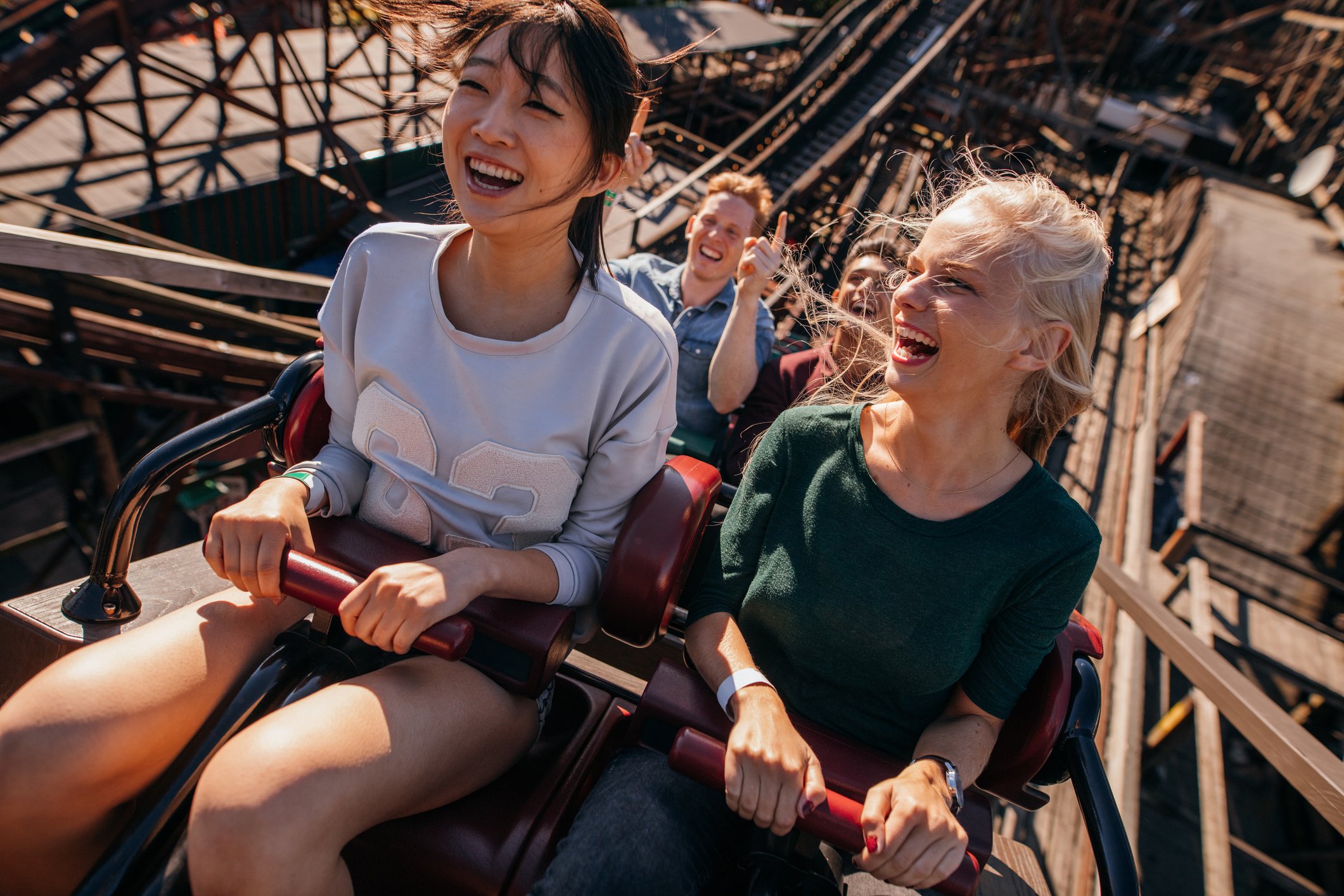
Image source: Getty Images.
EPR Properties (EPR 1.59%) will be picking up a half dozen Six Flags amusement parks along with one of its waterparks. EPR will pay $331 million for the properties in an all-cash deal. The market responded by bidding up shares of Six Flags, which rose 5% on an otherwise soft day of trading. EPR went the other way, sliding 4% on the news.
Your initial reaction may be that Six Flags fleeced EPR. History may very well bear that out, but dig deeper into the transaction, and perhaps it should've been EPR investors celebrating on Thursday. Buckle up. Let's go for a ride.

NYSE: FUN
Key Data Points
Sick flags
Things have not gone well since Six Flags and Cedar Fair joined forces in a deal that closed two summers ago. The combined company -- keeping the Six Flags name but Cedar Fair's "FUN" ticker symbol -- was supposed to create synergies and economies of scale. Fans hoped that Cedar Fair attractions would benefit from Six Flags' branding and intellectual property. Six Flags would improve its guest experience, mirroring the best of Cedar Fair park operations.
It didn't happen. Six Flags stock has shed more than two-thirds of its value, plunging 68% since the union became official. It was already paring back its fleet of scream machines. It closed Six Flags America in Maryland at the end of last year's operating season. It is set to give up California's Great America next year.
Let's talk about the deal that EPR is getting. The recreational and leisure real estate investment trust (REIT) is paying $331 million for a collection of parks that generated $260 million in revenue and adjusted earnings before interest, taxes, depreciation, and amortization (EBITDA) of $45 million for Six Flags last year. I'll get to the math, but Six Flags is selling these properties at a discount.
The sale translates into just 4.5% of Six Flags' enterprise value of $7.35 billion. The parks accounted for 9.5% of the 47.4 million turnstile clicks and 5.7% of the $792 million in adjusted EBITDA that Six Flags recorded last year. Six Flags is giving up a lot for little in return, but margins should improve as these underperforming venues are taken off its books. Focusing on its best parks should, in theory, make them better over time.
Change was coming anyway. Activists led by Jana Partners with a team of investors including Travis Kelce were already crashing the gates late last year. A new CEO came over three months ago.
REIT 'em and reap
EPR is an interesting winning bidder here. Most of its property portfolio consists of movie theaters and eat-and-play establishments, including driving ranges and arcades. It has a very limited presence in amusement parks and waterparks.
It's popular with income investors given its 6.2% dividend yield, but that might not jibe with owning an instant chain of theme parks. As a REIT, EPR is focused on maximizing revenue from its portfolio. I can't imagine that EPR will make dramatic investments to boost the profile of the parks that it's inheriting, especially when they're already the leftovers of a market laggard.
EPR got a good deal because there wasn't much of a pool of buyers for regional amusement parks in the current climate. The country's major theme park operators weren't going to dive into low-volume destinations. Herschend -- the one growing operator of attractions that probably would've put in the capital to improve the assets -- is still coming off an acquisition last year. Private equity firms have good reasons to steer clear of this hands-on market. It's telling how the investing community perceives the value of smaller gated attractions when EPR gets a deep discount on a deal and that shares still move lower.
In the end, both companies will likely be winners. Six Flags is losing what it perceived to be assets that were holding it back. EPR is making an accretive purchase that -- even in the worst-case scenario -- it can flip to an actual operator in a couple of years when demand heats up. Now it's just time to ride the ride out.